Untapped Power of Farming Drones Transforming Modern Farming | Calculate Drone ROI
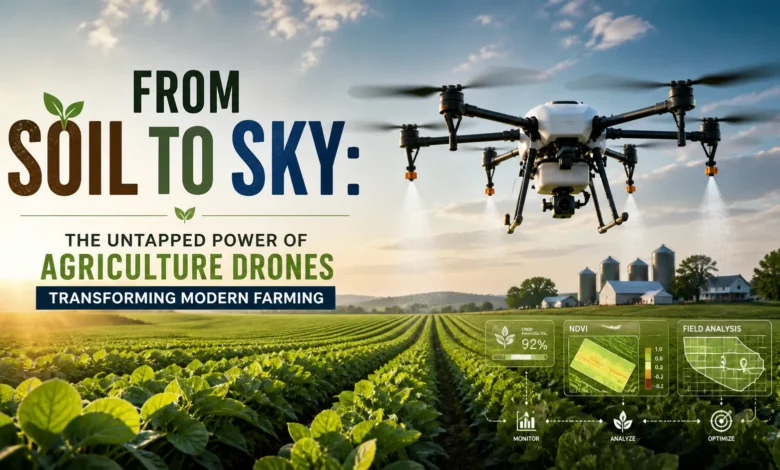
The development of agricultural practices has progressed through various technological advancements that started with manual ploughing and reached mechanized farming and precise irrigation systems. The agricultural industry has experienced its most significant development through the implementation of unmanned aerial systems transformed farming practices during the last several years. Farmers currently utilize farming drones for field monitoring and resource management while they respond to environmental changes. The technology serves as a fundamental element as the agricultural drone’s market develops, by enhancing both productivity and operational efficiency, as customers increase their work output.
Modern farming faces severe challenges due to climate change and increasing expenses for resources, and the requirement to produce more food from less agricultural space. Drones provide the agricultural industry with immediate information and practical solutions that used to be hard to access due to high costs and technological limitations. The use of technology is growing rapidly among both corporate farming operations and small farm businesses.
Evolution of Drone Technology in Agriculture
The implementation of drones for agricultural purposes developed through multiple stages that began with initial aviation technology advancements and progressed to current sensor technology and data analysis methods. Farming Drones started their existence as tools for non-agricultural sectors that required aerial photography and mapping tasks. Their capabilities have developed to include multispectral imaging, thermal sensing and GPS-enabled precision navigation systems.
The agricultural drones industry has expanded significantly as new technological developments enable farmers to implement predictive agricultural techniques that replace traditional methods of waiting until they observe crop damage. Aerial imaging technology now enables farmers to identify stress patterns before they cause visible damage to crops.
Leading agriculture drone platforms compared
Key specs for popular models as of 2025-2026 season:
| Model | Manufacturer | Primary use | Payload | Coverage/hr | Mapping | Spraying | Price tier |
|---|---|---|---|---|---|---|---|
| Agras T50 | DJI | Spraying + spreading | 50 kg | ~40 acres | ✓ | ✓ | Premium |
| Agras T10 | DJI | Small farms spraying | 10 kg | ~15 acres | ✗ | ✓ | Mid-range |
| Phantom 4 RTK | DJI | Precision mapping | — | ~247 acres | ✓ | ✗ | Mid-range |
| senseFly eBee X | AgEagle | Large-area mapping | — | ~500 acres | ✓ | ✗ | Premium |
| XAG P100 Pro | XAG | Spraying + fertilizing | 75 L tank | ~55 acres | ✓ | ✓ | Premium |
| Parrot Bluegrass+ | Parrot | Crop monitoring | — | ~75 acres | ✓ | ✗ | Entry-level |
Key Developments Include:
- The system operates through the combination of multispectral sensors that identify crop health by their capacity to detect non-visible light. The sensors enable farmers to identify hidden nutrient deficiencies, together with undetectable pest infestations, before these issues become visible.
- The system establishes reliable flight control through its automated systems that enable drones to execute pre-set flight paths. The system requires minimal operator input while it maintains uniform data gathering procedures throughout extensive agricultural land.
- The system achieves greater battery performance and payload capabilities that enable extended aerial operations. Drones can now execute missions that reach wider operational boundaries by enhancing their effectiveness on extensive agricultural properties.
Agriculture drone types at a glance
Four main categories used in modern farming — each suited to different farm sizes and tasks
| Drone type | Best for | Coverage / flight | Avg. cost (USD) | Battery life | Key limitation |
|---|---|---|---|---|---|
| Fixed-wing | Large-scale mapping | 500–2,000 acres | $10,000–$80,000 | 45–90 min | Needs runway / launch |
| Multi-rotor | Spraying, inspection | 5–50 acres | $3,000–$25,000 | 15–30 min | Short flight time |
| VTOL hybrid | Medium farms, mapping | 200–800 acres | $15,000–$60,000 | 60–120 min | High upfront cost |
| Single-rotor | Precision spraying | 20–80 acres | $20,000–$100,000 | 20–40 min | Complex to operate |
Applications of Farming Drones in Modern Farming
Drones are used in farming operations throughout all the various stages of agricultural work. The ability of this equipment to perform various functions makes it necessary for precise farming methods to be used by farmers throughout the globe.
Crop Monitoring and Health Assessment
Drones deliver high-resolution aerial images that enable farmers to track their crop development throughout the entire day. The system provides farmers with the ability to discover all problems that include pest infestations, water shortages and disease outbreaks at their initial stage. Crop monitoring stands as the most popular application within the agriculture drone market as it directly affects yield improvement.
- Soil and Field Analysis
Drones conduct soil assessments for their first field examination before they begin their planting work. The collected data enables accurate planning for both seed distribution and irrigation system design. Farmers who understand their soil variability can achieve better resource management while increasing their total farm output.
- Spraying and Input Application
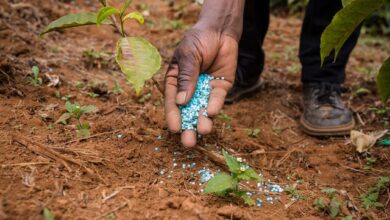
Drones that exist today use advanced spraying systems that enable them to apply fertilizers and pesticides in specific areas. The method produces two main benefits as it decreases chemical waste while it minimizes environmental destruction. The system enhances security by decreasing the risk of dangerous materials reaching human operators.
- Irrigation Management
The thermal imaging sensors detect dry areas in fields that need additional water supply through their thermal imaging capabilities. The system enables efficient water distribution, proves vital for areas that experience water shortages.
Also check out detailed article on Use of Drones in Agriculture
Sensor types by farming application
Matching the right sensor to the right job makes the biggest difference in data quality
| Application | Sensor needed | What it detects | Crop types | ROI potential |
|---|---|---|---|---|
| Crop health monitoring | Multispectral | NDVI, plant stress, chlorophyll | Wheat, corn, soy, rice | ★★★★★ |
| Irrigation management | Thermal | Soil moisture, heat stress | All row crops | ★★★★☆ |
| Precision spraying | RGB + AI | Weed location, canopy gaps | Vegetables, orchards | ★★★★★ |
| Field mapping / topography | LiDAR | Elevation, drainage patterns | All farm types | ★★★☆☆ |
| Crop counting / stand analysis | RGB high-res | Plant density, emergence | Corn, sunflower, cotton | ★★★★☆ |
| Disease & pest detection | Multispectral | Early blight, fungal markers | Grapes, potatoes, wheat | ★★★★★ |
| Livestock monitoring | Thermal | Animal location, body temp | Rangeland, pasture | ★★★☆☆ |
Benefits of Driving Adoption Across Farming Systems
Farmers increasingly adopt drones for their agricultural operations as drones provide economic benefits while delivering environmental benefits and improving the efficiency of farm work. The advantages of farming drones create market developments that will shape industry growth.
- Farmers achieve better results as they make decisions based on data analysis. Farmers use real-time field data to determine optimal input levels that lead to increased crop production and decreased agricultural losses.
- Farm management costs become more affordable through extended operations. Although high upfront costs exist, drones provide savings on labour expenses while they enhance fertilizer and pesticide application efficiency.
- Precision application methods create environmentally friendly practices as the agricultural activities use fewer chemicals, leading to greater soil health and less environmental pollution.
- Farmers gain the ability to combat crop threats more effectively through early detection systems. Farmers who detect problems early can implement solutions that decrease their overall risk exposure.
Check out How AI Is Transforming Agriculture and Food Production in 2026
Challenges Limiting Wider Adoption
Drones in agriculture face multiple challenges that prevent their full implementation despite their ability to grow agricultural operations. The barriers to development projects most severely affect areas that lack basic infrastructure and specialized technical abilities. The main obstacle that organizations face is the lack of clear regulations. Different countries establish their own airspace rules by creating obstacles for organizations to secure the necessary permits.
Regulatory snapshot — key markets
Requirements change frequently — always verify with local aviation authority before flying
| Country / Region | Regulator | Max weight (unrestricted) | License required? | Night flying? | BVLOS allowed? | Ag-specific rules? |
|---|---|---|---|---|---|---|
| 🇺🇸 USA | FAA Part 107 | 55 lbs | ✓ Remote pilot cert | ✓ Waiver | ✓ Waiver | ✗ |
| 🇪🇺 EU | EASA | 25 kg (Open cat.) | ✓ A2 cert for >900g | ✓ A1/A3 category | ✓ Specific cat. | ✗ |
| 🇨🇳 China | CAAC | 25 kg | ✓ CAAC license | ✓ Agricultural only | ✓ Agricultural zones | ✓ Ag drone category |
| 🇦🇺 Australia | CASA | 2 kg (excluded) | ✓ RePL for commercial | ✗ Approval needed | ✓ Approval needed | ✗ |
| 🇮🇳 India | DGCA | 2 kg (nano) | ✓ RPAS license | ✗ | ✗ | ✓ Kisan drone scheme |
| 🇧🇷 Brazil | ANAC / DECEA | 25 kg | ✓ ANAC cert | ✓ Authorization | ✓ ANAC approval | ✗ |
Another limitation is the need for skilled operators who can interpret drone data effectively. The collected data loses its benefits when training does not occur. High initial investment costs create an obstacle that small and medium-sized farms must overcome. The operational efficiency of systems depends on their maintenance needs and battery performance during different operational scenarios.
Agriculture Drones Industry Outlook and Industry Perspective
The agricultural drones market shows constant growth as farmers need precision farming systems. Farming Drones now have better operational functions as artificial intelligence and machine learning developments create new operational possibilities for the technology. Pristine Market Insights reports that sustainable farming methods and food security requirements drive organizations to implement drone-based agricultural solutions.
Drones will become more effective for farmers as they establish links between aerial technology and farm management software systems. The most effective adoption of agricultural practices occurs in areas where commercial farms use advanced technology and receive government funding for agricultural research and development. The developing agricultural systems show increasing equipment adoption as farmers now have better access to digital farming tools that demonstrate their value.
Cost vs. benefit by farm size
Estimated annual figures — actual results vary by crop, region, and drone model
| Farm size | Recommended setup | Yearly drone cost | Input savings | Yield gain (est.) | Payback period | Verdict |
|---|---|---|---|---|---|---|
| Under 50 acres | Drone-as-a-Service | $500–$2,000 | 5–10% | 3–6% | Year 1 | Rent, don’t buy |
| 50–250 acres | Entry multi-rotor | $3,000–$8,000 | 10–20% | 5–10% | 2–3 years | Good candidate |
| 250–1,000 acres | Multi-rotor + fixed-wing | $8,000–$20,000 | 15–25% | 8–14% | 2–4 years | Strong ROI |
| 1,000+ acres | Full fleet + software | $20,000–$80,000 | 20–35% | 10–18% | 3–5 years | Best ROI overall |
Future of Autonomous Farming Systems
The autonomous drone systems for large-scale agricultural operations require their drone fleets to operate without human assistance. The systems can manage extensive farming areas through their ability to work with reduced human supervision. The system establishes connections between satellite data and Internet of Things systems that operate on agricultural land. It enables improved resource planning through its forecasting capabilities. The creation of regulatory systems will permit drone operations to proceed safely while enabling their growth. The establishment of precise guidelines will promote adoption across various agricultural settings.
Farming Drone ROI Calculator
Agriculture drone ROI calculator
Adjust the sliders to estimate savings and payback period for your farm
Author Bio :
Teja Kurane is a research analyst specializing in healthcare and medical device markets. With a strong focus on emerging industry trends and data-driven insights, Teja analyzes developments shaping the global cardiac pacemaker market. Teja’s research highlights innovation, market dynamics, and growth opportunities influencing the future of advanced heart care technologies.