Nature’s Secret Signal: Agricultural Pheromones Transforming Modern Pest Management
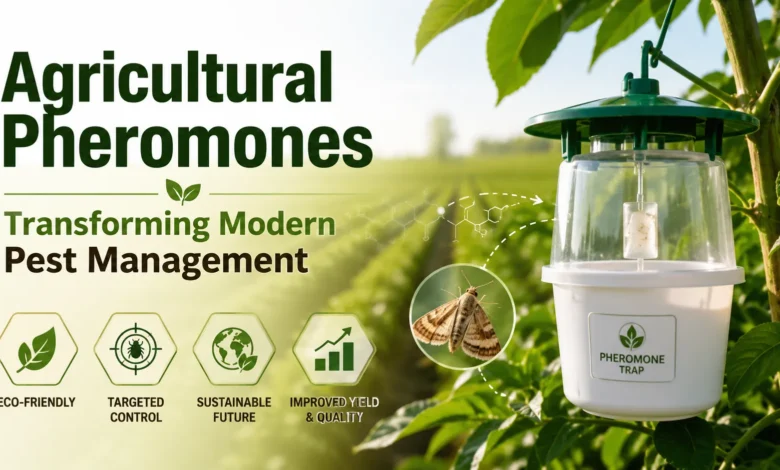
The invisible communication system that exists between plants and insects and their natural surroundings has always been essential to agricultural practices. Scientists have developed methods to duplicate these signals that now serve as successful pest control solutions that revolutionize agricultural practices. Agricultural pheromones that operate differently from traditional pesticides establish their effects through their capacity to modify insect behaviour. This shift from destruction to disruption marks a significant evolution in pest control philosophy, aligning agricultural practices more closely with ecological processes.
The Science Behind Nature’s Chemical Language
Pheromones are organic compounds that insects of the same species release into the environment to control their social interactions. The signals enable insects to establish mating connections that they use to detect threats and manage their collective movements through an advanced system of communication that people cannot see. Scientists who create these compounds through synthesis will achieve exceptional control over insect behaviour. Pheromones disrupt the natural life cycles of organisms, resulting in pest populations declining through time without the need for environmentally damaging pesticides.
From Observation to Application
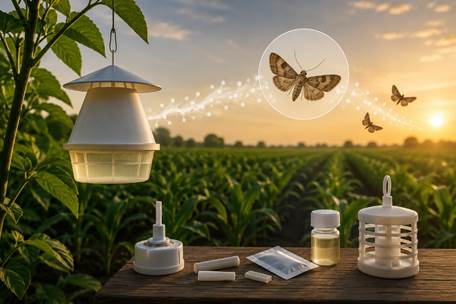
The process of discovering pheromones in laboratories has reached its endpoint through successful application in real-world environments. Early research focused on identifying chemical structures and understanding insect responses that laid the groundwork for practical agricultural use. Today, pheromone-based solutions are used across orchards and vegetable farms and plantation crops to show that operational success occurs through proper implementation of behavioural control methods that match the effectiveness of chemical treatments.
Disrupting the Pest Life Cycle
The application of agricultural pheromones for mating disruption purposes stands as the most common method of usage. The fielding of synthetic pheromones enables farmers to create an area that confuses male insects as they lose their ability to find female insects. The process leads to decreasing successful reproduction rates, resulting in a natural pest population decline. The method operates with a subtle approach that effectively eliminates infestation problems by addressing their main cause.
Targeted Control Without Ecological Harm
Pheromone-based pest control systems demonstrate their highest efficacy as they precisely target particular insect species. The formulations have been created to kill specific pests while protecting beneficial organisms that maintain essential ecological functions on the farm. The agricultural sector needs selectivity as biodiversity creates essential processes that sustain both soil fertility and pollination. Farmers achieve two goals when they focus control efforts on their harmful species as they protect their crops while preserving the natural systems that support agricultural production.
Types of Agricultural Pheromones
Diminishing Reliance on Synthetic Chemicals
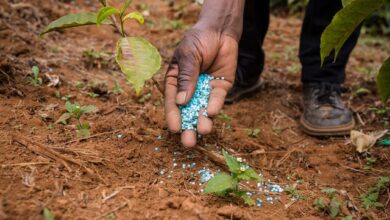
The current situation shows increased public worry about chemical pesticide overuse as it creates environmental pollution and insect resistance and poses health risks. Agricultural pheromones provide an effective solution that decreases the requirement for broad-spectrum chemical solutions. The biological tools that integrate into pest control systems help to decrease total pesticide consumption. The gradual transformation results in both safer food production systems and sustainable agricultural methods that reduce costs.
A Tool for Smarter Decision-Making
Pheromones function for insect population monitoring that extends beyond their use as pest management tools. The pheromone-based traps allow detection of pest insects that exist at extremely low population levels, and they provide an early warning system for potential infestation problems that will develop into critical situations. The data enables farmers to schedule their activities according to the most efficient operational times. Agricultural practices must now adopt data-driven methods as precision farming requires this approach to achieve better operational efficiency.
Challenges in Practical Implementation
Agricultural pheromones contain benefits, but they possess limitations. The effectiveness of their system depends on their ability to execute the system at the right time while understanding environmental conditions and needing to know how pests act. The training programs that provide farmers with the necessary equipment skills must be completed by most farmers who require this training for their job. The lack of proper knowledge will lead to results that fail to meet expectations, and this situation will hinder adoption in specific areas.
Economic Considerations
Farmers face financial difficulties as they have to pay for their essential expenditures. The first expenses of pheromone-based systems exceed those of standard pesticides as the system needs special dispensers and multiple treatment applications. However, the benefits of reduced chemical inputs and enhanced crop quality become economically justifiable through multiple growing seasons.
4 Main Application Methods
| Strategy | How It Works | Best Used For | Pesticide Use |
|---|---|---|---|
| Mating Disruption | Saturates the air with synthetic sex pheromone so males cannot locate females. Dispensers release pheromone continuously across the field. | Orchards, vineyards, cotton | None required |
| Lure & Kill | Combines a pheromone attractant with a small insecticide dose inside a trap. Only attracted insects are exposed — far less chemical use than broadcast spraying. | Vegetables, stored grain | Minimal (targeted) |
| Monitoring Traps | Non-lethal traps track pest population density and flight timing. Gives growers accurate data for spray timing decisions — can reduce unnecessary sprays by up to 50%. | IPM scouting, all crops | Data-driven timing |
| Mass Trapping | Dense trap networks aim to reduce the total pest population below the economic damage threshold. Works best in isolated or island ecosystems with limited reinfestation risk. | Bark beetles, forest pests | None required |
Expanding Role in Sustainable Agriculture
Agricultural pheromones are becoming essential components of comprehensive sustainable farming systems. The system provides complete pest control through its combination of biological control agents, crop rotation methods and resistant crop varieties. The standards for organic farming make their application more important for their use. This serves both regulatory needs and consumer interests, the latter being triggered by the desire for chemicals in residue-free produce.
Technological Innovations Enhancing Effectiveness
Researchers have created improved techniques for outdoor pheromone delivery and monitoring systems through their recent scientific breakthroughs. Controlled-release technologies enable pheromone emissions to occur at steady rates that can sustain their output during extended periods of active use, thus reducing the need for product applications. Digital tools now work together with pheromone traps to deliver real-time information about pest movements. The new technologies develop pheromone-based systems that improve operational efficiency while simplifying control for users who manage extensive systems.
Shifting Perspectives in Pest Management
The increasing interest in pheromone research demonstrates a fundamental transformation of contemporary pest control methods. Modern pest control methods treat pests as elements of an ecosystem that requires management through educated decision-making. According to Pristine Market Insights, this transition affects agricultural methods throughout the world as the agricultural pheromones market represents not just a category of products but a change in mindset toward more sustainable solutions.
Efficacy vs Conventional Pesticides
| Pest | Strategy | Efficacy | Resistance Risk | Food Residue | Harm to Beneficials |
|---|---|---|---|---|---|
| Codling moth | Mating disruption | 90–97% | ✓ None | ✓ None | ✓ Minimal |
| Pink bollworm | Mating disruption | 85–95% | ✓ None | ✓ None | ✓ Minimal |
| Tomato leafminer | Lure & kill | 70–85% | ✓ Very low | ⚠ Trace | ⚠ Low |
| European corn borer | Mating disruption | 75–90% | ✓ None | ✓ None | ✓ Minimal |
| Bark beetles | Mass trapping | 50–75% | ✓ None | ✓ None | ⚠ Moderate |
| Conventional pesticides | Broadcast spray | 70–95% | ✗ High | ✗ Significant | ✗ Severe |
Efficacy figures drawn from peer-reviewed field trials. Results vary by crop system, climate, pest pressure, and application method.
Future Pathways in Pheromone Use
Research efforts will expand pest control options since new pheromone technologies will become available for more pest species. Better product development, cheaper operational costs and improved usage techniques will provide more farming operations with access to these tools. Pest control solutions need to find a middle ground between increasing farm output and protecting environmental resources. Agricultural pheromones demonstrate an effective solution for achieving environmental balance through methods that cooperate with natural systems.
Sustainable Signals, Smarter Agriculture
Agricultural pheromones demonstrate that effective pest control requires less chemical usage than traditional methods. The system uses insect natural communication methods to create a sustainable farming solution that has existed for hundreds of years. The growing use of this technology changes how people view the connection between farming and environmental science. The system demonstrates that utilizing natural systems from the environment delivers effective and long-lasting solutions for current agricultural protection methods. Here is a table on limitations and their practical solutions for pheromones.
| Challenge | Why It Matters | Practical Solution |
|---|---|---|
| Higher upfront cost | Dispensers and monitoring equipment cost more than a single pesticide application. | Total season cost is often lower when fewer sprays are needed. Calculate cost per acre, not per application. |
| Reinfestation from neighbors | Mating disruption can fail if pests fly in from untreated nearby fields, replenishing the population. | Area-wide adoption programs, buffer zones, and regional coordination improve outcomes significantly. |
| Less effective at high density | When pest populations are very high, pheromones alone may not keep damage below the economic threshold. | Combine with other IPM tools — biological controls or targeted sprays — during peak infestation periods. |
| UV & heat degradation | Sunlight and temperature affect how quickly pheromone evaporates from dispensers, reducing effective coverage. | Microencapsulation and controlled-release formulations extend product life and stabilize release rates. |
| Species specificity | Each pheromone product targets only one species, which can be limiting when multiple pests threaten a crop. | Blended or stacked pheromone formulations allow multiple species to be managed with one dispenser network. |
| Requires monitoring skill | Interpreting trap counts and deciding when to act requires knowledge that not all growers have. | Digital smart traps with AI-assisted pest identification apps are now available, lowering the knowledge barrier. |
Author Bio :
Teja Kurane is a research analyst specializing in healthcare and medical device markets. With a strong focus on emerging industry trends and data-driven insights, Teja analyzes developments shaping the global cardiac pacemaker market. Teja’s research highlights innovation, market dynamics, and growth opportunities influencing the future of advanced heart care technologies.