Balcony Gardening for Beginners: Transform Your Small Space into a Green Oasis
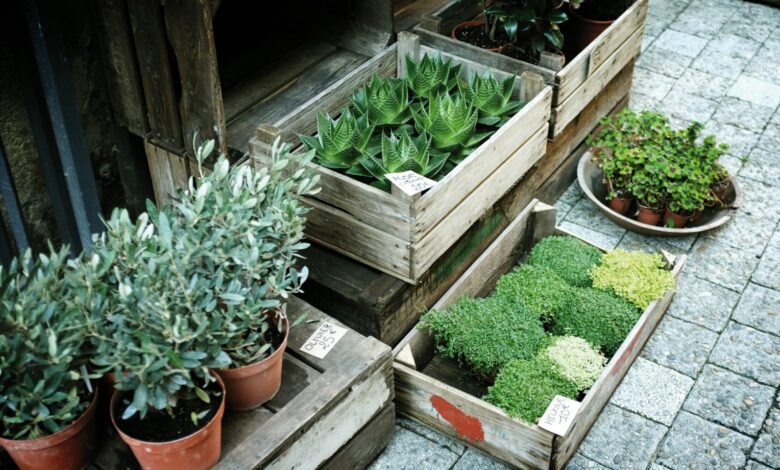
People who want to bring some greenery into their city spaces have quickly taken up balcony gardening as a hobby. Your balcony can become a beautiful garden, no matter if you live in a high-rise apartment, a townhouse, or a house with little outdoor space. Even if you’ve never gardened before, balcony gardening can be a fun and easy hobby to get into. This guide will show you how to make your own green oasis on your balcony, even if you have no experience at all.
What is balcony gardening?
Before we get into the practical side of balcony gardening, let’s take a moment to talk about why it’s such a good idea:
- Small space, big potential
You don’t need a big backyard to grow your own vegetables, herbs, and flowers. You can fit a lot of plants on a small balcony, even one that doesn’t have a lot of space. You can grow a lot of different plants in containers, hanging baskets, and wall-mounted planters if you use vertical gardening in a creative way. - Fresh Food Delivered to Your Door
You can enjoy fresh, organic food with no pesticides and less food waste if you grow your own herbs and vegetables on your balcony. Imagine being able to go outside and pick mint for your tea or ripe tomatoes for a salad right from your home. - Benefits for health and well-being
For a long time, gardening has been linked to better mental health, like less stress and a better mood. Taking care of plants, watching them grow, and spending time in nature can help you relax and give you a sense of accomplishment. - Effect on the environment
You help improve the air quality and promote biodiversity in your area by growing plants. Plants take in carbon dioxide and give off oxygen. This helps clean the air and make it better, especially in cities.
Step 1: Look at the space on your balcony
- The first thing you need to do to start gardening on your balcony is to get to know your space. Because every balcony is different, you should take the time to think about how your plants will do. This will help you pick the right plants and make a plan for how to arrange your garden.
- Things to think about: The size of your balcony How much space do you have? If you have a small balcony, you might need to use small plants, vertical gardening methods, or planters that hang on the wall. If you have a big balcony, you can use bigger pots, raised beds, and maybe even small trees.
- Sunlight: Keep an eye on how much sun your balcony gets during the day. Does it get full sun (more than 6 hours a day), partial sun (3 to 6 hours), or is it mostly in the shade? Sunlight is an important part of choosing plants. Plants that do well in full sun will have a hard time in the shade and vice versa.
- Wind Exposure: Are strong winds hitting your balcony? Some plants, especially bigger ones, might need extra help or protection from the weather. You can use windbreaks or put more fragile plants in safe places.
- Climate: Learn about the weather in your area and when plants grow. Will your plants have to deal with very cold winters or very hot summers? Choose plants that will thrive in your area’s weather, or buy pots that you can move inside when it gets cold.
Step 2: Picking the Right Plants
To make sure your balcony garden grows well, you need to pick the right plants. There are a lot of different things you can do with your balcony, from herb gardens to flower-filled havens.
Herbs are the best plants for beginners.
Growing herbs on a balcony garden is one of the easiest things to do. They don’t need much care, produce a lot, and make your food taste great. Some of the best herbs to plant are:
- Basil grows well in pots and is great for sunny balconies.
- Mint grows well in partial shade and is easy to care for. But mint can spread quickly, so make sure to plant it in a small area.
- Rosemary likes full sun and is great for dry weather.
- Chives, parsley, and thyme are all great herbs to grow in pots, so they’re perfect for small balconies.
Veggies
Not only is it fun to grow vegetables on a balcony, but it’s also very rewarding. Here are some great vegetables to grow in small spaces:
- Tomatoes: Look for small, compact types like “Tiny Tim” or “Balcony” tomatoes.
- Lettuce is great for container gardening because it grows quickly and can be picked many times.
- Kale and spinach: These leafy greens do well in cooler places with some sun.
- Radishes: These fast-growing vegetables are great for small spaces because they can grow well in small pots.
Flowers
Flowers make your balcony garden look better and more colorful. Pick types that work well with the weather and amount of sunlight they get. Some of the most popular are:
- Geraniums are bright, easy to grow, and look great in pots.
- Petunias do best in sunny places and come in many different colors.
- Marigolds are great for both full sun and partial sun. They also keep bugs away.
Cacti and Succulents
If you live in a hot, dry place or don’t have time to water your plants often, succulents and cacti are great choices. They don’t need much water and do best in the sun. Some good choices for beginners are:
- Aloe Vera is a tough plant that doesn’t need much water and does well in full sun.
- Echeveria: Pretty rosette-shaped succulents that don’t need much care.
- Jade Plant: A succulent that grows slowly and doesn’t need much water.
Vines and climbing plants
Climbing plants can help your garden reach new heights if you don’t have a lot of space but want to add plants and privacy. Here are some climbing plants that are easy to grow:
- Sweet Peas: These fast-growing vines have colorful flowers and smell good.
- Morning Glories: These flowers are great for trellises or fences because they have bright blooms.
- Clematis: A beautiful flowering vine that can make your balcony look more dramatic.
Step 3: Picking Out Planters and Containers
Picking the right containers is very important for the health of your plants. Here are some things to think about when choosing containers for your balcony garden:
- Size of the Container: Make sure your pots are big enough for the roots to grow comfortably. Small pots dry out quickly, so it’s best to use pots that are a little bigger so they can hold more water.
- Drainage: To keep roots from rotting, you need to make sure they can drain properly. To keep water from building up, look for pots with holes in the bottom or add rocks or gravel to the bottom of your pots.
- Material: Pots can be made of plastic, clay, ceramic, or metal, among other things. Ceramic and clay pots look nice, but they can be heavy and break easily in the cold. Plastic pots are lighter, last longer, and hold water better.
- Vertical Planters: If you don’t have much room, think about using hanging baskets, vertical planters, or shelves that are mounted on the wall. These let you grow more plants without taking up important floor space.
Step 4: Making a Plan for Your Garden
It’s time to plan the layout of your balcony garden now that you’ve picked out your plants and containers. This is how to do it:
Sunlight Zones: Put plants in groups based on how much sunlight they need. Put plants that like the sun (like tomatoes and basil) in the sunniest spots and plants that can handle shade (like mint and lettuce) in the shadiest spots.
Use Vertical Space: Use trellises, shelves, and hanging baskets to make the most of vertical space. You can train climbing plants to grow up, and you can put small pots of flowers or herbs on shelves or railing planters.
Mix and Match: To make things more interesting, mix plants with different heights, textures, and colors. Put the taller plants in the back and the shorter ones in the front. You can make your space more personal by adding decorative things like fairy lights, candles, or small statues.
Step 5: How to Take Care of Your Balcony Garden
- Watering: Plants in containers tend to dry out faster than plants in the ground. Check the soil’s moisture level often, and water it when it feels dry to the touch. It is better to water less often and more deeply than to water every day.
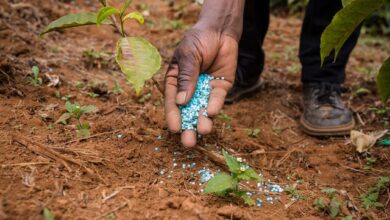
- Fertilizing: Plants in containers need to be fed often because the nutrients in the soil don’t last long. To make sure your plants grow well, use a balanced fertilizer. You can also add organic things like compost or worm castings to get more nutrients.
- Pruning and Deadheading: Cut back your plants on a regular basis to get rid of dead leaves, spent flowers, and too much growth. Deadheading flowers makes the plant bloom again and stops it from using energy to make seeds.
- Pest Control: Pests are a common problem in gardens, but they are even worse in small ones. Neem oil and insecticidal soap are two examples of organic pesticides that can help with pests. By planting flowers that keep bugs away, like marigolds and lavender, you can also draw in good bugs like ladybugs.
In conclusion, begin your balcony garden today!
Balcony gardening is a fun and easy hobby that anyone can do, no matter how much space they have or how much experience they have. With some planning, the right plants, and regular care, you’ll soon have a beautiful, healthy garden right outside your door. There are endless things you can grow, like herbs for cooking, flowers for beauty, or vegetables for sustainability.
So, get your pots, seeds, and gardening gloves ready and get to work today. Your balcony garden is ready!