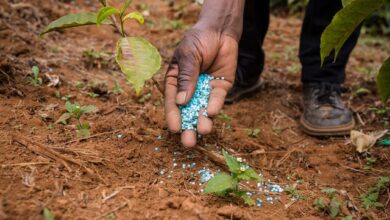
Family Gardening: Teaching Kids Responsibility Through Nature

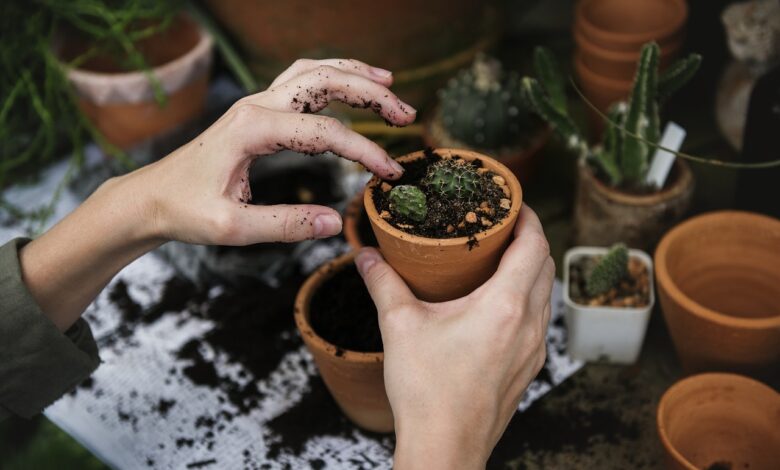
If you’ve ever handed a watering can to a child, you know what happens. Either the poor plant drowns under a waterfall, or not a single drop reaches the soil because they were too fascinated by making puddles on the tiles. And you know what? That’s okay. Because family gardening isn’t about raising prize-winning tomatoes — it’s about raising kids who understand what it means to care for something.
As parents, we’re constantly looking for ways to teach our children responsibility without sounding like we’re giving a lecture. Gardening has this sneaky way of teaching kids life’s big lessons without them even realising it. To them, it’s just fun — digging holes, getting mud crammed under their nails, squealing when a worm suddenly pops up. Amid all the mud and giggles, something bigger is quietly happening. They are developing empathy (their tiny hearts truly drop when a plant starts to wilt), discipline (watering a plant even when they would rather be watching cartoons), and patience (since, let us face it, seeds do not sprout up overnight).
And if you’re imagining some neat, Pinterest-worthy garden setup… don’t. Real gardening with kids is messy, noisy, and beautifully imperfect. In reality, it’s muddy fingers, soil scattered everywhere, and a whole lot of giggles — the kind of beautiful chaos that makes the memories stick. And here’s the best part: you don’t need acres of land. A few pots on the balcony or a little patch by the front steps is more than enough to turn it into a family adventure.
Why Gardening Matters in Today’s Busy Families
Life today is… fast. Too fast sometimes. With school runs, homework battles, and the constant tug-of-war over screen time, it’s no surprise kids lose touch with the natural world. Some even believe milk comes from a carton and carrots magically show up on the supermarket shelf — all polished and perfect.
That’s where gardening can change the game. You don’t need a big backyard — even a few pots lined up on a balcony can do the trick. The magic is in showing kids that food doesn’t just “show up” — it grows. They get to see the soil, the slow sprout, the little leaves pushing through. And while they’re learning how tomatoes actually happen, something else is happening too: they’re getting grounded. Not just with their hands in the dirt, but emotionally, in a way that no app or TV show can offer. Watching a seed sprout is a miracle — and miracles have a way of slowing down restless little minds.
And for us parents? Gardening is a breather. It’s one of those rare activities where kids are entertained, learning something valuable, and not begging for a cartoon.
The Magic of Responsibility (Without Nagging)
Here’s the tricky thing about teaching responsibility: kids often don’t want to be “taught.” Tell them to clean their room, and you’ll get groans. Ask them to feed the dog, and they’ll try to negotiate five more minutes of play. But give a child a tiny pot with a marigold seedling and say, “This one’s yours. Only you can take care of it,” and watch what happens. Suddenly, it’s no longer just a plant — it’s their plant. As soon as they wake up, they rush to check if their plant has grown at all. Tiny fingers probe the ground to see whether it is thirsty, and occasionally you may hear them whispering to it as if it were their buddy.
One parent I know joked that her son, who could never remember where he left his shoes, somehow remembered to water his sunflower every single evening. That’s the magic — when responsibility feels like pride instead of a chore.
Life Lessons Hidden in Soil
So, what exactly do kids learn when we let them dig, plant, and water? More than you’d expect:
- Patience – Seeds don’t sprout in a day. Kids learn that good things take time.
- Consistency – Forgetting to water one day can wilt a plant. They see the results of neglect firsthand.
- Empathy – Caring for a living thing (even a tiny basil plant) sparks kindness.
- Problem-Solving – Pests show up, leaves turn yellow, sometimes a plant doesn’t make it. They learn resilience.
- Teamwork – Sharing the watering can, deciding who plants which seed, or dividing weeding duties teaches cooperation.
These are the same values we try to instill at home anyway — gardening just makes them stick in a way lectures never will.
The Funny (and Messy) Side of Gardening with Kids
Let’s be real: gardening with kids isn’t a serene Instagram-worthy moment. It’s usually chaos.
There was this one time my niece decided her pot needed extra love and poured half a bottle of rose water into it. Needless to say, the poor mint plant didn’t survive the spa treatment. Another friend’s toddler proudly “weeded” by pulling out every single sprout — including the ones they had planted a week earlier.
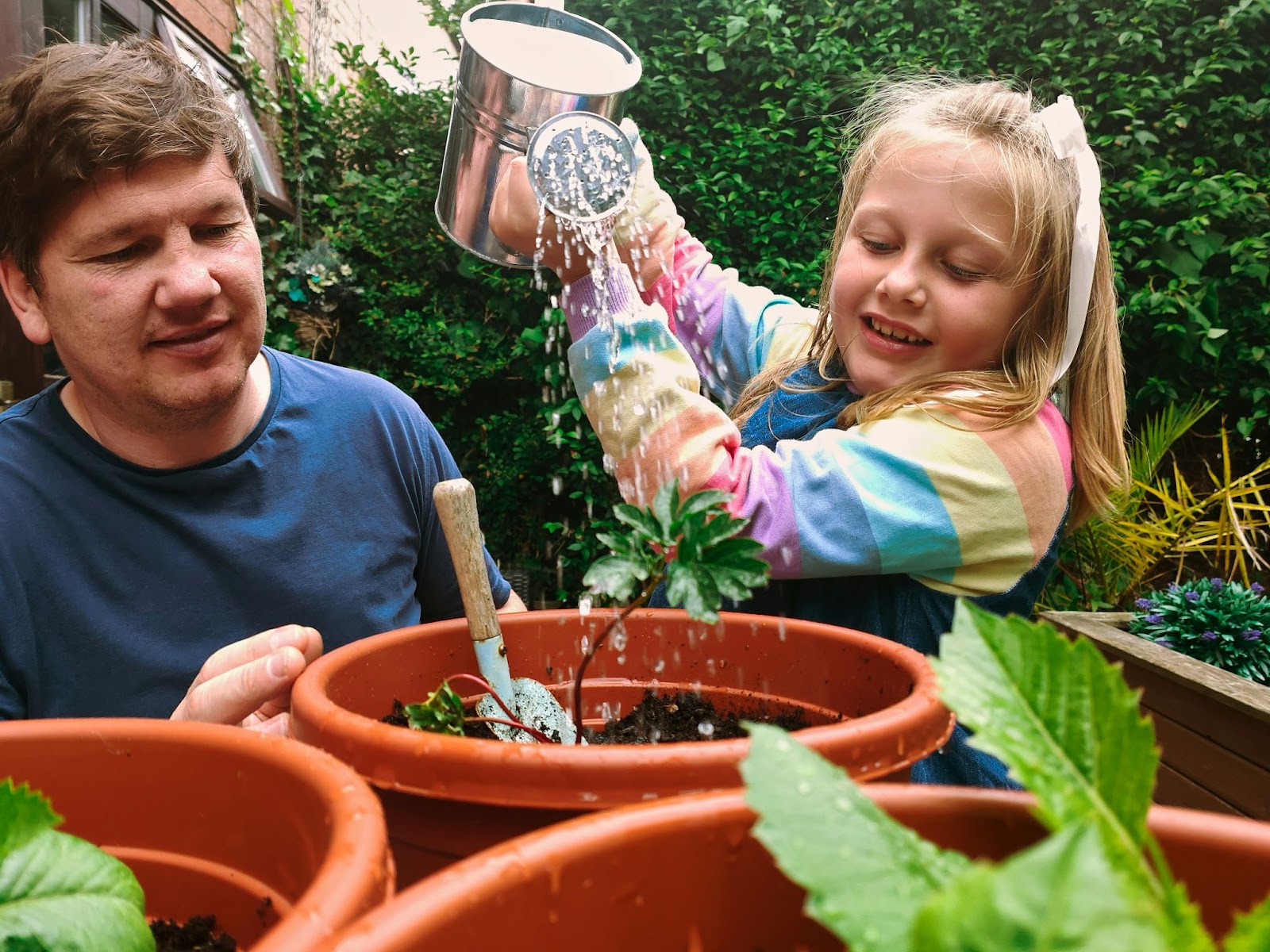
Source: Unsplash
But here’s the beauty of these fails: kids remember them. They laugh, they learn, and next time, they’re more careful. Responsibility doesn’t grow overnight — it grows through muddy mistakes.
Gardening as Emotional Growth
It’s not just about responsibility in the practical sense. Gardening isn’t just about flowers or veggies — it’s about the heart, too. Watching a child drop a tiny seed into the soil and wait for that first little sprout is pure hope in action.
Then comes the moment they notice a plant drooping, dash over to give it some water, and watch it bounce back — a quiet lesson in perseverance they’ll remember for a long time. Indeed, sometimes a plant simply does not survive despite all of their efforts. It hurts, of course. But we learn a crucial lesson from that small setback: things don’t always work out the way we want them to. For sensitive children, those quiet garden moments can lead to organic discussions about development, change, and resilience – teachings that no lecture could ever impart.
At Caring Aai, we often remind parents that emotional lessons don’t always come from books — many come from simple, everyday experiences like tending a plant together.
How to Get Started (Even If You’ve Never Gardened Before)
The beauty of family gardening is that you don’t need a sprawling backyard or expert green thumbs. Start small:
- Choose Kid-Friendly Plants – Sunflowers shoot up tall, beans climb fast, cherry tomatoes are fun to snack on, and herbs like basil or mint smell amazing — perfect for kids to start with. They grow fast and keep kids motivated.
- Give Each Child Their “Own” Plant – Ownership is key. Let them pick seeds or decorate their pots.
- Create a Routine – Maybe watering happens right after breakfast, or checking the garden becomes the evening ritual.
- Celebrate Progress – Tiny sprout? Take a photo. First tomato? Have a mini family “harvest party.”
- Don’t Aim for Perfection – Gardens (and kids) thrive with love, not pressure.
If you live in an apartment, don’t worry. A sunny windowsill, a few hanging planters, or even a vertical garden setup can work wonders. And if space is really tight, community gardens are fantastic — plus, they bring a social element where kids see other families working together.
Turning Gardening into Family Traditions
One of my favorite parts of gardening is how it becomes a family ritual — like planting tulips in spring or picking veggies for Sunday dinner. Growing basil each summer for homemade pesto. Watching the same patch of marigolds bloom year after year during festivals.
Kids thrive on little rituals — they give life a sense of comfort and magic. When your child beams and says, “We always plant sunflowers in March,” you realise gardening isn’t just about plants. It’s about building traditions and weaving another special memory into your family story.
Seasonal Ideas for Family Gardening
Want to make gardening a year-round adventure with your kids? Try turning it into little seasonal rituals:
- Spring: Just give them a handful of wildflower seeds to toss around. Watching all those mystery colors bloom is pure magic.
- Summer: Try growing quick little snacks like cucumbers or cherry tomatoes — there’s something magical about popping them straight off the plant!
- Monsoon: Just put a bucket outside and let it collect the rainwater. Kids love seeing how the sky itself helps care for the garden.
- Autumn: Press colourful leaves into scrapbooks while planting winter herbs.
- Winter: Start indoor herb gardens or sprout beans in jars — kids love seeing roots grow through glass.
Every season brings a fresh excuse to get your hands dirty together.
Gardening Without a Garden
Not everyone has space for a backyard jungle, but that doesn’t mean your kids should miss out. Some ideas:
- Balcony Pots – Great for herbs, flowers, even small tomatoes.
- Windowsill Jars – Try sprouting beans or coriander.
- DIY Terrariums – A clear jar, some soil, moss, and tiny plants — kids love creating their own little ecosystems.
- Community Gardens – Fantastic if you want to connect responsibility with teamwork and social values.
It doesn’t matter if you’ve got a big backyard or just a couple of pots on the balcony — what really counts is letting kids feel like, “This is mine.” That little sense of ownership is what sparks the real connection.
When Plants Fail (And Why That’s Okay)
Here’s the truth: not every plant will survive. And that’s a lesson in itself.
When my son’s bean plant withered after a week of overwatering, he was devastated. But it gave us the chance to talk about mistakes — how sometimes, we learn by trying again. He made another attempt, using his hands a bit more gently this time. And his joy was priceless when that little green shoot at last broke through the ground. These kinds of situations serve as the ideal reminder that a little perseverance can transform a minor setback into a valuable lesson in perseverance.
How a Garden Teaches Kids to Be Responsible
When families garden together, it’s never really about having the prettiest flowers or the tallest sunflowers. It’s about teaching kids that responsibility is more than a chore list — it’s love, care, and consistency.
And honestly? It’s about the memories too. The muddy hands, the giggles over watering-can splashes, the excitement of spotting that very first tomato — these are the memories that stick with kids far longer than we realise.
As parents, we’re often looking for big lessons in big places, but sometimes the best lessons in kindness, patience, and resilience are waiting just outside, in a handful of soil. At Caring Aai, we truly believe that family traditions like gardening can shape not just responsible kids, but also stronger family bonds.
So go ahead — grab a packet of seeds, roll up your sleeves, and let the garden become your classroom. Your kids (and maybe even your plants) will thank you.