How to Grow and Identify Native Wildflowers

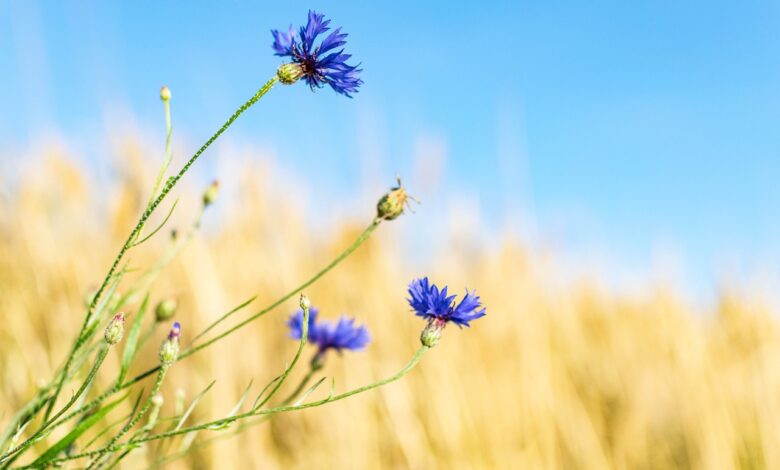
Native wildflowers are eye-catching gems in any garden but they’re clearly more than that. These plants, which are more resilient to local conditions, bring in the local wildlife and that boost of activity helps the rest of your garden grow tough. Visually sparkling, low-maintenance, and fosters biodiversity-what’s not to like?
Whether you’re restoring a patch of native habitat or just adding a new source of attraction, it’s been established in the gardening world how native wildflowers are a major boost for the overall beauty and resilience of your outdoor space.
Here’s everything to know about identifying, as well as growing these natural beauties.
Why Native Wildflowers?
Growing native wildflowers can be more worthwhile (and exciting) if you truly understand how special they are, hence, the following quick points:
- Low Maintenance: Native plant species don’t ask for much—only a little water, fertilizer, and pesticides. The less time and resources spent, obviously the better. Also, using less chemical pesticides and fertilizers are wonderful for the environment.
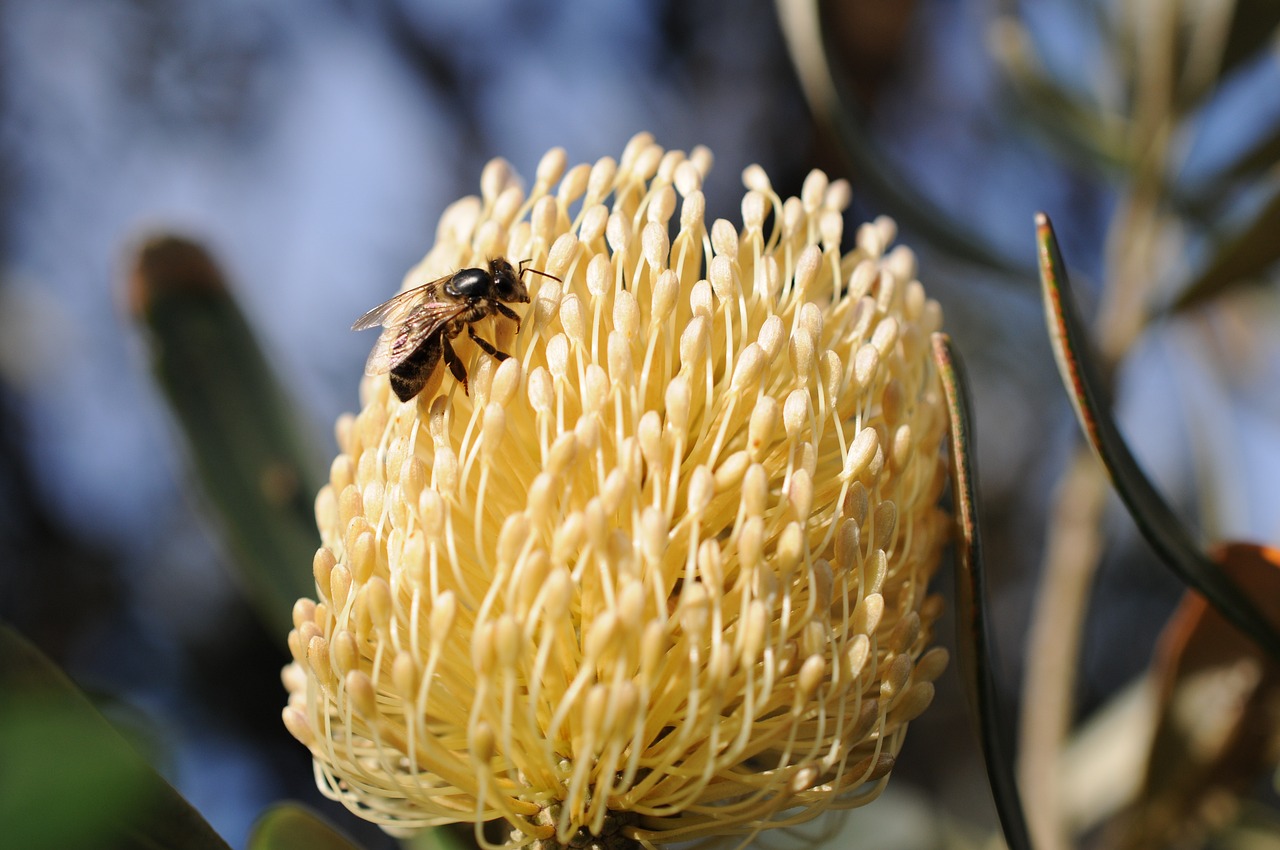
- Wildlife: Birds, insects, and other wildlife rely on native flowers for food and shelter, justifying their importance on a “grand scheme of things” level. Without native plants, your garden’s ecosystem may not be as fully functional as you’d hope.
- Biodiversity: Native plant species keep your garden’s integrity balanced by stopping invasive plants from taking over. Think of them as superheroes well-equipped to handle aggressive plant species with a penchant for ‘domination’.
- Aesthetic Charm: It’s already a given but just to reiterate, native wildflowers provide multitudes of colors, textures, and shapes, adding beauty and visual interest to your garden.
- Erosion Management: The ones with deep root systems are even more reliable for stabilizing soil, preventing erosion. This is particularly helpful on slopes or in soil degradation-prone areas.
Learn About Your Region’s Native Wildflowers
“The extent of knowing is dependent on the extent of naming,” so research about your region’s native wild flowers. Not sure how to start? You might find these helpful:
Ecoregion
Because native plants vary by region, it helps to understand your local environment. It’ll save you time and effort if you have an idea of what can and can’t grow in your space.
Identifying Wildflowers
There are two ways to identify wildflowers:
- Site consultations: Plant nurseries in your area offer site consultations that include native plants identification. During the inspection, existing native plants in your yard will be identified. Identification is just easier and, more importantly, accurate when experts see plants in their natural environment. Recommendations and strategies on how to better protect and foster a better ecosystem on your property will also be discussed.
- Identifying them on your own: If you’re dedicated enough, you can opt to identify them on your own, but that takes sufficient knowledge and skills. But don’t let this discourage you from trying: First, familiarize yourself with basic plant parts and characteristics. Second, learn about common plant families in your region. Third, use plant identifier tools to help with your self-learning native plant identification journey.
Helpful Tools:
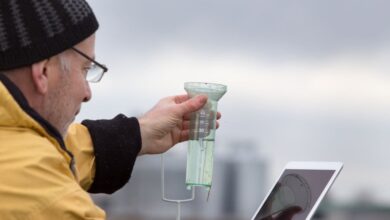
As mentioned, there are apps you can use to help ID plants. These can be used as a general reference, not as your sole source. Accuracy matters so it’s still recommended to cross-reference with other reliable sources.
- Local and regional field guides
- Some commonly used apps include iNaturalist, Seek, or PlantNet
- Take photographs and notes to document the plant from different angles and write down characteristics. This will help when cross-checking later.
Key Features to Observe:
Whether you’re confident about your knowledge in spotting native wildflowers or you just want to practice plant-identification techniques you’ve picked up along the way, here are plant characteristics that could help identify specific native species:
- The flower itself, such as petal shape and number
- Also the leaves, specifically leaf shape, arrangement, and edges
- Blooming season
- Height and growth form
- Seed pod or fruit structure
- The habitat
Choose the Right Planting Site
Just like any plant species, wildflowers need to be situated in ideal site conditions to thrive.
Site Conditions Assessment:
- Most wildflowers need prolific sunshine—at least 6 hours of sunlight daily to grow well.
- Well-drained soil is frequently ideal, as waterlogged soil is detrimental to plant health.
- In terms of what type of soil to use—it depends on the native plant but it can be loam, sand, or clay.
Sourcing Wildflowers
When adding new varieties of native plants in your outdoor space, buy seeds or plants from reputable native plant nurseries whenever possible rather than wild collecting. The latter is definitely not in your garden’s best interests, unless it’s your own property and you have the proper knowledge.
When sourcing wildflowers, look for:
- Locally sourced seed mixes
- Species labeled “native” to your state or region
Taking Care of Native Wildflowers
Native wildflowers don’t ask for much, but a little love, especially early on, can go a long way.
Things to Remember
- They are charming altogether and can beautify any space, but most native wildflowers won’t bloom the first year.
- We get it—colorful blooms are a sight for sore eyes. In reality, you’ll see more greenery than flowers at first. Don’t let that discourage you; once blooming, there’s no going back and think about the array of benefits these have for your garden’s ecosystem.
- Inability to control weeds can lead to crowd seedlings. Take action of your yard’s weed situation, preferably without using herbicides.
- Once established, water only during prolonged droughts.
Growing Native Wildflowers: The Takeaway
Growing native wildflowers goes beyond the joys of gardening and seeing the blossoming fruits of your labor. If you’re dedicated to the nitty-gritty elements of planting, you’ll realize it’s also about rekindling the sacred connection between plants and pollinators. By learning how to identify local plant species, as well as readying your planting site carefully, growing native wildflowers becomes a process that, while extensive in the beginning, can also be very rewarding in the end. Besides, if you’re looking for garden plants that are breathtaking, impressively hardy, and resilient, nothing beats wildflowers in bringing life and color.