The Evolving Role of Oilseeds Sector in the Global Economy


Oilseeds are crops grown for fat and oil extraction. They include soybean, sunflower, groundnuts, sesame, and flaxseed. The oil from these crops is used for providing edible oil to different households and food processing sectors. This oil is also used in different industries and as a feedstock for biofuels. Thus, the development of oilseed includes processes such as seed development, cultivation, harvesting, processing, and distribution.
There is a rise in demand for edible oil owing to growth in population and urbanization. Also, people are shifting to plant-based oil due to change in diet. Further, oilseeds are also used in animal feed. This majorly includes soybean oil, which finds its demand in North and South America as it has high oil and protein content. Sunflower oil is majorly consumed across parts of Europe, Asia, and Africa. Groundnut oil and sesame oil find its major usage in South Asia, Africa, and parts of Latin America.
Oilseeds across food, feed, and industrial sectors
Oilseeds are used across the food, feed, industrial, and energy sectors. Their largest adoption is across the edible oil sector. Extraction of vegetable oils, which can be used for cooking and food processing is the major usage of oilseeds. Consumers prefer the usage of oils with specific nutritional profiles attributed to the associated health benefits. This helps improve heart health and antioxidant content as well. This boosts the demand for oilseeds. Further, the residue after oil extraction is used in animal nutrition. Soybean meal is a majorly preferred modern livestock and poultry feed formulation. It is known to provide essential amino acids to support growth and productivity in meat, dairy, and aquaculture industries.
Oilseeds are also used in industrial applications. Soybean oil is used in biodegradable lubricants, soaps, and paints. Some extracts derived from soybean are also used in the production of chocolates as well as across the pharmaceutical sector. In addition, there is a rise in trend of usage of biofuels among individuals. Thus, soybean, canola, and other oils are processed into biodiesel. This helps reduce carbon footprint.
Soybean: the dominant oilseed driving global oilseeds sector
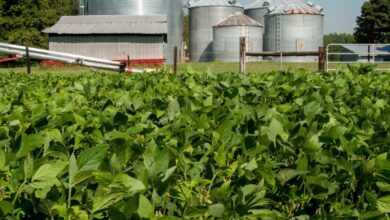
Soybean is the majorly used and widely cultivated oilseed. It is used for both edible oil and animal feed. It boasts high-protein content, which makes it an essential part of cooking, food processing, animal feed, and other sectors. It majorly finds it demand across the U.S., Brazil and Argentina, where it is produced using precision farming and advanced seed technologies. These countries also have a strong export infrastructure, which enables export of soybean oil in large quantities. Brazil, for example, supplies soybean oil to China and the European Union.
Further, soybeans also play an important role in the production of biofuel as it is supported by renewable energy mandates. This also increases the global demand for soybean oilseed. Scientists focus on introducing genetically improved and climate resilient soybean varieties which help meet the growing demand for soybean oilseed. Thus, soybean continues to dominate the oilseeds industry landscape owing to strong potential and surge in global demand.
Innovations and advancements in oilseed production
Recent years have observed developments across the oilseeds industry. Majority of manufacturers are investing in the processing infrastructure of oilseeds. This enables edible oil consumption and supply chain optimization. In addition, there is focus on expansion of renewable diesel production that uses oilseed feedstocks, which helps meet energy transition objectives. Introduction of improved seeds, such as drought-resistant soybean seeds is another development across the oilseeds landscape. This helps boost production in volatile weather conditions. Moreover, initiatives by the government help boost output through high-yield seeds and adoption of technology. This helps reduce reliance on imports, thus strengthening local industries. These developments are anticipated to shape the oilseeds industry landscape in the upcoming years.
Factors impacting growth across the oilseeds value chain
Surge in demand for healthy fats and edible oils owing to rise in population boosts the demand for oils derived from oilseeds, such as soybean, groundnuts, and others. In addition, rise in awareness toward usage of healthy oils with beneficial fatty acids also fosters the growth of the sector. There is also an increase in demand for oilseed meals, which forms an important part of high-protein animal feed, which helps in producing healthy livestock, poultry, and aquaculture. This increases the demand for oilseed processing. Further, there is also a surge in demand for renewable energy, which helps lower carbon emissions. This increases the usage of oilseed oils as biodiesel feedstocks, which increases the demand for oilseeds.
However, oilseed production on a large scale leads to deforestation and water depletion. This makes way for usage of sustainable supply chains, which surges production costs as well as increases compliance challenges. Further, fluctuations in pricing affect long-term investment in the sector. Despite these challenges, R&D for high-yield and climate resilient oilseeds and advancements in extraction technologies are anticipated to be opportunistic for the growth of the sector in the upcoming years. Moreover, surge in demand for protein alternatives and functional food supports new roles for oilseeds and derivatives in meat substitutes, dairy-free products, and health snacks. This is projected to boost the growth of the oilseeds sector in the future years.
Regional analysis of oilseeds production and consumption
Region-wise, North America is a major producer as well as an exporter of soybeans. The region boasts an advanced domestic processing infrastructure, which is projected to support the production of both edible oil and animal feed. This boosts the demand for oilseeds across the region. Europe is a major producer and exporter of rapeseed and sunflower oils. The region majorly focuses on sustainable agriculture. The region imports soybean oil to meet the requirements of livestock feed. Asia-Pacific is the fastest-growing region in the oilseeds sector. This is attributed to rise in population, increase in urbanization, and expansion of edible oil consumption.
Check out the various Oilseed Crops grown in Pakistan.
Concluding notes
The oilseeds sector is being reshaped by developments in technology. Introduction of hybrid seeds, which are genetically improved drought-tolerant varieties, integration of precision agriculture and usage of digital farm management tools help enhance yield stability and oil content. Further, usage of modern extraction and refining methods also help improve the overall oil produced. The oilseed sector is also observing developments across the cold-pressed and solvent-free techniques which help improve the quality of the oil. In addition, there is a rise in investment in agricultural practices and crop rotation. In addition, government initiatives to increase awareness about regenerative farming models also help balance oil productivity. Thus, the oilseeds sector is anticipated to experience steady growth attributed to surge in demand for plant-based proteins, healthier oils, and biofuel feedstocks.
The global oilseeds market includes crops such as soybean, sunflower, groundnut, and flaxseed. These crops are processed into edible oils, animal feed, and renewable fuels. Surge in demand for plant-based edible oils, protein-rich animal feed, and biofuels drives the growth of oilseed across different regions. Soybean leads the oilseeds sector as it can be used as both edible oil and animal feed. Sunflower and rapeseed oils are gaining popularity across different regions.

Author Bio:
Renuka Sathaye is associated as an editor with Allied Analytics LLP since July 2016. She holds a postgraduate degree in Organic Chemistry; however, has enjoys writing and reading about every domain. She works with a rigorous, curiosity-driven approach to bring a thoughtful, adaptable perspective to every writing. Outside work, she is an avid traveler, a lifelong cat enthusiast, and rarely far from a good cup of chai!.