Sustainable Agriculture Packaging: Balancing Environmental Impact with Business Efficiency

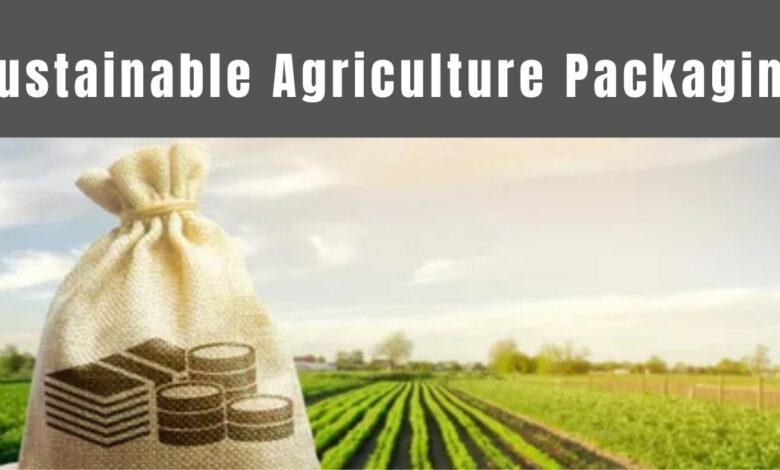
The agricultural industry holds a position as one of the major sectors of the economy throughout the world; the agricultural industry provides food and means of living for billions of people. In keeping with agriculture packaging, it keeps the harvested produce safe while being loaded, transported, stored, and displayed for sale. It further ensures product quality and better shelf life. There is extreme reliance on traditional plastic packaging methods in this vast industry, which is leading to severe environmental impact. There is a significant threat from plastic waste to our planet. The major contributor to environmental degradation is plastic waste from packaging.
In recent times, there has been a growing emphasis on sustainable packaging in agriculture in order to curb this problem, meet consumer demand and regulatory pressure for circular economy. Also, the agriculture industry is taking steps to reduce its environmental footprint. In this article by Pristine Market Insights, we will explore the sustainable packaging solutions and see how businesses are balancing their efficiency and environmental impact.
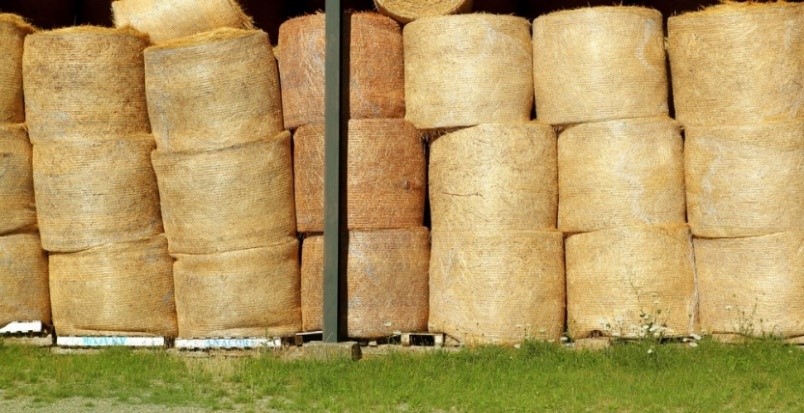
Importance of Packaging in Agriculture
Agricultural packaging has many functions to perform. It protects the produce from damage during transport, maintains quality of fresh goods, and makes sure that the product meets food safety standards. Packaging is a key marketing asset. It influences the purchasing decisions by the information printed on it about the brand and the product. Sophisticated technologies such as modified atmosphere packaging (MAP) and active packaging assist in extending the shelf life of perishables.
It also minimises food wastage due to poor packaging. Conventional packaging materials are plastic containers, clamshells and crates, which are long-lasting and have multipurpose uses. They are ideal for bulk and retail transport. Cardboard boxes and wooden crates can be recycled, but have less moisture resistance. The agriculture industry needs to switch to green alternatives that are robust and reduce environmental pollution.
Various Types of Agricultural Packaging
According to the specific needs of the products, there is a wide range of packaging types in the agriculture packaging market. Each type of packaging serves a different purpose in storage, transport and handling.
Primary Packaging: This is directly in contact with the product to maintain its freshness and protect it. Examples include vacuum-sealed pouches for perishable goods.
Secondary Packaging: Several primary packages are kept together for efficient movement and bulk handling. For example, crates of vacuum-packed items.
Tertiary Packaging: They are made for bulk packaging and for optimising storage and transportation. For example, shrink wraps pallets, and others that combine secondary packages for transportation.
Various Trends in Sustainability in Agriculture Packaging
- Compostable and Biodegradable Packaging Materials
Having renewable alternatives from natural materials such as corn starch, sugarcane, or paper to conventional plastics is sustainable. The usage of materials such as PLA (polylactic acid) from corn starch, packaging from mushrooms via mycelium, and plant waste has, indeed, been growing in recent times. Also, cellulose-based films are used to pack grains, fresh products and other agricultural products. Edible packaging made from seaweed, rice, and zero-grade bio-polymers is safe to consume and creates zero waste. There is less contribution to the landfills from these materials as they decompose quickly. They are becoming a gold standard in eco-friendly packaging solutions.

- Recycling and Circular Economy
Waste generation can be reduced by promoting circular economy and recycling. There is development of packaging solutions that are recyclable and reusable for minimising waste and resource utilisation. Recycled paper and cardboard packaging has become a convenient solution for farm produce. Reusable packaging systems with containers that can be returned, sanitized, and refilled are now being prioritized by companies, cutting down on the use of fresh packaging materials. Returnable plastic crates (RPCs) are now gaining popularity in supply chains used for transporting vegetables and fruits. They are easy to clean, reduce waste and are reused multiple times.
- Minimalist Packaging Designs
Reducing the complexities in packaging lowers cost, transportation weight and carbon footprint. This is done by using only the essential amount of material, lighter materials, and making simple shapes while designing to minimise the empty space during transport. Fewer components make it easier to recycle.
- Active Packaging
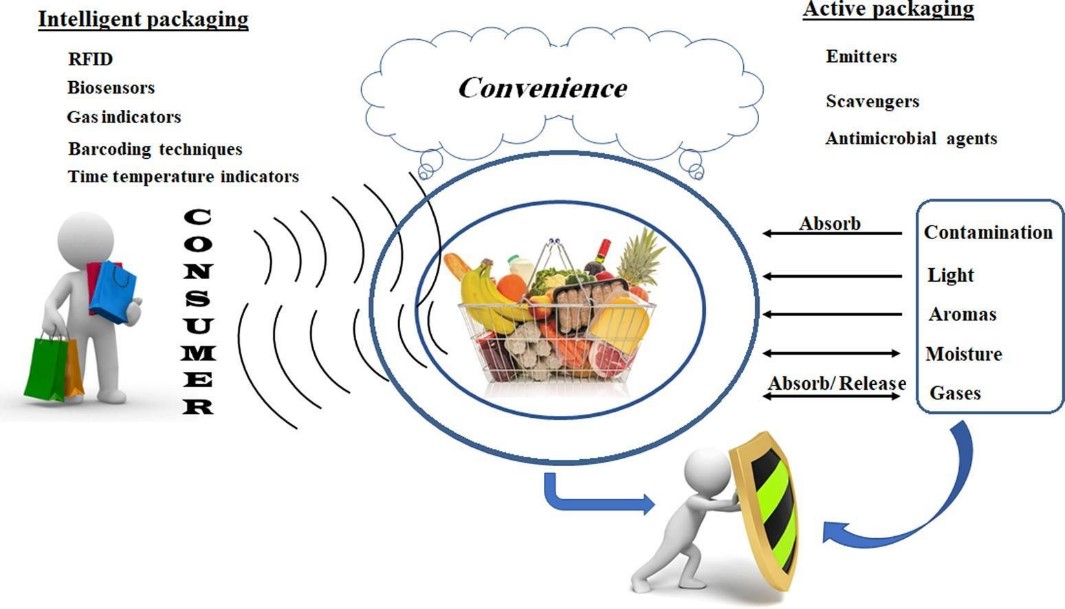
Active packaging refers to improving the shelf life and safety of the products. Fresh fruits and vegetables are helped by this packaging, as it contains elements that involve the emission of chemicals that retard the growth of pathogens, soak up excess water or consume oxygen from the inside of the package. This helps in preventing wastage of food and hence is a sustainable aspect.
- Smart Packaging
Smart/ Intelligent packaging enables shelf life extension by checking conditions such as temperature, humidity, and freshness by sensors, time-temperature markers or QR tags integrated on the packaging, which show real-time data. This enables improved supply chain management and lessened spoilage.
How Sustainability Improves Business Efficiency
In addition to environmental considerations, sustainable packaging for agriculture also holds economic benefits for the companies.
- Cost Savings
Minimalist designs reduce costs of raw material acquisition directly. Recycling and repurposing lower the expenses of waste management and landfilling. The costs of transportation and carbon are lowered through light and optimised packaging materials. Long-term cost savings are provided through the avoidance of repeated buying of disposable materials.
- Improved Brand Reputation
Today, buyers do tend to pay a hefty price for environmentally and socially alert companies. Sustainable packaging creates a brand name and commitment to sustainability, panting for the customer’s trust.
- Reduced Risks and Regulatory Compliance
The governments of the world are making it more difficult to reduce waste and deal with it. To escape possible fines or market penalties, businesses are adopting eco-friendly packaging to comply with these regulations. Pre-emptive compliance with these laws can minimise the legal issues.
Conclusion
Packaging forms an essential segment of agriculture production. Opportunity-oriented sustainable packaging choices for agricultural products not only serve environmental interests but also double up as a wise business strategy regarding brand image, premium pricing, and market access. Acceptance of biodegradable, compostable, reusable moves and packaging, coupled with smart technology options, allows them to satisfy consumers, keep within regulatory constraints, and work for a greener tomorrow.
Author Bio:
Teja Kurane is a research analyst specializing in sustainable industry practices and market trends. With a keen focus on environmental innovation and business efficiency, Teja brings data-driven insights to support strategic decision-making in the evolving landscape of sustainable agriculture and packaging solutions.