How AI Is Transforming Agriculture and Food Production in 2026
Agriculture is one of the oldest human activities—and one of the most challenging. Farmers have to deal with soil quality, water resources, pest and disease, climatic conditions, cost of inputs, market prices, and labor availability all at once, in a crop cycle that leaves little time for error. The choices made in the fields, orchards, and farms today hold the key to food security for the next generation of the world’s population. Artificial intelligence is now starting to offer farmers and agricultural professionals the kind of tools that will make these choices faster, more informed, and more accurate—and the effect is already being felt in every area of food production.
This article examines how AI Is Transforming crop farming, livestock farming, food processing, and food supply chains, and what farmers and agricultural professionals of the future need to know about these developments to benefit from them.
Precision Agriculture: Doing More with Less
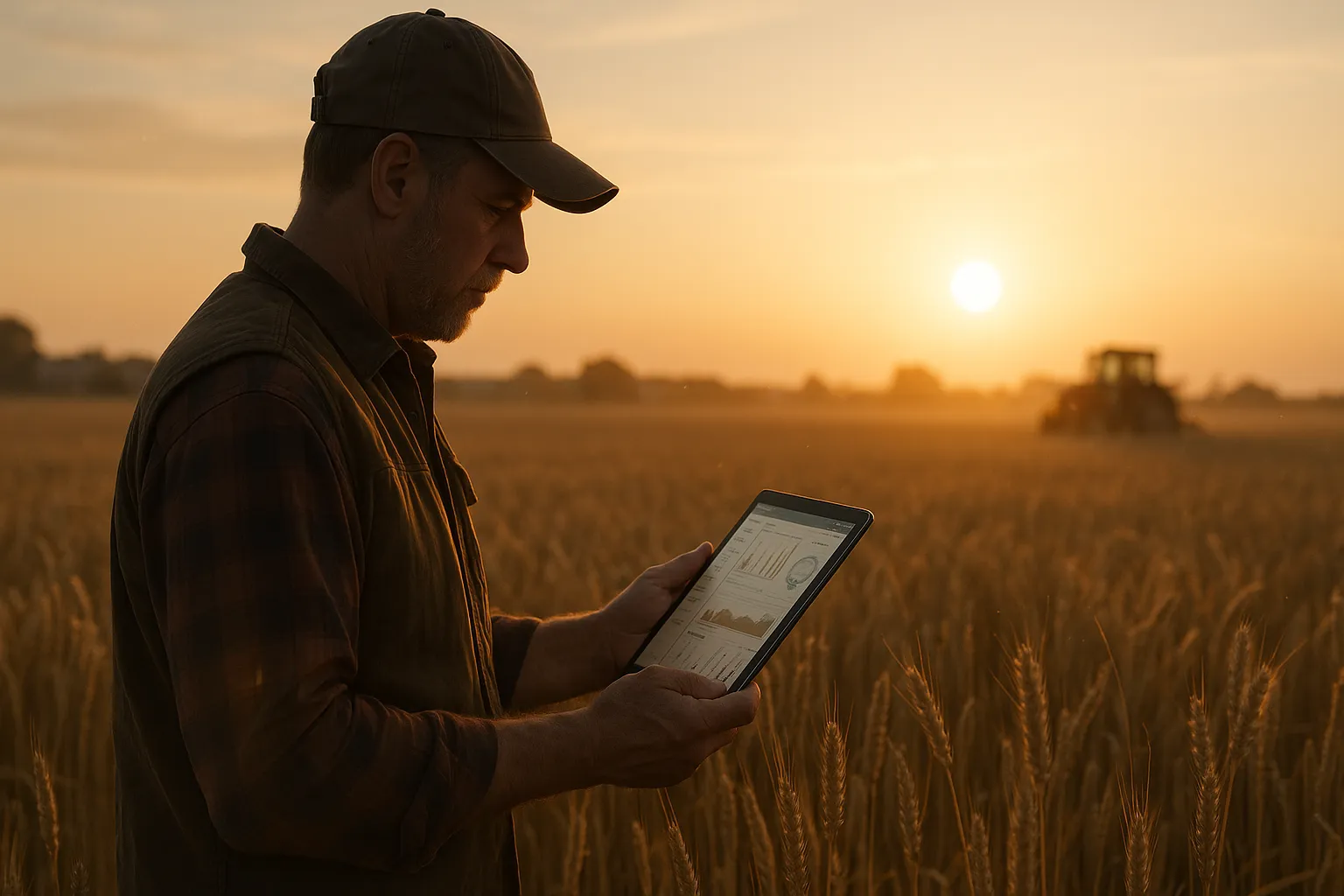
Conventional farming practices involve applying fertilizers, water, pesticides, and seeds to fields uniformly, based on average conditions and general guidelines. Precision agriculture, enabled by AI, is based on a completely different paradigm: treating every area of every field as if it were unique, and applying fertilizers, water, pesticides, and seeds only where and when they are needed, in the exact quantities the plants require. This enables farmers to achieve lower input costs, reduced environmental damage, and sometimes even higher yields—something that is increasingly appealing as input prices rise and sustainability pressures mount.
Soil Analysis and Nutrient Management
Soil Health
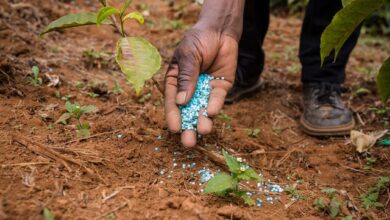
Health of soil is the key to crop productivity, and AI Is Transforming the way farmers think about and manage their soil. AI-based systems can combine data from soil sensors, satellite images, yield maps from previous seasons, and lab results to create a comprehensive soil profile for each field, highlighting differences in pH, nutrient content, organic matter, and water retention capacity across a farm. These profiles are used to generate variable rate application recommendations – advising farmers on exactly how much nitrogen, phosphorus, potassium, and other nutrients to apply in each area of each field to maximize both yield and economy.
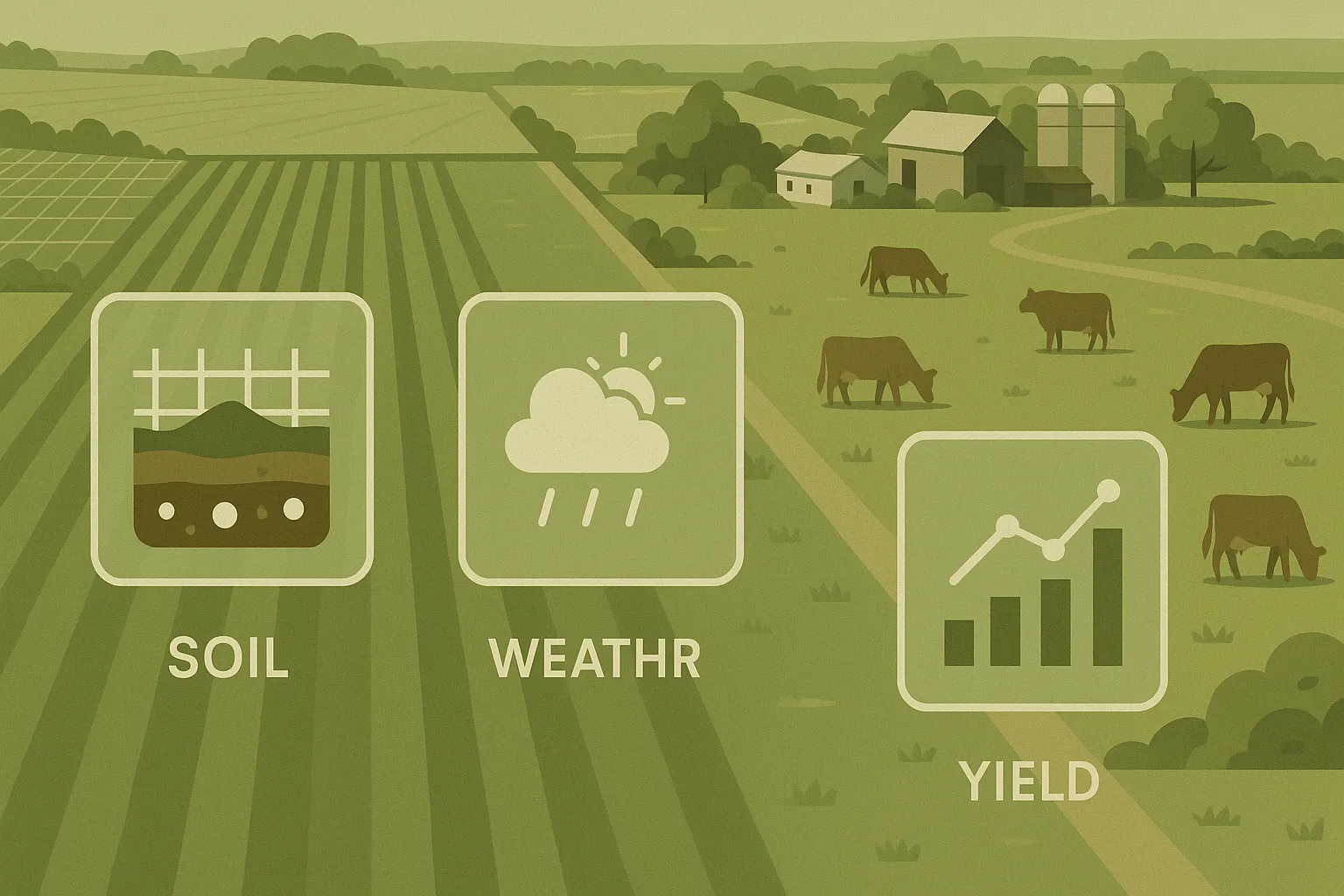
For farmers who have traditionally applied the same rates across entire fields, the shift to AI-assisted variable rate application can yield substantial cost savings – cutting fertilizer use by 10-20% or more while holding or increasing yields. In areas where fertilizer costs are a high percentage of total production costs, such savings have a direct effect on farm profitability.
Weather and Crop Yield Forecasting
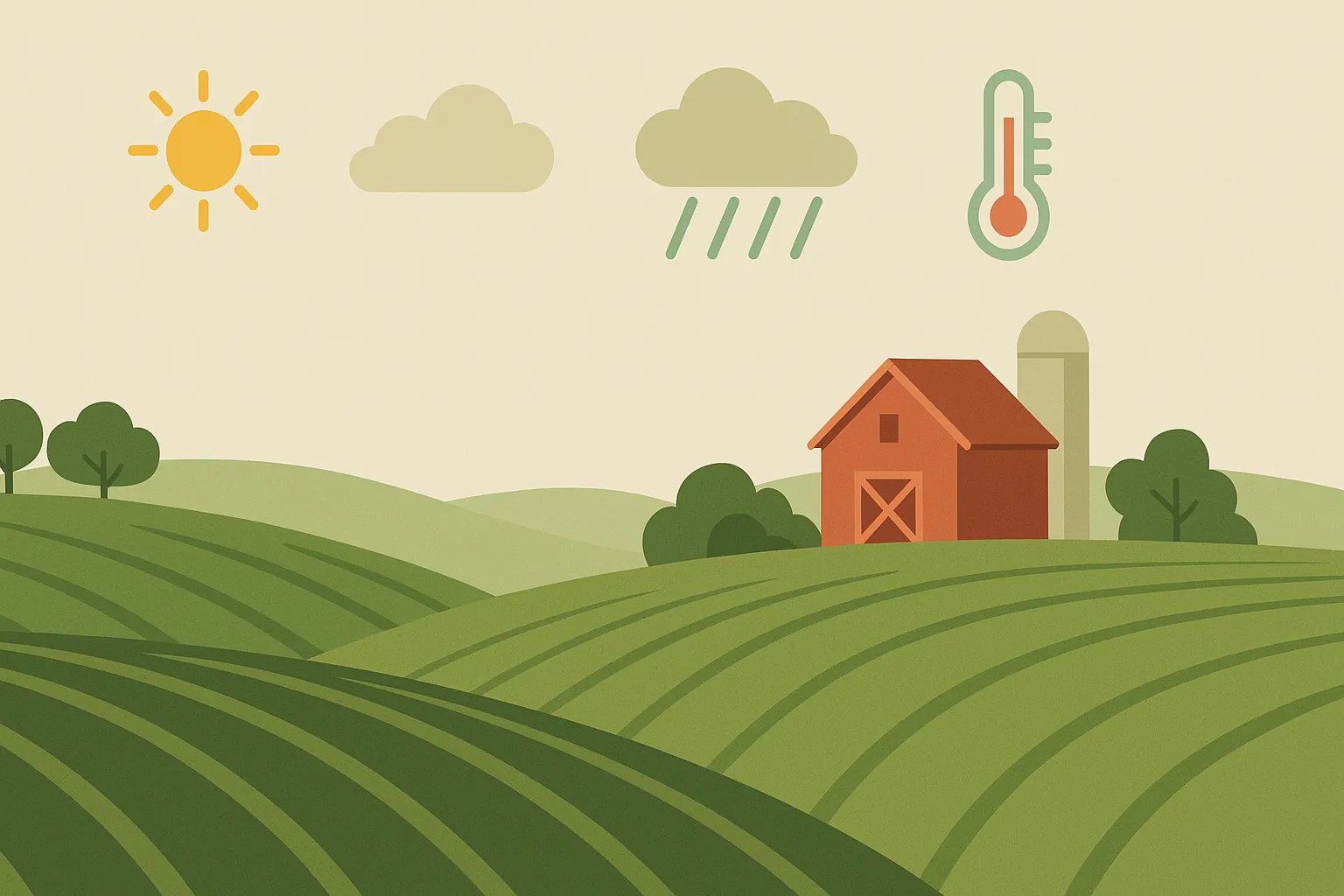
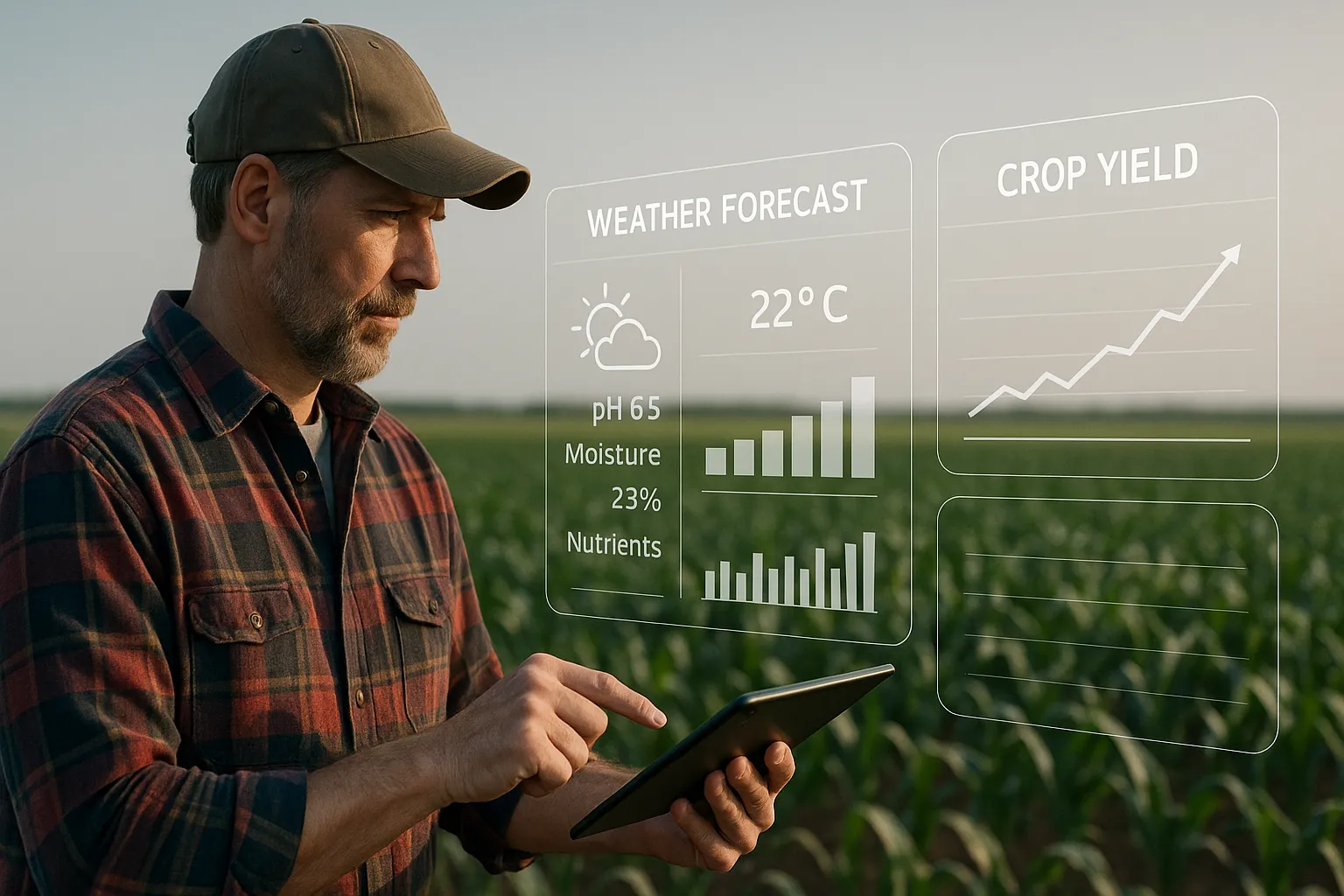
Farm decision-making is, by its very nature, weather-driven, and AI is radically improving the accuracy and localization of weather forecasting for farmers. AI systems trained on massive meteorological databases can produce hyper-local forecasts that take into account micro-climatic differences within a farm, offering practical advice on planting dates, irrigation, spray timing, and harvest planning. At the seasonal level, AI climate models can offer probabilistic forecasts of seasonal conditions – enabling farmers to make informed decisions about crop choice, variety, and resource allocation months in advance.
Crop Monitoring and Satellite Imagery
Monitoring the health of crops over hundreds or thousands of acres has long been a difficult task. AI-assisted analysis of satellite and drone imagery is revolutionizing crop monitoring – allowing farmers to assess the health status of every region of their crops at a level of detail and with a frequency that is not possible through ground-based scouting alone. Vegetation indices, extracted from multispectral imagery and analyzed by AI, can detect regions of stress, disease, nutrient deficiencies, or pest damage weeks before they would be apparent to the naked eye – allowing for early intervention that prevents yield loss.
Pest and Disease Management
Pest and disease management is one of the sectors where AI is achieving some of its most spectacular success in agriculture. Computer vision systems, operating on smartphones, drones, or stationary cameras, can detect crop diseases and pest infestations from images with a level of accuracy that matches or surpasses human agronomists for many common diseases. AI algorithms can combine weather data, crop stage information, and disease pressure history to produce predictive alerts – warning farmers that conditions are ripe for a particular disease outbreak before it happens, allowing for preventative treatment at the optimal time rather than treatment after the fact.
AI in Crop Economics and Farm Management
In addition to the field-level applications of precision agriculture, AI Is Transforming how farmers manage the economic aspects of their operations. Agricultural commodity markets are notoriously unpredictable, and the ability to make timely marketing decisions can have as much impact on the profitability of a farm as crop performance.
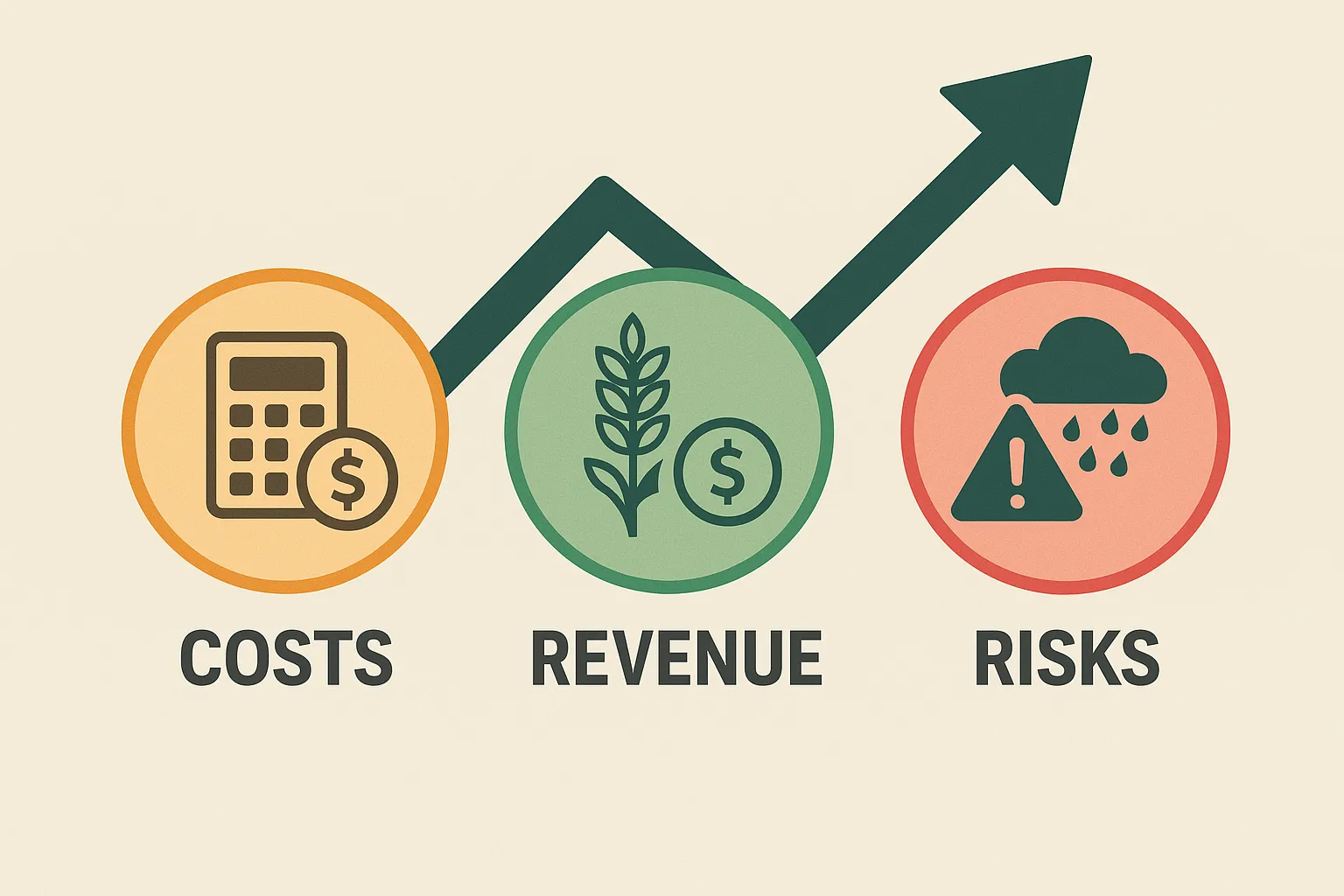
Artificial intelligence-based farm management systems can process market data, weather forecasts, crop status reports, and logistics data to offer farmers price forecast models and marketing plan suggestions. In the case of individual farm enterprises, the integration of AI farm management advice and AI economic analysis, including costs, revenues, and risks in a single process, is a truly powerful decision-making tool.
AI in Food Processing and Supply Chain Management
The role of AI in agriculture goes far beyond the farm gate. Food processing, quality control, and supply chain management are all being revolutionized by AI in ways that impact the efficiency, safety, and sustainability of the food system as a whole.
Quality Control and Food Safety
AI-based computer vision technology is being used throughout food processing plants to examine products for defects, contaminants, and quality issues at speeds and with levels of accuracy that are not possible with human vision. Fruit and vegetable grading systems can evaluate color, size, shape, and surface defects in real-time, automatically sorting produce into quality grades. AI systems tracking HACCP compliance can identify anomalies in temperature, cleanliness, or process variables, alerting operators before they become food safety problems.
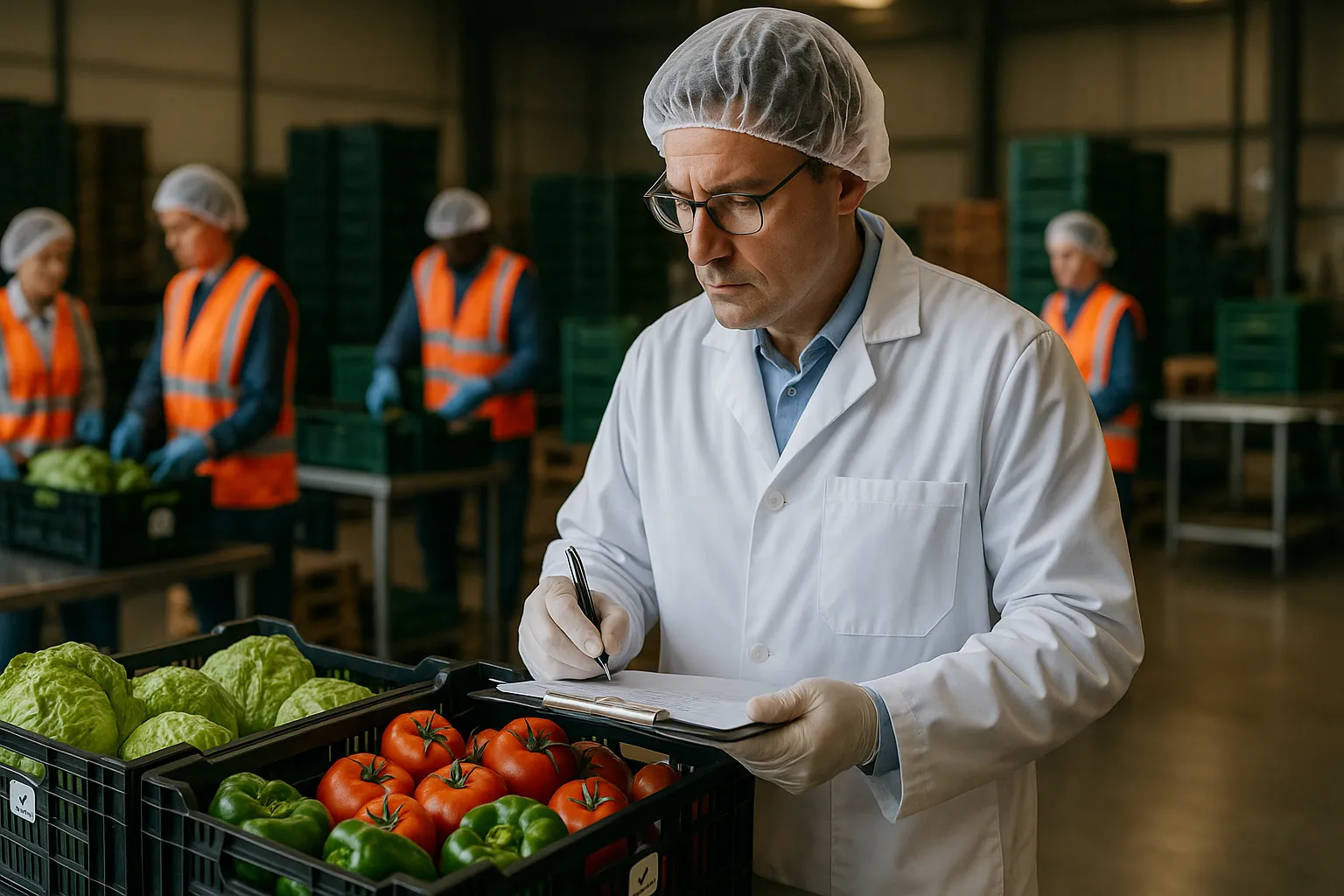
The implications for food safety are profound. Food contamination events in the food supply chain can have catastrophic consequences for public health and the businesses involved. AI monitoring systems running 24/7 and 365 days a year, without the fatigue and distraction that affect human operators, offer a more reliable quality control framework than traditional methods.
Supply Chain Optimisation
Food supply chains are intricate, time-critical, and prone to disruptions caused by natural disasters, crop diseases, transportation bottlenecks, and demand variability. AI-based supply chain management solutions can simulate the entire food chain from farm to the retailer’s shelf, pinpointing problem areas, forecasting potential disruptions, and optimizing logistics and inventory management to minimize losses and maximize availability. In the case of perishable items, where the product has a limited shelf life and losses have both financial and environmental implications, AI-based supply chain optimization can make a dramatic difference.
AI in Livestock Management: Healthier Animals, More Efficient Operations
Livestock rearing is a unique industry in its own right, with its own set of challenges and opportunities for AI applications. The health, nutrition, breeding, and welfare of large numbers of animals demand constant surveillance and quick action to address emerging issues. AI is giving livestock producers the tools they need to manage their animal populations in just this way – continuously, data-driven, and on a scale that would be impractical to achieve through human observation alone.
Animal Health Monitoring
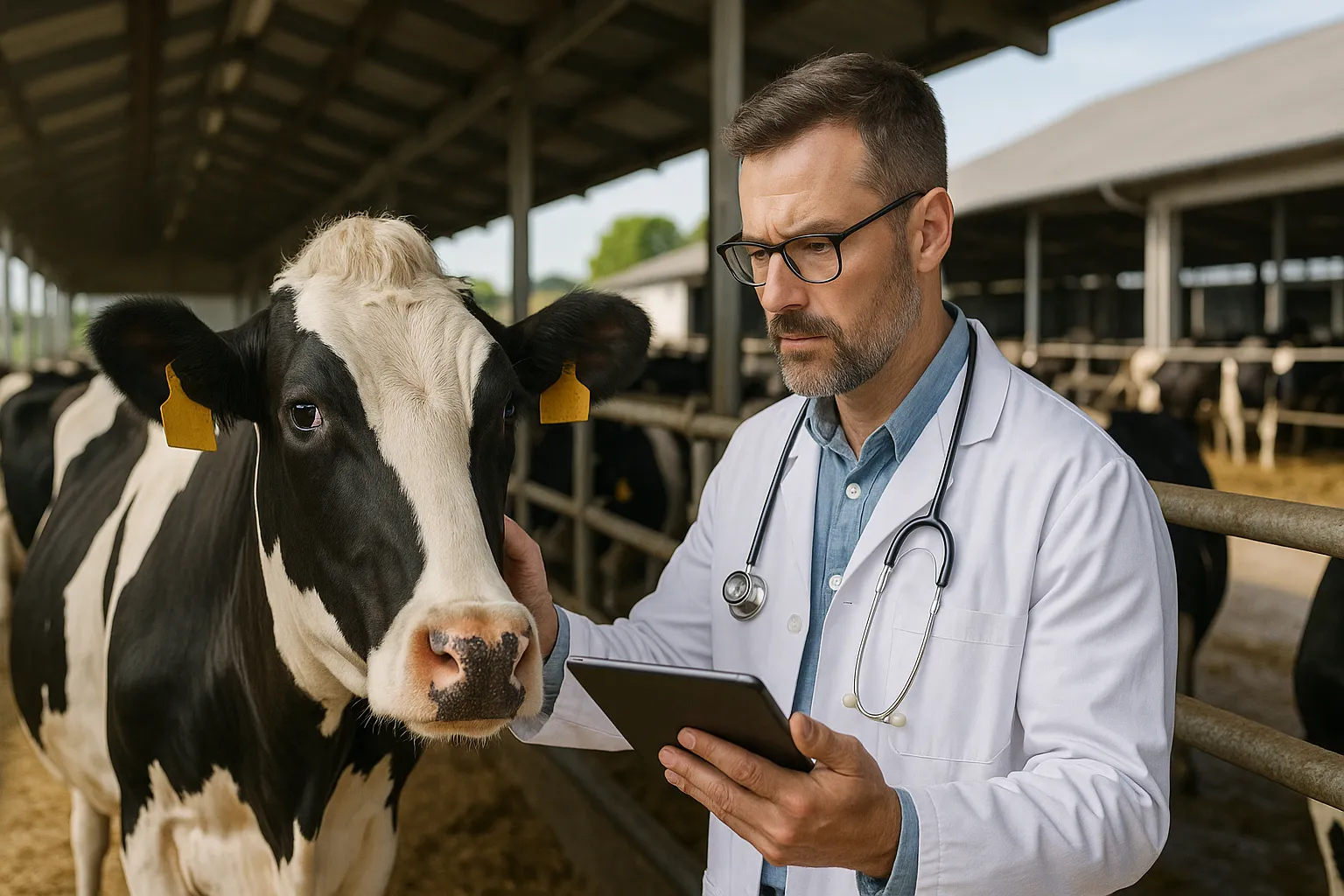
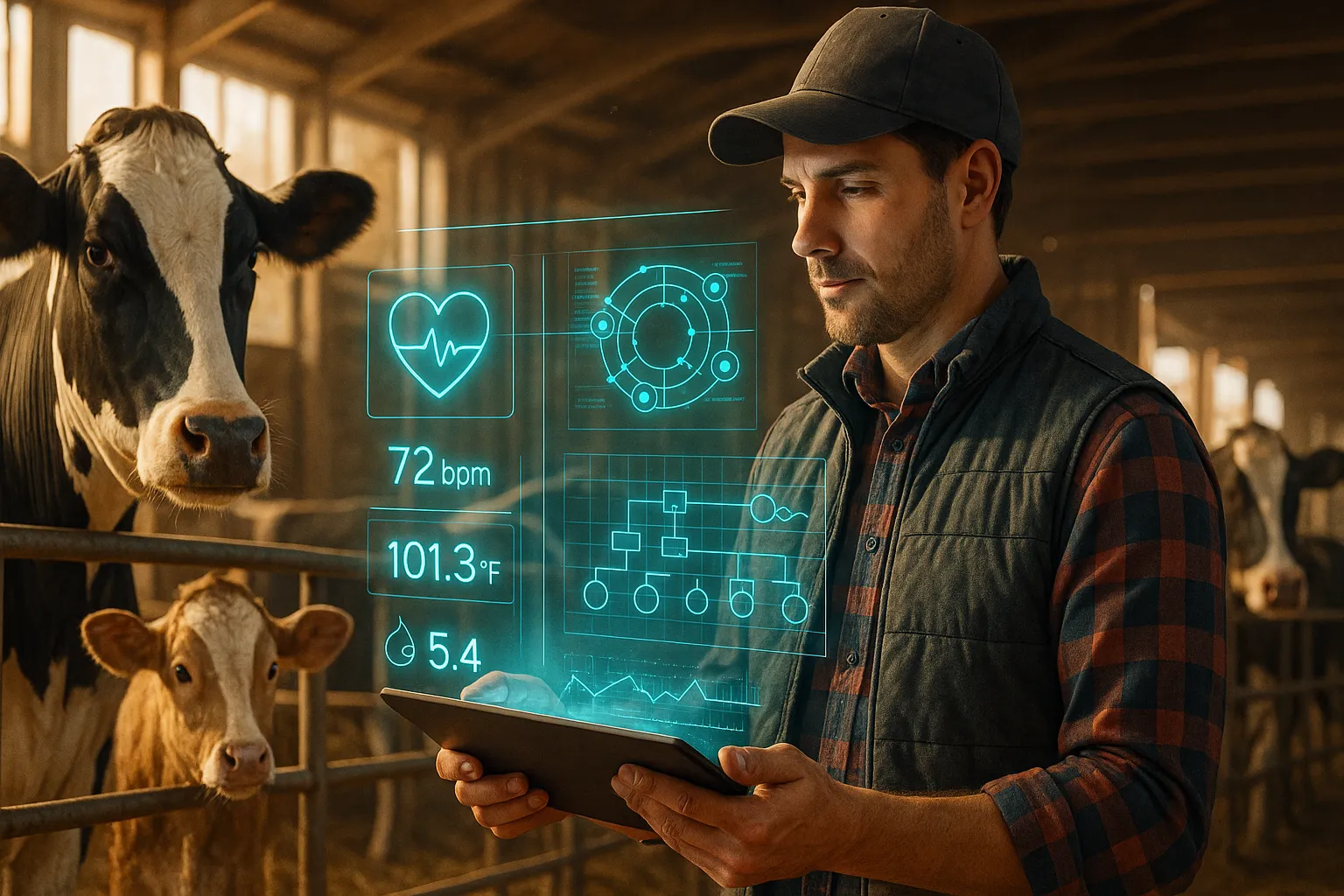
Disease detection in livestock has always been difficult – animals can’t talk, and by the time symptoms are apparent, the disease may already be widespread in a herd or flock. AI-based monitoring systems, using wearable sensors, cameras, and environmental monitoring, can pick up on early changes in behavior and physiology that precede the onset of disease – reduced activity, changes in feeding patterns, changes in posture, changes in vocalization – giving farmers warning days before animals show overt symptoms of illness.
For dairy farms, AI analysis of milk yield, body condition, activity, and feeding behavior can detect cows susceptible to metabolic disease, mastitis, or reproductive issues before they become veterinary cases. The benefits of earlier treatment, less severe disease, and lower veterinary bills offer a strong economic rationale for AI health monitoring systems, in addition to the welfare advantages.
Precision Livestock Nutrition
Feed accounts for the biggest item in the cost of raising most livestock, and optimizing feed formulation and distribution according to the needs of individual or groups of animals is a major opportunity for cost savings and performance enhancement. AI systems that combine data on individual animal performance, body condition, growth rate, production level, and genetic merit can suggest optimized feeding programs tailored to the exact needs of each animal, avoiding both under- and over-nutrition that can result in reduced performance due to malnutrition or wastage of costly resources through overfeeding.
Reproductive Management and Genetics
A major determinant of profitability in many livestock enterprises is reproductive efficiency. AI-powered heat detection systems utilizing activity sensors and camera-based observation can detect oestrus in cattle with a level of accuracy well beyond human observation, allowing earlier breeding and improved conception rates. AI-based genetic selection systems can evaluate extensive genomic information to select animals with the best possible genetic makeup for particular traits such as growth rate, feed efficiency, disease resistance, milk yield, and meat quality, allowing faster genetic progress than traditional methods of selection.
Biosecurity and Disease Prevention
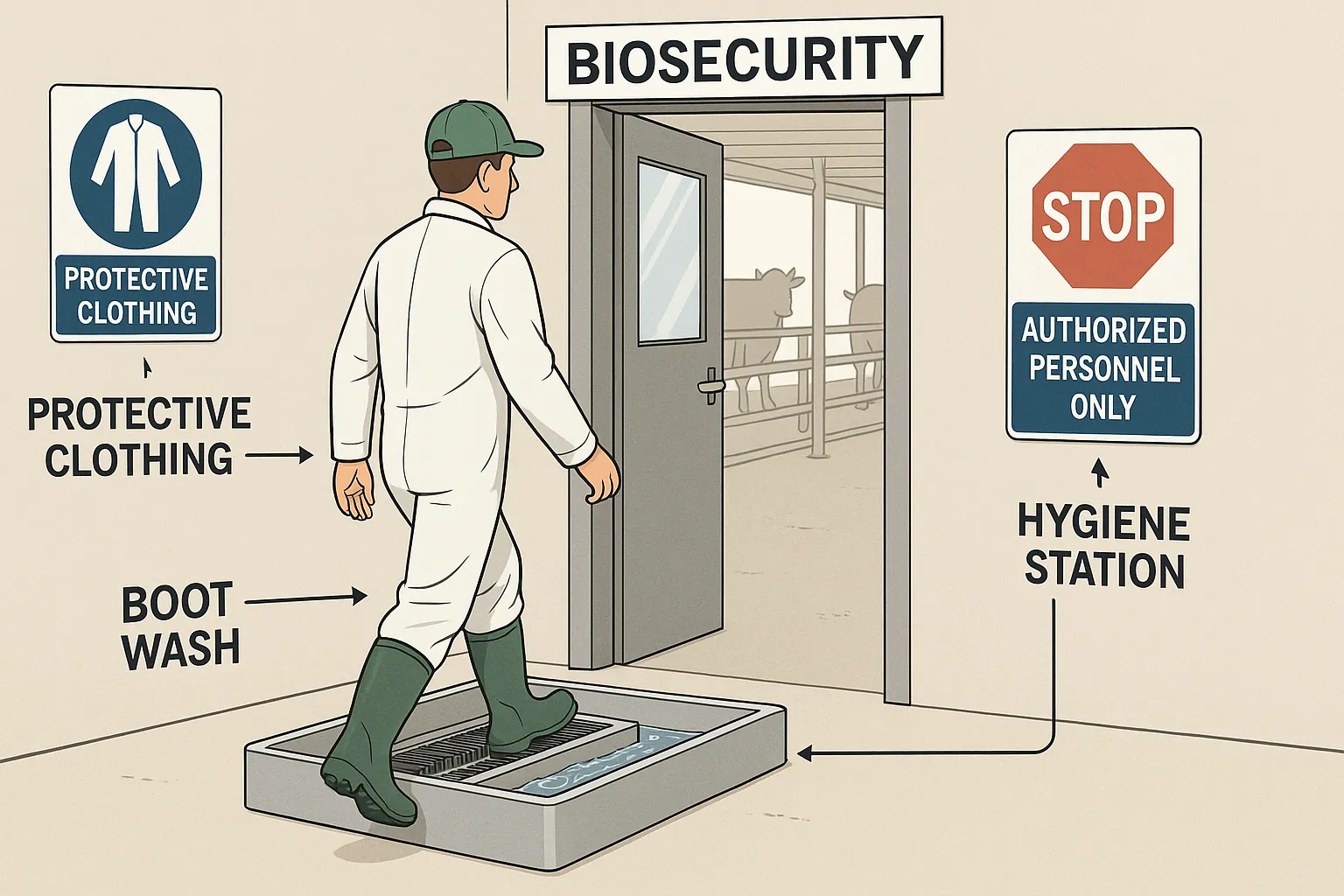
Biosecurity – the protection of livestock against disease introduction and spread – is a cornerstone of animal health and food chain protection. AI can be used to monitor entry and exit points on farms, track animal movements, analyze environmental factors, and combine regional disease surveillance data to enable real-time biosecurity risk analysis and alert farmers to high levels of risk. In the case of diseases such as avian influenza, African swine fever, or foot and mouth disease, which can have a catastrophic effect on entire sectors and necessitate the mass slaughter of animals, AI-enhanced biosecurity is a high-value application in the genuine sense of the word.
Dairy Production Optimisation
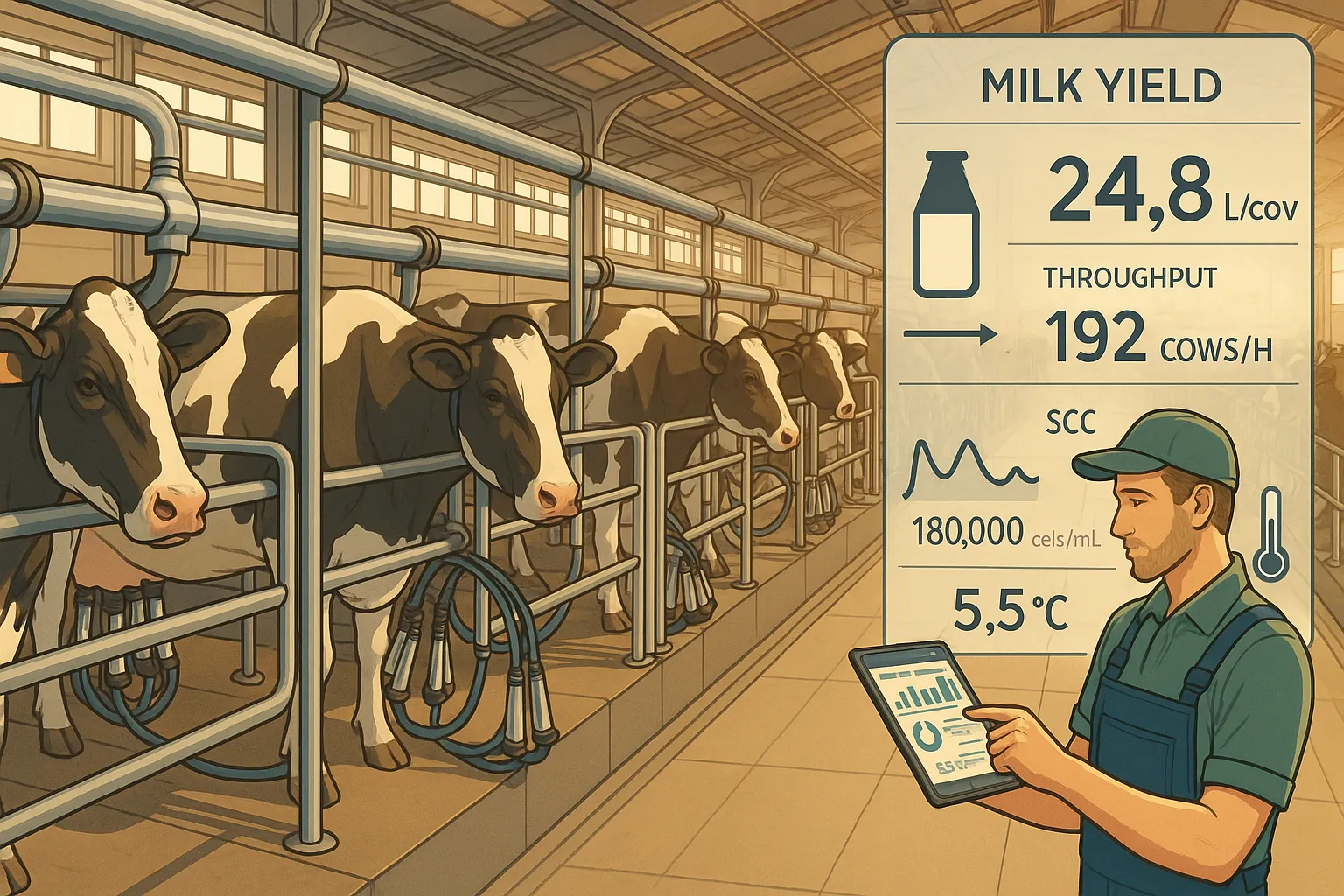
Dairy farming is one of the most data-intensive areas of agriculture, and AI is being applied extensively to optimize every aspect of dairy farming. AI can be used to monitor the milk yield, composition, and production of individual cows, detecting which cows are underperforming and analyzing the probable reason for this. Fully automated robotic milking systems with AI capabilities can handle milking routine management, teat health monitoring, and milk quality analysis. At the herd level, AI analytical software can model the economic consequences of management decisions such as feeding, culling, and breeding, allowing dairy farmers to make more informed decisions about how to manage their dairy herd for long-term economic success.
Sustainability: AI as a Tool for a More Resilient Food System
The agricultural sector is at the dawn of a major technological shift. AI solutions are becoming more available, more affordable, and more relevant to the needs of farmers and agri-professionals at all levels, from the individual farm to agronomists, veterinarians, food processors, and agricultural supply chain managers. The ability to assess and effectively use these solutions is becoming a basic skill, not a specialized expertise.
This does not mean that farmers and agricultural professionals must become data scientists. It means that they must develop a basic understanding of what AI can do in agriculture, how to judge the accuracy of AI recommendations, how to effectively incorporate AI solutions into farm management, and how to retain the agronomic and animal husbandry expertise that AI solutions can’t replace.
For those in the agriculture and food production sectors who are interested in developing this knowledge in a systematic way – whether for the purposes of enhancing their own farm operations, better advising farmers, or advancing their careers in an increasingly AI-driven sector – the AI Awareness guide to AI in agriculture and food production offers a thorough, accessible, and practical introduction to the most important technologies, applications, and implications throughout the entire agricultural value chain.
For those who are interested in formally establishing their knowledge and commitment to AI-informed agricultural practice, the AI Awareness Certificate in Agriculture and Food Production offers a systematic, sector-specific qualification that spans AI applications in crop, livestock, food processing, and supply chain domains – enabling agricultural professionals to lead in this rapidly changing sector with the knowledge and credentials to match.
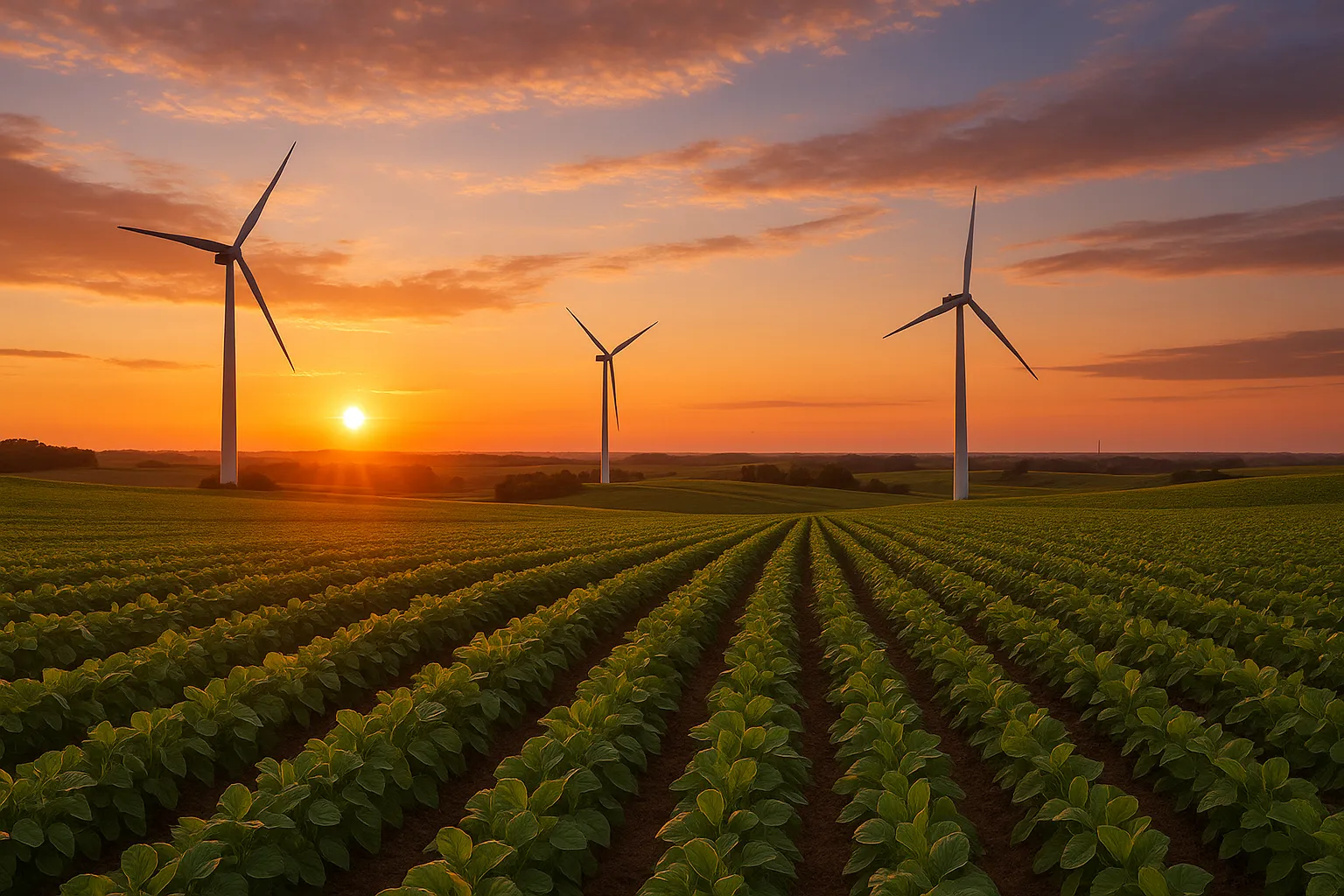
The Future of Farming Is Already Here
The integration of AI in agriculture is no longer a future vision but is already taking place, on all types and sizes of farms in every agricultural region around the world. Farmers employing AI crop monitoring systems are detecting disease outbreaks sooner. Livestock farmers employing AI health monitoring systems are lowering veterinary bills and improving animal welfare. Food processors employing AI quality control systems are lowering waste and improving food safety. And agricultural enterprises employing AI economic analysis and planning systems are making more informed decisions about their most valuable assets.
The farmers and agricultural professionals who are already interacting with these technologies today – understanding what they have to offer, learning how to use them effectively, and developing the AI literacy to assess new tools as they become available – will be much better prepared for what the future holds. Agriculture has always been a field that demands a high degree of knowledge, skill, and flexibility in the face of a dynamic environment. None of these demands will change in the age of AI, but AI will provide a new set of tools to leverage them.
Find more informative blogs on Precision Agriculture here