Agriculture Jobs in Pakistan: A Comprehensive Guide for 2026
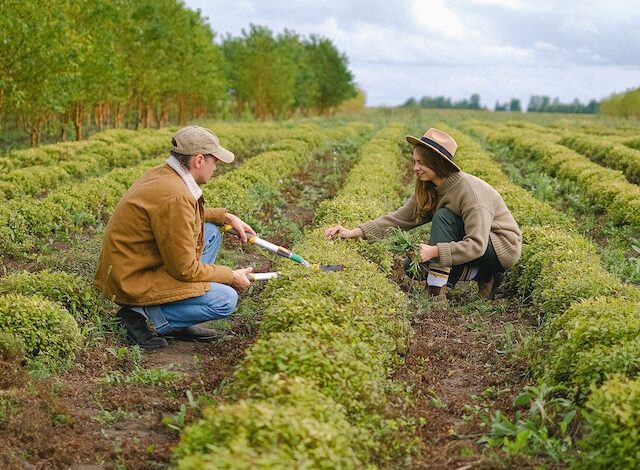
Agriculture jobs in Pakistan span government officer posts, research institutes, seed and fertiliser companies, banks, NGOs and working farms — and in 2026 the sector still employs roughly one in three Pakistani workers. This guide explains the main roles, the qualifications each one needs, and where the vacancies are actually advertised, so you can aim at the post that fits your degree.
Why agriculture still anchors Pakistan’s job market
Agriculture contributes 23.4% of Pakistan’s GDP, according to the Pakistan Economic Survey 2025-26, and it remains the country’s largest single source of work. The Labour Force Survey 2024-25 puts agriculture’s share of employment at 33.1% of the workforce, down from 37.4% in 2021 as services absorb more rural labour — but that still means tens of millions of livelihoods depend directly on farms, livestock and the businesses that serve them. The longer view shows how gradual the shift has been: agriculture employed 41.1% of the workforce in 2001-02 (Begum 2022), before easing to 37.4% in 2021 and then 33.1% in 2024-25.
Livestock is the biggest sub-sector of all, contributing 63.6% of agriculture’s value added and 14.97% of national GDP, and it grew by 4.72% in FY25. That is why the job market is not only about crops: animal health, dairy, fodder and meat value chains hire steadily alongside the crop side, and every role below exists because this sector is too large to run on informal labour alone.
Government jobs: the Agriculture Officer route
The most sought-after government agriculture job in Pakistan is Agriculture Officer, a grade-17 (B-17) post in the provincial agriculture departments. These posts are not filled by walking into an office with a CV: they are recruited through the provincial public service commissions — the PPSC in Punjab, the SPSC in Sindh and the BPSC in Balochistan, among others — through advertised vacancies, a written MCQ test in the relevant subject, and an interview.
A live 2026 example shows how the system works. The Balochistan Public Service Commission’s Advertisement No. 07/2026 offered 105 Agriculture Officer / Research Officer posts in the Agriculture Extension Wing, and the closing date was later extended to 17 November 2026. The pattern — a block of officer posts, a set qualification, an age limit and a fixed fee — is the same one Punjab and Sindh follow when their commissions advertise.
| Item | BPSC Advertisement 07/2026 detail |
|---|---|
| Post | Agriculture Officer / Research Officer (B-17), Agriculture Extension Wing |
| Number of posts | 105 |
| Qualification | Master’s in Agriculture, or Bachelor’s (Hons) in Agriculture, at least second division |
| Age limit | Up to 28 years (general relaxation rules apply on top) |
| Application fee | Rs 800, paid online through a PSID |
| Closing date | 17 November 2026 (extended from 14 October 2026) |
The main agriculture job roles, explained
Most agriculture jobs in Pakistan fall into a dozen recognisable roles. They divide into crop and soil science, field and farm work, and the animal, business and knowledge jobs that support them.
Crop and soil roles
Agronomists specialise in crop and soil science, working to improve crop productivity, sustainability and farming practice; they research the factors that affect crop growth and recommend measures that raise yields. Soil scientists study soil properties and their effect on plant growth, advising farmers on soil management so crops get the conditions they need. Plant breeders and geneticists develop new crop varieties with better yield, pest and disease resistance, and adaptability to a changing climate — work that sits at the heart of food security.
Field and farm roles
Agriculture officers and extension workers work directly with farmers, guiding them on crop management, pest control and farming techniques, and carrying knowledge and technology from research institutions out to the field. Agricultural engineers design, develop and improve farm equipment, irrigation systems and other farm technology, raising the efficiency of the whole operation. Farm managers and supervisors run the daily work of farms — crop planning, cultivation, harvesting and animal husbandry — and are accountable for making the farm productive and profitable.
Animal, business and knowledge roles
Livestock specialists focus on animal health, breeding and nutrition, helping farmers raise the productivity and well-being of their animals. Agribusiness consultants advise farmers, companies and government agencies on practices, crop marketing and business management. Agricultural economists analyse supply and demand, pricing and trade, and their work shapes policy. Agri-input sales representatives sell seed, fertiliser and pesticides to farmers and explain how to use them well. Research scientists push the science forward inside universities and research institutes, while agricultural journalists report the sector’s news, trends and problems to the public.
| Role | Main work | Typical employers |
|---|---|---|
| Agriculture Officer | Farmer advisory, extension, government programmes | Provincial agriculture departments (via PPSC, SPSC, BPSC) |
| Agronomist | Crop and soil advice, field trials, input recommendations | Fertiliser, seed and irrigation companies; large farms |
| Soil Scientist | Soil testing and soil management advice | Research institutes, fertiliser companies, universities |
| Plant Breeder / Geneticist | Developing improved crop varieties | Seed companies, research institutes, universities |
| Livestock Specialist | Animal health, breeding and nutrition | Livestock departments, dairy and feed companies |
| Agri-Input Sales Representative | Selling and supporting seed, fertiliser and pesticide use | Agrochemical and seed companies |
| Farm Manager | Day-to-day running of a farm operation | Commercial farms and estates |
Private-sector and NGO jobs in 2026
Private hiring in 2026 is active across the input industry, banking and development sector. Live listings this year have included an Agronomist post at Valley Irrigation Pakistan asking for a BSc or MSc in Agronomy, Officer Agri Services roles at HBL Zarai for BSc Agriculture graduates, territory and field officer posts with seed and pesticide firms, research-and-development and regulatory-affairs roles preferring Entomology or Agronomy graduates, and loan officer posts at Khushhali Microfinance Bank aimed specifically at agriculture graduates.
The big fertiliser companies run their own field teams: an agronomist or field sales officer at a company such as Engro Fertilizers tests soil and recommends fertiliser blends, runs farmer education meetings, and collects crop-health data through mobile apps. NGOs hire on a project basis — Islamic Relief Pakistan’s Assistant Agriculture Officer role in Thatta, for example, led food-security and livelihood projects covering water management, irrigation infrastructure and land management. The employers differ, but the pattern is consistent:
- Input companies — seed, fertiliser, pesticide and irrigation firms hiring agronomists, territory managers and field officers.
- Banks and microfinance — agri-services and loan officers who can judge farms and crops, not just paperwork.
- NGOs and development projects — agriculture officers for food-security, livelihood and irrigation projects.
- Research and regulation — R&D, variety trials and regulatory-affairs posts, usually asking for an MSc.
Technology is also quietly rewriting the job list. As our guide to precision agriculture in Pakistan explains, farms and agri-tech firms increasingly want agronomists who can also work with data — satellite imagery, sensor readings and yield records — alongside traditional field skills.
What qualification do you need?
For almost every professional agriculture job in Pakistan, the baseline is a bachelor’s degree in agriculture. Most private-sector positions ask for a BSc in Agriculture as the minimum, while specialised roles — horticulturist, soil scientist, veterinarian — require the matching specialist degree rather than a general agriculture qualification. Government officer posts set the bar formally: the BPSC’s 2026 advertisement required a Master’s in Agriculture or a Bachelor’s (Hons) in Agriculture, at least second division, with an upper age limit of 28.
Research and senior technical roles usually expect an MSc in the relevant discipline — Agronomy, Entomology, Plant Pathology, Soil Science and similar — and NGO project roles commonly add an experience requirement, such as two years with a Master’s or three years with a Bachelor’s degree. The University of Agriculture Faisalabad (UAF) and the provincial agriculture universities are the main source of these graduates, and their degree titles are the ones employers write into advertisements.
| Route | Typical qualification | Where it leads |
|---|---|---|
| Government officer | Master’s or BSc (Hons) in Agriculture, 2nd division, plus commission exam | Agriculture Officer / Research Officer (B-17) |
| Private agronomy and field roles | BSc Agriculture; MSc Agronomy for senior agronomist posts | Input companies, irrigation firms, large farms |
| Research and R&D | MSc in a specialist subject (Entomology, Soil Science, Plant Pathology…) | Research institutes, universities, company R&D |
| NGO and project roles | Bachelor’s or Master’s in Agriculture plus 2–3 years’ experience | Food-security, livelihood and irrigation projects |
| Agri-banking | BSc Agriculture | Agri-services and loan officer posts in banks |
How to find and apply for agriculture jobs in Pakistan
Government vacancies appear only in official commission advertisements, while private and NGO roles are spread across job portals and company pages. Work through the channels in this order:
- Public service commissions: check the PPSC, SPSC, BPSC and KPPSC websites regularly — officer posts are advertised there first, with the syllabus and closing date.
- Research institutes: the Pakistan Agricultural Research Council (PARC) advertises its vacancies on the jobs page of its website, parc.gov.pk, and the provincial research institutes publish theirs the same way.
- Job portals: Rozee.pk and similar portals carry NGO, bank and company agriculture roles as they open.
- International job aggregators: Glassdoor carried about 140 agriculture listings in Pakistan in November 2026, and Indeed Pakistan listed more than 100, so both are worth searching alongside the local portals.
- Agriculture job boards: specialist boards list field officer, territory and agronomist vacancies from across the input industry.
- Company careers pages: fertiliser, seed and pesticide firms post field-team roles on their own sites.
- Newspapers: government advertisements still appear in the major Urdu and English dailies.
For commission posts, preparation decides the result, because selection starts with a subject MCQ paper. Work through agriculture MCQ practice sets topic by topic, and read these tips for the agriculture test before you sit the paper. Apply online within the deadline, pay the fee through the PSID or challan the advertisement specifies, and keep your domicile and degree documents ready — commissions check them strictly.
Conclusion
There are numerous Agriculture jobs in Pakistan in 2026, catering to different interests, skills and qualifications — from grade-17 officer posts won through commission exams to field roles with the companies and banks that serve farmers every day. Pick the route that matches your degree, watch the right advertisement channels, and prepare properly for the test: the sector that produces the country’s food is still one of its biggest employers.
Frequently asked questions
What is the most common government agriculture job in Pakistan?
The Agriculture Officer post (B-17) in provincial agriculture departments. It is filled through the provincial public service commissions — PPSC, SPSC, BPSC and KPPSC — by advertisement, a subject MCQ test and an interview.
What qualification is required for Agriculture Officer jobs?
Typically a Master’s in Agriculture or a Bachelor’s (Hons) in Agriculture with at least second division. The BPSC’s 2026 advertisement set exactly that requirement, with an upper age limit of 28 and a fee of Rs 800.
Can I get an agriculture job without a degree?
Professional roles — officer, agronomist, research — require an agriculture degree, and most private employers set BSc Agriculture as the baseline. Farm work and some sales-support roles are the main exceptions, but the advertised career posts in this guide are graduate posts.
Where are agriculture jobs in Pakistan advertised?
Government posts appear on the public service commission websites and in newspapers. Private, bank and NGO roles appear on job portals such as Rozee.pk, on agriculture job boards, and on company careers pages.
Are agriculture jobs growing or shrinking in Pakistan?
The sector’s employment share has eased — 33.1% of the workforce in the Labour Force Survey 2024-25, down from 37.4% in 2021 — but at 23.4% of GDP it remains the largest productive sector, and new demand is appearing in irrigation, agri-banking, R&D and precision-agriculture roles.
Disclaimer: Job vacancies, eligibility rules and application deadlines change frequently. This guide is a starting point — always confirm the details in the official advertisement or on the employer’s own website before you apply.