From Tradition to Healing – Embracing Therapy as an Arab in the West
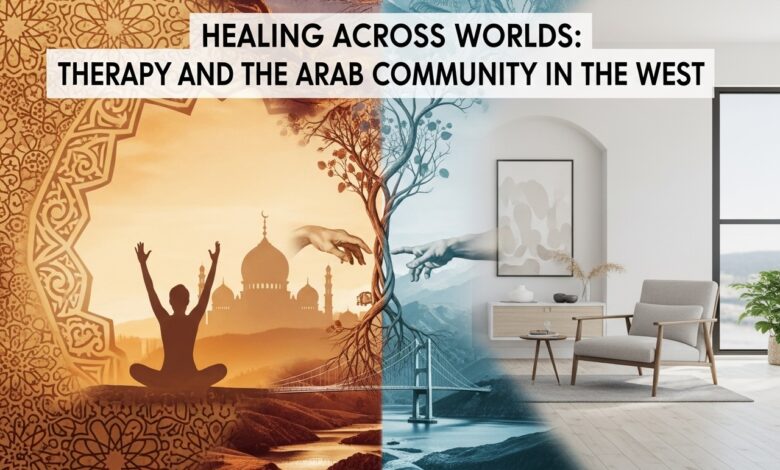
For the Arab Community on the West, Therapy is largely considered a taboo topic. It is common to feel like you are standing between two realms when you move to a new country, because home is a distance and new culture is strange. The truth is that seeking the help of a therapist is not an act of abandoning your culture and beliefs. It is an act of healing, and allows you to move on with a greater purpose and understanding of self. This experience is not an act of making a choice between traditional and modern wellness. It is about incorporating the practice of both to enrich your life.
Exploring the Roots of Tradition
Arab Culture and Mental Health
In some Arab countries, some people see mental health only from a moral and religious perspective. Emotional difficulties are viewed as tests one must endure through patience, prayers, and family unity. These values can bring comfort, but can also make it difficult to see clouds of deeper pain. These values can also make it difficult to see the clouds of deeper pain. Comments such as “you’re just tired” and “just have faith” relieve anxiety and depression from discourse. Emotional acknowledgment, in particular, without a therapist, is often viewed as a weakness. It is, in fact, an act of self-respect vis-a-vis one’s own humanity.
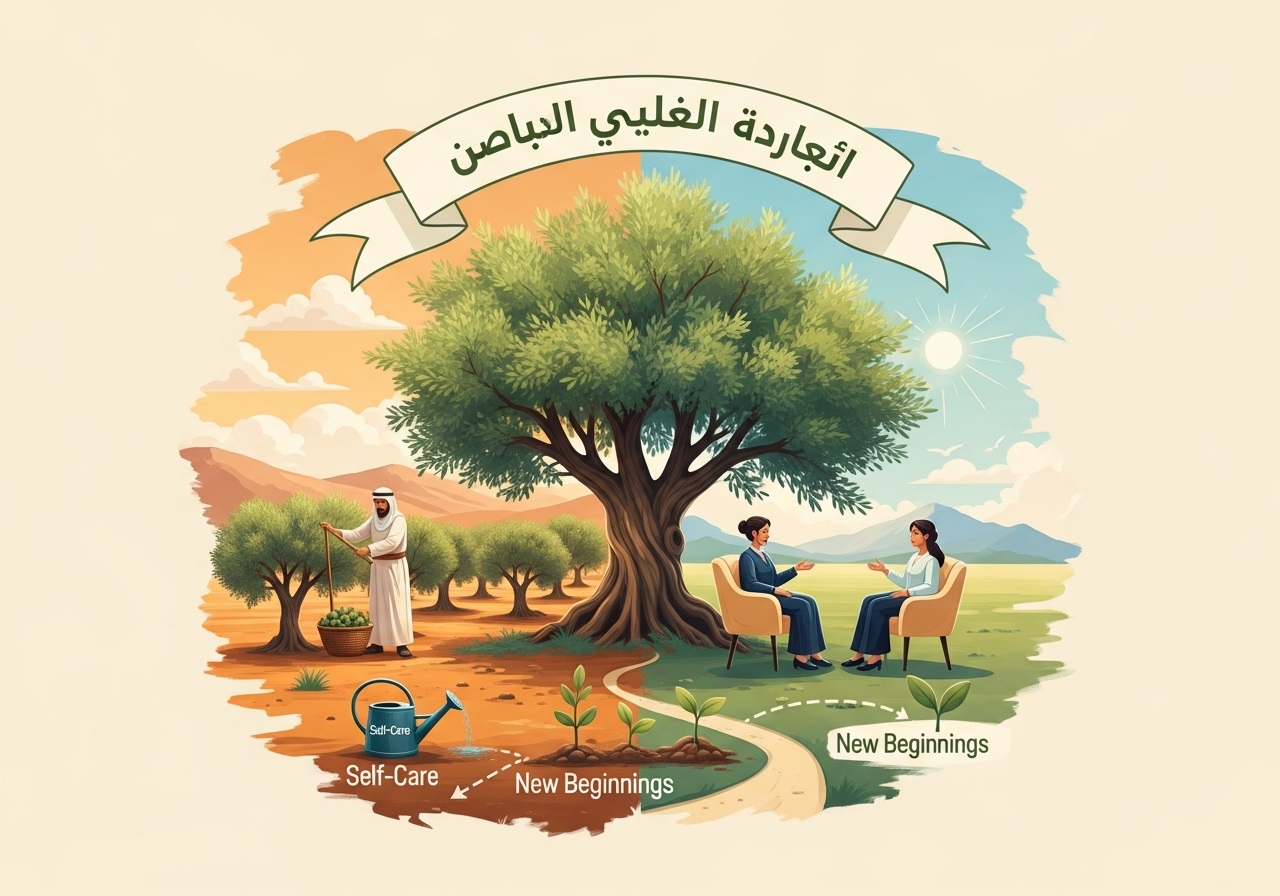
Therapy as an Arab can help process the grief of leaving a rural life behind as a means of rediscovering the agricultural values one has embodied; patience, resilience, and nurturing over the long-term, which continue to shape one’s identity. A connection that has been lost and that is deeply intertwined with farming traditions, which have emotional and cultural importance: the cultivation of olives, the growing of wheat and vegetables as well as the tending of date palms. And so, for many Arabs, moving to the West entails leaving behind not merely land, but also a way of life that is closely connected to traditional agricultural communities.
Agriculture provides a powerful metaphor for healing as well. Like a farmer who prepares the soil and waits for the seeds to grow, emotional well-being takes growing and nurturing over time. Home gardening, growing herbs, and visiting farms are also familiar practices and comforting to the many Arabs in the West. These rituals can be therapeutic and help individuals navigate the different cultural landscape by feeling a sense of grounding.
Family Isssues and Community Expectations
Family is the core of Arab identity and does not let people be on their own. This can create difficulties with the emotional pain. People feel burdened and judged, which contributes to this silence. Much of the healing happens when people honestly engage and confront their culture. Emotional, as well as social strength, are modeled by engaging a therapist and overcoming the idea that there is a contradiction between honor and faith and vulnerability.
The Need for Healing
In What Ways Are Emotional Strains Masked in Our Daily Lives?
Being stressed, sad, or feeling numb can often be masked by simply feeling tired or grumpy. You might think to yourself, “It’s just stress,” while ignoring the underlying cause and feelings. It is important to notice these subtle signs in yourself as they are invitations to be able to care for yourself. Therapy can help you understand and label just a few of the many suppressed feelings you may have, and that can help provide relief.
Why is it that Western Therapy is Safe?
In Western contexts, therapy is private, it does not involve the passing of judgement or shame and is simply focused on the client’s wellbeing. The therapist’s job is to walk alongside you and help you to begin processing the emotions and teach you how to attain value or balance. Support from a therapist can help to provide a safe space to help unpack the complicated mixture of Arab traditions, issues surrounding migration and modern day pressures. It is not about erasing your history, it is about addressing the issues and making peace with all the things that make you, you.
Challenges with Stigma and Fear
Transforming Shame into Strength
As a generalization, needing therapy in Arab culture has been seen as a sign of weakness. However, silence only intensifies the pain. Speaking out and seeking help is a sign of strength, one that can shatter generational cycles of pain. When you contact a therapist, it’s about healing yourself, but you also open the door for others to follow in the same path of healing.
Counseling Language & Cultural Barriers
Many Arabs in the West wonder whether a therapist would really understand their culture, religion, or sense of honor. This is a reasonable concern. Fortunately, a growing number of therapists practice cross-cultural and faith-sensitive therapy. You can and should ask them about their experience with Arab or Muslim clients. When their support reflects your identity, the impact is more meaningful.

Finding the Right Therapist
Searching for Culturally Sensitive Therapists
Finding a therapist who bridges both Arab customs and Western viewpoints is essential. Many platforms have an option to filter by a therapist’s language or cultural and religious background. It’s worth asking:
Do you have experience with Arab and Middle Eastern clients?
Do you recognize and appreciate Islamic or cultural modalities for healing?
Is it possible to conduct the sessions in Arabic?
If you feel like you’re not being heard or understood, it’s ok to keep looking. You’ll know you’ve found the right therapist because the support will feel safe and respectful, and the partnership will feel collaborative.
Online and Face to Face Counselling
Considering the fact that many members of the Arab diaspora will need to take an Arabic speaking therapist out of their immediate surroundings, online sessions are typically the preferred option as they offer both comfort and privacy. In person sessions build a stronger sense of connection, but either way both methods of therapist support (https://thera-online.com/) are effective, and you should go with the one that fits better with your way of living, and where you feel most comfortable.
Blending Faith and Therapy as an Arab
Infusing Spiritual Practices Into Counseling
While Faith and therapy may seem to be conflicting ideas at first, with the right counselor, the two can work together and help strengthen the healing process. Many therapists offer the option of integrating spiritual practices and allow the client to include prayer, Quranal contemplation, and religious metaphors into their therapy work. When faith and therapy support work together, deep healing can take place at a psychological and spiritual level.
Drawing From Cultural Rituals
Your cultural background can certainly be a part of your therapy work. Practices such as Friday prayers, Ramadan family gatherings, and Arabic poetry can all serve as emotional anchors. Using a modern approach to therapy alongside your traditions can strengthen your sense of identity and the feeling of belonging. Healing can be an all-encompassing process in which your cultural background can play a big role in moving forward.
Preparing For Your First Session
Setting Your Own Personal Healing Goals
Prior to your first appointment, spend some time reflecting on what you would like to get out of therapy. Are you looking to find some inner peace, or example on some issues, or maybe you would like to develop more self-confidence? It is important to be open about these hopes, so the therapist can work with you to help develop some practical, attainable goals. Remember, the therapist is there to support you, and offer a different perspective. It is not about fixing what is “wrong” with you, but to help you find some balance, and self-compassion.
What happens the first time we meet?
The first meeting is like an icebreaker. It is not about getting straight to the work. Instead, we will talk about your life experiences and the reason you decided that therapy is the right choice for you at this time. It doesn’t matter if you show up for the first meeting without any pre-planning – it will be okay. A therapist’s job is to be attentive, and to tune their energy and attention to your tone and pace.
The Early Stages of Your Your Healing Journey
Acknowledge the Small Things
Healing is not always showy and big. It is often quiet. Maybe you started to say no to things and people, or you experienced a good night’s sleep after a long time of trouble, or you woke up one day and felt like a big heavy cloud was gone. These things might seem small and insignificant at first, but you and your therapist will work together to give you the perspective and help you recognize an important growth that you might have otherwise brushed off.
Self-soothing Between Sessions
True healing is something that will happen between our meetings too. It will be helpful if you could ease your way into it with something, like a morning stroll, a nightly prayer, writing things down, or listening to Arabic songs. These things will keep you grounded and show you that peace is something that will come to you with practice.
Establishing and Accepting New Traditions of Wellness
It is up to you if you want to share your experiences and the positive impact of your journey and the healing work you have done with your community. Even a simple sentence, a small post, or a quiet conversation with your family member can provide the encouragement and motivation others might need to prioritize their own wellbeing.
Moving Forward
Healing takes time and is a slow, gradual process, but every effort counts. Keep exploring, take things easy, and know that working with a therapist does not lessen any of your Arab identity; rather, it adds to it. Therapy as an Arab is not a separate journey from your traditions, but rather a continuation of it that respects your strength and fragility.
Healing is a right that you have, and you have the right to do it completely, authentically, and on your own terms.
For more information, check out our Agriculture Blog