Home-Grown Hydroponics in India: Step-by-Step Setup for Beginners
Introduction
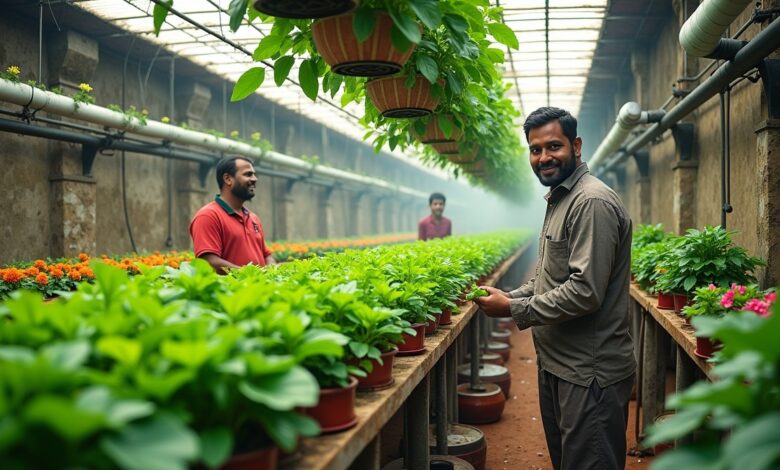
Urban homes in India often struggle with limited gardening space, yet the demand for fresh, pesticide-free vegetables is rising rapidly. Hydroponics, a soil-free farming technique, offers the perfect solution. Instead of soil, plants grow in nutrient-rich water, ensuring faster growth, healthier yields, and higher space efficiency. If you’ve ever wanted to grow leafy greens, herbs, or even tomatoes on your balcony or terrace, this step-by-step beginner’s guide to home-grown hydroponics in India will help you get started.
Why Hydroponics is Growing in India
Hydroponics is gaining traction among Indian urban gardeners because it is efficient, sustainable, and surprisingly easy to manage.
Benefits include:
- Space efficiency: Works even in small apartments.
- Water savings: Uses up to 90% less water than traditional farming (FAO).
- Faster yields: Plants grow 25–50% quicker.
- Safe produce: Free from harmful soil-borne diseases and pesticides.
Want to explore more modern farming techniques? Visit Fasal Bachao’s agriculture insights for detailed guides.
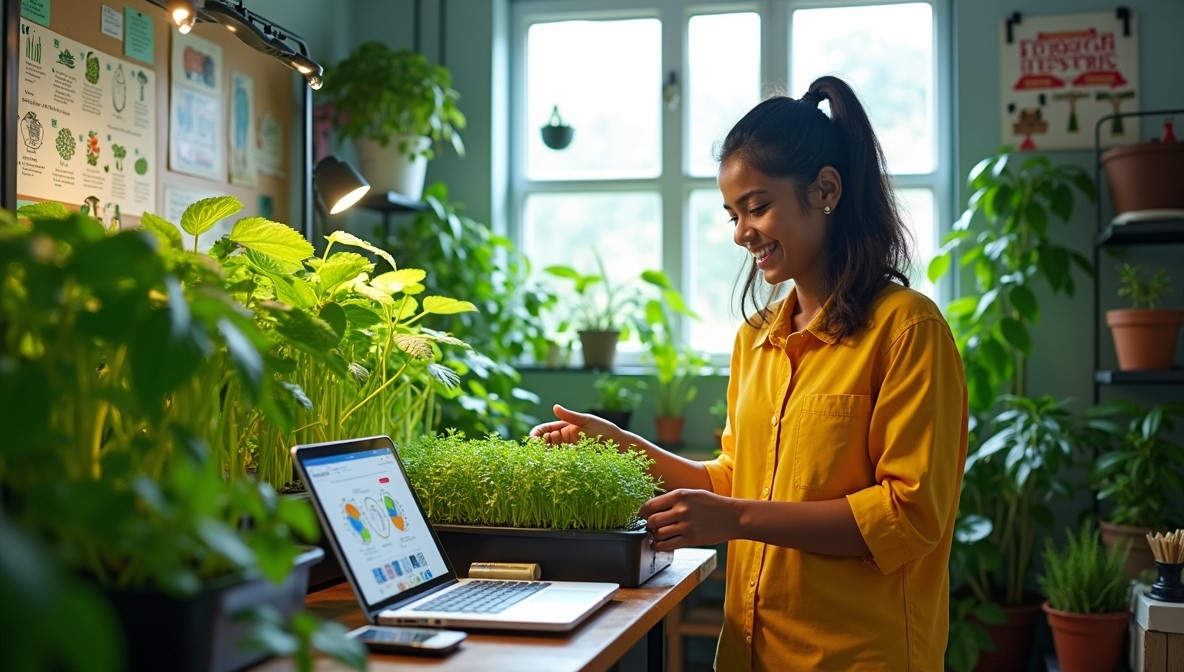
Home-Grown Hydroponics in India | Beginner’s Setup Guide
Step-by-Step Hydroponic Setup for Beginners
1. Choose a System
For beginners, three systems are most practical:
- Kratky Method: Low-cost, static water setup, no electricity.
- Deep Water Culture (DWC): Requires an air pump for better oxygenation.
- NFT (Nutrient Film Technique): A continuous flow system, great for leafy greens.
If you’re starting small, go with the Kratky method—it’s simple and budget-friendly.
2. Collect Materials
- A container or bucket with a lid
- Net pots to hold plants
- Growing medium (cocopeat, clay pellets, or perlite)
- Hydroponic nutrient solution
- pH testing kit (ideal pH: 5.5–6.5)
- Seeds such as lettuce, spinach, coriander, or basil
You also Read This Article for Hydroponic Setup
3. Setup Process
- Fill net pots with cocopeat or clay pellets.
- Insert seedlings or sow seeds.
- Prepare nutrient solution with clean water.
- Adjust pH between 5.5–6.5 (ICAR).
- Place net pots into the container so roots touch the water.
- Ensure 4–6 hours of direct sunlight or use LED grow lights.
4. Plant Choices & Growth Timeline
- Leafy Greens (Spinach, Lettuce, Fenugreek): Ready in 30–40 days.
- Herbs (Coriander, Mint, Basil): Continuous harvest possible.
- Fruiting Plants (Tomatoes, Cucumbers, Chilies): Take longer but yield more per cycle.
Common Mistakes to Avoid
Even though hydroponics is simple, beginners often face issues:
- Ignoring pH balance → Leads to nutrient deficiency.
- Using untreated tap water → Chlorine harms roots.
- Overcrowding plants → Restricts airflow and reduces yield.
- Skipping cleaning → Containers must be sanitized before reuse.
Cost of Starting Hydroponics in India
Hydroponics can be tailored to your budget:
- DIY Kratky setup: ₹1,000–₹2,000
- Small DWC kit: ₹3,000–₹5,000
- Advanced NFT systems: ₹10,000+
This flexibility makes hydroponics a practical choice for both hobbyists and serious growers.
Conclusion
Hydroponics is transforming urban gardening in India. With just a small investment, you can grow fresh, safe, and chemical-free vegetables right in your home—no soil required.
You can Also read More Realated Articles from Agzora.
FAQs
Q1. Can hydroponics work without electricity?
Yes, the Kratky method is electricity-free. Other systems like DWC and NFT need pumps.
Q2. What’s the easiest hydroponic crop for beginners?
Lettuce, spinach, and basil are easiest and fastest.
Q3. How safe is hydroponic food?
Completely safe—it is pesticide-free and nutrient-balanced when maintained properly.
✍Author Bio
Agzora Team
Agzora is a trusted Blogging platform for high-quality seeds, gardening supplies, and agriculture resources, helping farmers and gardeners grow smarter and more sustainably. From vegetable seeds to expert farming guides, Agzora empowers you to start your own green journey with confidence.
Learn more at Agzora.com