Seed Storage Secrets: How to Preserve High-Quality Seeds in India’s Diverse Climates
Introduction
India’s agriculture depends heavily on seed quality. Whether you are a farmer in Punjab storing wheat seeds or a gardener in Chennai saving tomato seeds, proper seed storage ensures better germination, higher yields, and reduced losses.
However, India’s diverse climates—humid coastal regions, hot plains, and dry deserts—make seed preservation challenging. This guide shares proven methods to store high-quality seeds effectively across different conditions.
Why Seed Storage is Important
Seeds are living organisms. If exposed to moisture, heat, or pests, their germination rate drops drastically. According to FAO, poor seed storage is one of the leading causes of crop loss globally.
Key benefits of proper seed storage:
- Maintains high germination rates
- Protects seeds from fungi and pests
- Preserves nutrient reserves within seeds
- Reduces need for frequent seed purchases
To learn more about sustainable farming practices, visit Fasal Bachao’s agriculture insights.
Factors Affecting Seed Storage in India
1. Temperature
Seeds last longer in cool conditions. Excess heat (common in Rajasthan or Telangana) speeds up deterioration.
2. Moisture
Humidity is a major challenge in coastal states like Kerala or West Bengal. Seeds absorb moisture from the air, leading to fungal growth.
3. Storage Container
Open sacks or plastic bags are easily infested by insects. Airtight jars, metal tins, or sealed pouches work better.
4. Seed Type
- Cereals & Pulses: Store well under dry, cool conditions.
- Oilseeds: More sensitive, require extra care.
- Vegetable Seeds: Shorter shelf life, need airtight storage.
Step-by-Step Guide to Preserve High-Quality Seeds
Step 1: Dry the Seeds Properly
- Dry seeds under shade (not direct sun).
- Moisture content should be around 8–10%.
- For small batches, place seeds in a cloth bag with silica gel or ash to absorb moisture.
Step 2: Choose the Right Container
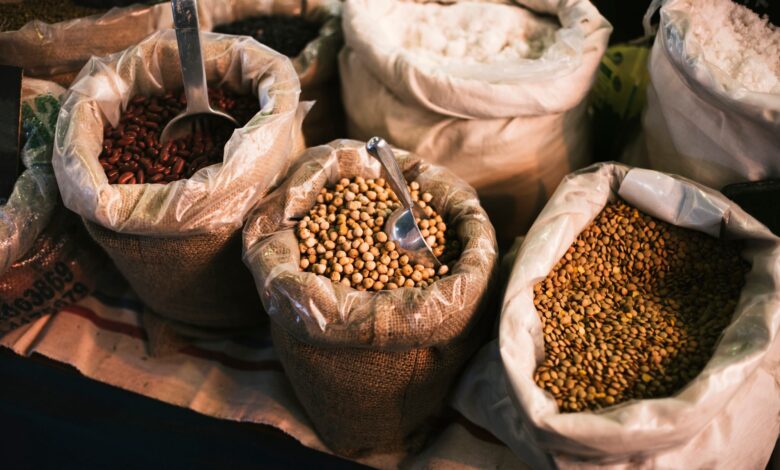
- Glass jars with tight lids – Best for small farmers and gardeners.
- Metal tins or sealed plastic bottles – Protect against rodents.
- Vacuum-sealed pouches – Ideal for long-term storage.
Step 3: Store in Cool, Dry Places
- Use underground pits or earthen pots in hot regions.
- In humid zones, add natural desiccants like lime or charcoal inside containers.
- For larger farms, cold storage is ideal (ICAR seed storage guide).
Step 4: Protect from Pests
- Mix seeds with neem leaves or ash for natural protection.
- Check regularly for weevils or fungi.
- Rotate storage stock—use older seeds first.
Last Step 5: Label and Record
- Always mark seed type, variety, and storage date.
- Maintain records for germination tests.
Pro Tip: Conduct a germination test every 6 months to check seed viability.
Seed Storage Methods for India’s Diverse Climates
- Humid Regions (Kerala, Bengal): Use airtight jars + desiccants (silica gel).
- Dry Regions (Rajasthan, Gujarat): Underground storage or earthen pots maintain coolness.
- Temperate Hills (Himachal, Uttarakhand): Naturally favorable—still use sealed tins to prevent rodent attack.
Shelf Life of Common Seeds in India
| Seed Type | Storage Life (Approx.) |
| Wheat, Maize | 2–3 years |
| Paddy (Rice) | 1–2 years |
| Pulses (Dal) | 1–2 years |
| Vegetable Seeds | 6–12 months |
| Oilseeds (Mustard, Groundnut) | 6–9 months |
Learn More About Seeds from Agzora.
Common Mistakes in Seed Storage
- Storing seeds in damp rooms.
- Using plastic bags without sealing.
- Mixing old and new seed lots.
- Skipping periodic germination tests.
Conclusion
India’s diverse climates make seed storage challenging, but with the right methods—drying, airtight containers, pest control, and regular testing—you can preserve high-quality seeds for longer periods.
Whether you’re a farmer or home gardener, adopting these simple seed storage secrets will ensure healthy crops and reliable harvests year after year.
FAQs
Q1. Can seeds be stored in a refrigerator?
Yes, but they should be sealed in airtight containers to avoid moisture damage.
Q2. What is the best natural preservative for seeds?
Neem leaves, ash, or turmeric powder can help protect seeds from pests.
Q3. How long can vegetable seeds last in India?
Most vegetable seeds last 6–12 months if stored properly.
✍Author Bio
Agzora Team
Agzora is a trusted Blogging platform for high-quality seeds, gardening supplies, and agriculture resources, helping farmers and gardeners grow smarter and more sustainably. From vegetable seeds to expert farming guides, Agzora empowers you to start your own green journey with confidence.
Learn more at Agzora.com