Organic Food Shop UK: From Farm Field to Certified Shelf
A jar of organic flour on a shelf has a long history behind it. A farmer rotated crops for years, an inspector walked the fields, a mill kept organic grain separate from conventional grain, and a certifier signed off each step. A good shop makes that history visible. This guide follows the chain from field to shelf and shows which details on a pack prove a genuine organic food shop.
In short:
- The UK farmed 540 thousand hectares organically in 2025, up 7.3% on 2024.
- Every business that processes, packs or sells organic food needs an approved control body behind it.
- The certifier code, origin statement and producer name on a product page matter more than any shop-wide banner.
What does “organic” mean on the farm?
Organic farming is a production system. UK organic food is made with sustainable farming practices that avoid synthetic pesticides and fertilisers. Farmers replace those inputs with management:
- Crop rotation: alternating cereals, legumes and grass breaks pest cycles and rebuilds fertility.
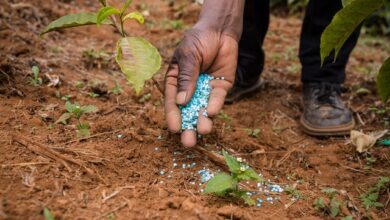
- Legumes and cover crops: these fix nitrogen from the air instead of relying on bagged fertiliser.
- Mechanical weed control: tillage, hoeing and timing replace herbicides.
- Conversion period: land has to be managed organically for a period before its produce can be sold as organic, so the shelf reflects decisions made years earlier.
Pests are handled the same way, by prevention first. Healthy soil, varied rotations and beneficial insects do most of the work, and you can see how this works in practice in our guide to organic pest control for protecting crops without synthetic sprays.
Research supports the soil benefits. A University of Greenwich study published in the Journal of Applied Ecology compared 60 wheat fields and found that organic management gave the best overall soil health (+47%) but the largest yield gap (−34%) compared with conventional farming. That trade-off explains why organic wheat costs more and why range and sourcing matter.
Rotation can narrow the gap. In a legume-rich ley system reported in Frontiers in Plant Science, wheat yielded 7.2 to 8.3 t/ha, which is 92 to 106% of the 2018 UK average, while using only 25% of the average nitrogen fertiliser. Good rotation planning matters as much as the organic label.
How big is organic farming in the UK?
Defra’s organic farming statistics for 2025 show a growing but changing sector:
- Land in conversion rose 63% to 79 thousand hectares, which points to further growth.
- Organic cereals covered 50 thousand hectares (9.3% of organic land), and organic vegetables including potatoes covered 10 thousand hectares.
- The number of organic operators fell 2.5%, from 5,133 to 5,004, even as land area increased, as The Grocer reported.
On the demand side, Defra’s action plan highlights UK organic retail sales of £3.9 billion, annual growth of 4.2%. Fewer, larger operators are supplying a market that is still growing, so traceability matters when you choose where to buy.
How does organic certification work?
Certification covers the whole chain, not only the farm. Under UK law, any company processing, packing or selling organic food, or importing it from outside the UK, must have its systems inspected and certified by a Defra-approved control body.
On the label, GOV.UK’s labelling rules set the line at 95%: a product containing less than 95% organic agricultural ingredients cannot carry the full organic claim. The checks are themselves checked: accreditation bodies such as UKAS oversee them, and UK certification bodies report regularly to Defra.
Each approved body has its own identifying code, which appears on certified packs:
| Control body | Code |
|---|---|
| Organic Farmers & Growers | GB-ORG-02 |
| Organic Food Federation | GB-ORG-04 |
| Soil Association Certification | GB-ORG-05 |
| Biodynamic Association Certification | GB-ORG-06 |
| Quality Welsh Food Certification | GB-ORG-13 |
Northern Ireland uses its own XI-prefixed codes. Defra’s approved control body list is the place to confirm any code you are unsure about.
What should a good organic food shop stock?
A shop earns trust through its range. Enough everyday lines let you fill a weekly basket without going back to the supermarket. For a farming reader, grain-based staples show the system best. A real range of organic products should include grains, pulses, oils, pasta and free-from lines, each traceable to a named producer.
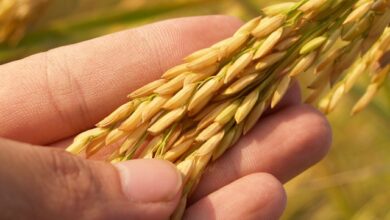
Flour is a useful test case. Wheat is a simple crop with a short ingredient list, so the certifier code and origin statement tell you nearly everything. Wholemeal, spelt and rye are worth looking for because they are harder to find in a standard supermarket. A dedicated range of organic flours lets you compare milling styles and grain types in one place.
Organic shop or supermarket aisle?
| Specialist organic shop | Supermarket organic aisle | |
|---|---|---|
| Range | Wide, including speciality grains and free-from lines | Fast-selling lines only |
| Certification info | Usually full producer and certifier detail | Varies by product |
| Mixed shelves | Organic is the default | Organic and conventional sit side by side |
| Best for | Full organic weekly basket | Occasional organic top-ups |
How do you check a genuine organic food shop?
Certification belongs to each product, not to the shop. When you assess an organic food shop in the UK, open two or three product pages and run through five checks:
- Certifier code: a recognised code such as GB-ORG-05 should be visible.
- Origin statement: it should say where the ingredients were grown.
- Ingredient list: the organic ingredients should be marked as such.
- Badge placement: the claim should sit on the product, not only on a site-wide banner.
- Named producer: the claim travels with the producer’s certificate, so the name matters.
Supply chains add risk. Organic food often passes through importers, distributors, processors and retailers, and certification must be verified and traceability kept at each step, as Foodism’s sourcing guide points out. Pages that show their sources have usually done that verification.
Frequently asked questions
Is organic food better for the soil?
Evidence points that way. The Greenwich wheat-field study found a 47% soil-health advantage for organic management, though with lower yields.
Does “organic” mean pesticide-free?
Not exactly. Organic systems avoid synthetic pesticides and fertilisers, but they are not input-free, and approved natural methods still exist.
What does the certifier code on a pack mean?
It identifies the Defra-approved body that inspected the business, which lets you confirm the claim.
Is “natural” the same as organic?
No. “Natural” is not a certification, while organic claims are backed by inspection.
Why is organic flour more expensive?
Lower yields, longer rotations and certified milling and packing all add cost.
Can a small online shop be trusted?
Judge it by the pack and product page, not the shop’s size. The code, origin statement and producer matter most.
Is organic farming growing in the UK?
Yes. Land area rose 7.3% in 2025, with a 63% jump in land in conversion.