Agricultural Hoses: A Practical Guide to Choosing, Using and Maintaining Them
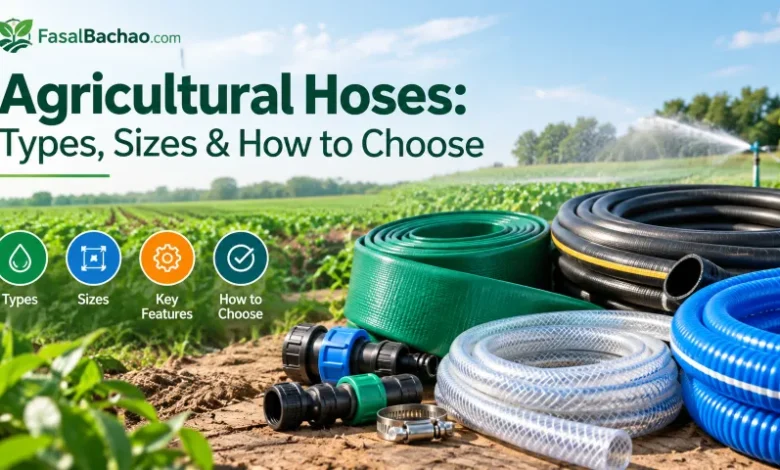
Walk around any working farm and you will find hoses everywhere. They carry water from the pump to the field, move liquid fertilizer to the sprayer, and push slurry across a paddock. When one fails halfway through an irrigation cycle, everything stops until it is replaced.
Yet most people buy a hose the way they buy a garden hose: they look at the price and the length, and that’s it. On a farm that usually ends badly. A hose that is too thin wastes pump energy. A hose with the wrong pressure rating bursts. One left in the sun all summer cracks within a season or two.
This guide covers what you need to pick the right agricultural hose and keep it working for years.
What Is an Agricultural Hose?
An agricultural hose is a flexible tube built to move liquids, and sometimes air or solids, around a farm. It differs from a household hose in what it has to survive: heavy pressure, UV exposure, dragging over rough ground, contact with fertilizers and crop-protection chemicals, and temperature swings.
Typical jobs include:
- Moving water from a well, canal or tank to the field
- Feeding drip lines, sprinklers and travelling irrigation machines
- Delivering liquid fertilizer through fertigation systems
- Spraying crop protection products
- Spreading slurry and liquid manure
- Washing produce and cleaning equipment after harvest
- Ventilating barns and moving feed or seed in some setups
Main Types of Agricultural Hoses
There isn’t one best hose. The right one depends on whether you are pushing water out, pulling it in, or spraying something.
| Hose type | What it does | Best for | Watch out for |
|---|---|---|---|
| Layflat (PVC, PE or rubber) | Collapses flat when empty, rounds out under pressure | Moving water long distances, temporary irrigation, supply to drip lines | Not meant to be buried; can kink or abrade if dragged |
| Spiral suction hose | Reinforced with a rigid spiral so it won’t collapse under vacuum | Pump intake from wells, ponds, canals | Heavier and stiffer; poor choice for discharge over long runs |
| Rubber agricultural hose | Thick, abrasion-resistant, often rubber-covered | Rough ground, slurry, repeated heavy use | Costs more and weighs more |
| Drag hose | Heavy-duty, reinforced for being pulled across fields | Liquid manure, slurry application | Needs strong couplings and careful handling |
| Spray hose | Smaller bore, flexible, chemical resistant | Sprayers, pesticide and herbicide application | Check chemical compatibility before use |
| PVC garden-type hose | Light, flexible, cheap | Small plots, greenhouses, washing down | Not built for high pressure or constant sun |
| Polyethylene (PE) tubing | Rigid-ish flexible tube | Drip and micro-irrigation mainlines and laterals | Needs proper fittings; can be damaged by rodents |
If you only remember one thing from this table, remember this: use suction hose for the pump inlet and layflat for the outlet. Mixing them up is one of the most common beginner mistakes.
Materials: What Your Hose Is Actually Made Of
The material decides how long the hose lasts and what it can carry.
| Material | Strengths | Weaknesses | Typical use |
|---|---|---|---|
| PVC | Light, affordable, easy to handle | Can stiffen in cold and degrade with long sun exposure if not UV-stabilized | General irrigation, light-duty transfer |
| Polyethylene (PE) | Flexible, good UV and chemical resistance | Lower pressure tolerance in some grades | Drip systems, mainline tubing |
| Rubber (EPDM, NBR blends) | Tough, abrasion-resistant, handles heat and chemicals well | Heavy, more expensive | Slurry, drag hose, rough terrain |
| TPU (polyurethane) | Very good wear resistance, light for its strength | Higher price | Heavy-duty layflat and high-wear jobs |
| Reinforced textile layers | Add burst strength and reduce stretching | Quality varies a lot between makers | Inside layflat and rubber hoses |
Specialist manufacturers also make irrigation hoses and tubing in several compounds for different crops and conditions. If you want to see how wide that range gets, Parsch’s range of modern irrigation hoses, agricultural hoses and irrigation tubing is a useful reference.
How to Choose the Right Agricultural Hose
Go through these questions in order. They narrow the options quickly.
1. What is flowing through it?
Clean water is easy. Fertilizer solutions, pesticides and slurry need compatible materials. Check the manufacturer’s chemical resistance information, not just the word “agricultural” on the label.
2. Is it pushing or pulling?
Pulling water in from a source means suction, so you need a hose that won’t collapse. Pushing water out means discharge, so layflat or rubber usually works.
3. What pressure will it face?
Look at your pump’s output pressure and choose a hose with a working pressure comfortably above it. Pressure spikes happen when valves close quickly, so don’t buy a hose that only just meets the number.
4. How long is the run, and what diameter do you need?
Longer runs lose more pressure to friction. A narrow hose over a long distance makes a good pump look weak. Size up when in doubt.
5. What is the ground like?
Smooth, grassy fields are easy on hoses. Stony, dry or uneven ground chews through thin walls. Choose rubber or a heavier build there.
6. Is it permanent or temporary?
Temporary layouts that get rolled up each season suit layflat. Permanent buried lines are normally better served by rigid pipe.
Sizing: Diameter and Flow
Diameter is the biggest factor in how well your system performs. The table below shows roughly how much water different inner diameters can carry at a moderate flow speed of about 1.5 metres per second, which is a sensible target to keep friction losses and wear under control.
| Inner diameter | Approx. flow (m³/hour) | Approx. flow (gallons/minute) | Common use |
|---|---|---|---|
| 25 mm (1 in) | ~2.7 | ~12 | Small plots, spray lines |
| 50 mm (2 in) | ~10.6 | ~47 | Small-farm irrigation, livestock water |
| 75 mm (3 in) | ~24 | ~105 | Medium irrigation supply |
| 100 mm (4 in) | ~42 | ~187 | Larger field supply, slurry |
| 150 mm (6 in) | ~95 | ~420 | High-volume transfer, large systems |
These are estimates for planning. Real performance depends on hose length, fittings and pump head.
If you already know your pump’s output, you can work out what your water source can actually deliver with a tube well discharge calculator. Then match your hose diameter to that figure rather than guessing. Many farmers find that the source is the real bottleneck, not the hose.
Pressure Ratings at a Glance
Colors and labels vary by brand, so always read the printed rating on the hose itself.
| Hose class | Typical working pressure | Where it fits |
|---|---|---|
| Light-duty PVC layflat | About 3 to 7 bar (roughly 45 to 100 psi) | Garden, light irrigation, temporary supply |
| Heavy-duty PVC layflat | About 5 to 10 bar (roughly 70 to 145 psi) | Field irrigation, sustained use |
| Rubber layflat | Up to 10 bar and above, depending on build | Rough ground, repeated use |
| Spray hose | Varies by product, often higher bore pressure | Sprayers and applicators |
A simple rule: pick a hose rated at least 25 percent above your normal operating pressure, and more if your system sees sudden pressure surges.
Fittings and Couplings: The Part People Forget
A good hose with a bad connection is still a bad setup. Most leaks and blowouts happen at the ends, not in the middle.
- Camlock couplings are quick to connect and disconnect by hand, which suits farm work where the layout changes.
- Barbed fittings with clamps work well on layflat. Use a proper hose clamp or band and tighten evenly.
- Compression fittings are common on PE tubing for drip and micro-irrigation.
- Material match matters. Aluminum, brass, stainless and plastic fittings behave differently with fertilizer and pesticides, so pick fittings that tolerate what you pump.
For permanent lines or places where you need rigid, long-lasting connections, many growers move to metal piping. If you are weighing that option, our guide to stainless steel pipes in agriculture explains where rigid pipe does the job better than a hose.
Where Hoses Fit in a Modern Irrigation System
Hoses are rarely the whole system. Usually they link the pump, filters, valves, mainlines and the final emitters or sprinklers. On a well-planned farm they move water to where fixed pipes and drip lines take over.
If you are upgrading from flood irrigation or building something new, it helps to see how hoses connect with timers, sensors and pressure control. Our article on implementing advanced irrigation systems walks through the bigger picture, and your hose choices will make more sense once you see how the full system fits together.
Water source also matters. More farms are reusing treated water to cut costs and protect local supplies. If that applies to you, read about wastewater treatment equipment for sustainable agriculture, and check that your hoses and fittings suit the water quality you end up with.
Installation Tips That Save Money
- Lay hoses out straight before filling. Twisted hose will kink and wear at the twist.
- Fill slowly. Open valves gradually to avoid water hammer.
- Keep hose off sharp stones, metal edges and machinery paths where you can.
- Support heavy hose at bends instead of letting it hang.
- Don’t drag a layflat hose across rough ground if you can lift or reroute it.
- Keep connections accessible so you can spot leaks early.
Maintenance and Inspection
Hoses give warning before they fail if you look. A quick check at the start of each season, and a lighter check each month during heavy use, catches most problems.
| What to check | What to look for | What to do |
|---|---|---|
| Outer surface | Cracks, deep scuffs, soft spots, bulges | Replace or cut out damaged sections |
| Couplings and clamps | Loose fit, rust, leaks, corrosion | Re-tighten or replace |
| Hose ends | Fraying, splits near fittings | Trim and refit, or replace |
| Flow and pressure | Weak flow, unusual pressure drop | Check for blockage, kinks or leaks |
| Internal condition | Residue, algae, scale buildup | Flush with clean water |
| Storage condition | Moisture, sunlight, rodents | Dry, coil loosely, store in shade |
After each use
- Drain the hose completely.
- Flush with clean water if it carried fertilizer or chemicals.
- Let it dry in the shade.
- Roll or coil it without sharp bends.
- Store off the ground, away from direct sun and chemical containers.
Lifespan has no fixed number. It depends on how the hose is used and cared for, and a well-treated hose can serve for several seasons.
Common Problems and Quick Fixes
| Problem | Likely cause | Fix |
|---|---|---|
| Hose bursts | Pressure too high, aged material, or surge | Use a higher rating, open valves slowly, replace old hose |
| Weak flow at the end | Hose too narrow or too long, leaks, partial blockage | Increase diameter, check joints, flush the line |
| Hose collapses on the intake | Using a layflat hose for suction | Switch to spiral suction hose |
| Cracks and stiffness | UV damage or cold | Store in shade, use UV-stabilized hose |
| Frequent leaks at the ends | Wrong fitting or poor clamping | Match fittings to the hose and tighten correctly |
| Hose wears through quickly | Dragging on rough ground | Use rubber or reinforced hose, reduce dragging |
Safety and Environmental Care
- Wear gloves and eye protection when handling hoses that have carried chemicals.
- Don’t use the same hose for pesticides and for anything that touches drinking water or food crops unless it is clearly rated and thoroughly cleaned.
- Keep spill kits handy where you mix and load.
- Replace worn hoses used for chemicals promptly, since leaks mean wasted product and possible contamination.
- Dispose of old hoses responsibly. Some rubber and plastic hoses can be recycled through local programs.
Buying Checklist
Before you pay, confirm these:
- Hose type matches the job (suction, layflat, spray, drag)
- Inner diameter fits your flow needs
- Working pressure is comfortably above your system pressure
- Material suits the liquid you carry
- UV and weather resistance suit your climate
- Fittings are compatible and available locally
- Length covers the run without too many joins
- Supplier gives clear specs and warranty
Frequently Asked Questions
What is the best agricultural hose for irrigation?
For temporary or seasonal field irrigation, a good PVC or rubber layflat hose is usually the best balance of cost and convenience. For permanent lines, rigid pipe or PE tubing is often better.
What is the difference between layflat and suction hose?
Layflat hose collapses when empty and is meant for pushing water out under pressure. Suction hose has a rigid reinforcement so it keeps its shape while pulling water in.
Can I use a garden hose on the farm?
For small jobs like washing down or watering a greenhouse, yes. For field irrigation, spraying or anything under real pressure, a garden hose will wear out fast and may fail.
How long do agricultural hoses last?
It varies with material, sun exposure, pressure and how you handle them. Good storage and regular checks make the biggest difference.
How do I know what size hose I need?
Start with your pump’s flow rate and the distance the water must travel. Choose a diameter that keeps the water moving at a moderate speed, then check the table above.
Can one hose carry both water and fertilizer?
Often yes, if the material is compatible with the fertilizer solution. Flush it with clean water afterward and check the manufacturer’s guidance.
Why does my hose lose pressure over a long run?
Friction inside the hose, extra fittings, leaks and narrow diameters all reduce pressure. A larger diameter is usually the simplest fix.
Are layflat hoses suitable for burying?
Generally no. They are designed for surface use. Use rigid pipe for underground lines.
Final Thoughts
A good agricultural hose is not exciting, and that is the point. When the type, size, pressure rating and fittings all suit the job, you don’t think about it. When any of them is off, you spend a season fixing leaks and wondering why the pump seems weak.
Start by defining the job, size the hose to your real flow, choose a pressure rating with some margin, and spend a few minutes inspecting it each season. Those four habits will save you more money than any brand name.