How Car Rental Services Help Agribusinesses Get Through Harvest Season
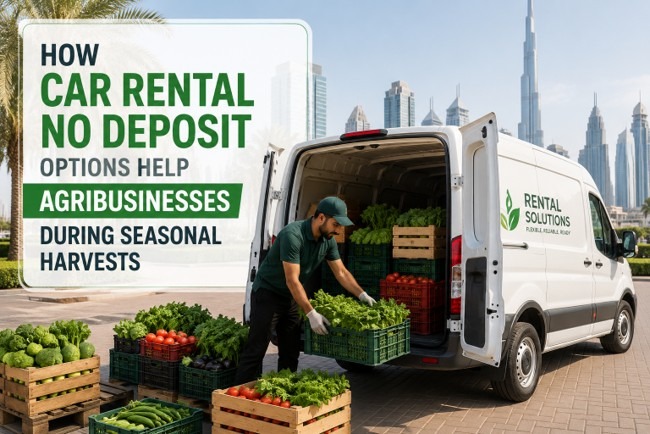
Harvest season is always a bit of a scramble. Crops need to come in fast, workers need to get from field to field, and someone’s always driving out to check on a site three farms away. Transportation quietly becomes the thing that decides whether the season runs smoothly or turns into a mess of delays — and the numbers back that up. Research on postharvest losses shows nearly 79% of total crop loss along the market chain happens during transport to market and the handling that follows, and separate estimates put global postharvest losses from supply chain issues at around 13% of the world’s food supply. Transportation isn’t a side issue during harvest — it’s one of the biggest levers a farm has over whether crops actually reach the buyer in sellable condition.
A lot of agribusinesses used to deal with this by just buying more vehicles. But a truck that only earns its keep for six or eight weeks a year is a strange thing to own outright — insurance, servicing, storage, all of it running twelve months for a vehicle that works two. That’s why more operations are leaning on rentals instead, including Car rental no deposit options that let them add vehicles fast without tying up cash they’d rather spend on the harvest itself.
Why the Cost of Delay Is Higher Than Most Farmers Think
It’s easy to treat a transport delay as a minor inconvenience. The data suggests otherwise. Depending on the crop, post-harvest handling losses for vegetables run 20-40%, and for fruits 30-40% — much of it tied directly to how long produce sits in transit and how it’s handled along the way. A separate study on grape farmers found that using an appropriate mode of transportation cut losses by nearly 8%, while proper storage cut them by close to 66% — and that every extra unit of distance to market added measurable loss on its own.
Weather adds another layer. A large-scale study tracking over a million truckloads of tomatoes found that hot temperatures combined with heavy traffic during transit roughly doubled damage rates compared to the best-case conditions. In other words, a truck stuck in traffic on a hot afternoon isn’t just late — it’s actively costing quality.
For a harvest operation, this means the vehicle isn’t just a way to move crops. It’s directly tied to how much of that harvest actually turns into income.
Why Farm Transportation Needs Don’t Stay the Same All Year
Most industries have fairly steady transport needs. Farming doesn’t work that way. Planting and harvest bring a spike in demand that the rest of the year just doesn’t need. Keep a fleet big enough for harvest, and for most of the year you’re paying to store vehicles that are barely moving.
Renting flips that around. You bring in extra vehicles for the weeks you actually need them, then hand them back once the rush is over. For farms running multiple sites, or ones that bring in seasonal labor, this ends up being a much cleaner way to match transport capacity to what’s actually happening on the ground.
Here’s roughly how the two approaches compare over a typical year:
| Approach | Cost Outside Harvest | Cost During Harvest | Flexibility | Best Fit |
|---|---|---|---|---|
| Owning a full fleet | High (idle costs) | Moderate | Low | Large, year-round operations |
| Renting seasonally | None | Moderate to high | High | Most small and mid-size farms |
| Mixed (own core + rent extra) | Moderate | Moderate | High | Growing operations with steady base needs |
| Relying entirely on hired transport | None | High, per trip | Low | Very small or occasional shipments |
Looked at this way, renting for the peak months tends to land in the sweet spot — you’re not paying for vehicles that just sit there the rest of the year, but you’re also not stuck scrambling for hired transport every time something needs to move.
Keeping Harvest on Schedule
Timing matters more during harvest than almost any other point in the year. Field-level data on grape production found that delayed harvesting alone increased losses by nearly 22% — often because producers were trying to time transport or cut costs, not because the crop wasn’t ready. That’s the trap: waiting for a truck to become available can end up costing more than the transport itself would have.
Extra vehicles during harvest help supervisors actually coordinate their teams instead of waiting around, and let field workers reach spots that would otherwise be a hassle to get to. It’s not just core farm staff either — agricultural consultants, equipment technicians, and quality inspectors moving between multiple farms during the busiest weeks all rely on having something reliable to drive. When mobility isn’t a bottleneck, decisions get made faster and communication across the whole operation just works better.
Keeping Costs Under Control When Money’s Tight
Harvest season is also when cash flow gets tricky. Income tends to arrive in a lump after the harvest sells, but expenses ramp up before that. Buying vehicles at exactly this point adds pressure at the worst possible time.
Renting instead means that money stays free for things that matter more in the moment — extra labor, irrigation, crop protection, whatever the season actually calls for. It also means someone else is dealing with maintenance and depreciation, which is one less thing to manage during an already busy stretch.
Covering Multiple Sites Without Losing Time
Bigger operations often span several farms or production sites, and someone’s constantly driving between them to check on progress or coordinate schedules. If there aren’t enough vehicles to go around, that job gets a lot slower, and slow decision-making during harvest tends to cost more than people expect.
With rented vehicles filling the gaps, transportation can be shifted to wherever it’s needed that week, without anyone having to fight over a limited number of trucks.
Making Life Easier for Seasonal Workers
Harvest almost always means bringing on extra hands, and those workers need to get from where they’re staying to wherever they’re working, sometimes more than once a day. Reliable transport keeps them on time and takes one source of stress off their plate — which, in rural areas especially, matters a lot given how limited public transport usually is out there.
A few things are worth thinking through before choosing rental vehicles for this kind of work:
| Consideration | Why It Matters | What to Watch For |
|---|---|---|
| Rental duration options | Harvest length varies by crop and region | Short-term-only providers that don’t cover longer seasons |
| Vehicle type available | Workers, produce, and equipment all need different setups | Renting one vehicle type for every use case |
| Deposit and payment terms | Cash flow is already tight during harvest | Providers requiring large upfront holds |
| Local support and service | Breakdowns during harvest can’t wait | Rental companies without nearby support |
| Insurance coverage | Farm roads and cargo increase risk | Assuming standard coverage is enough |
Keeping the Supply Chain Moving
Harvest isn’t just about pulling crops out of the ground. Produce still has to get to storage, packing, and eventually buyers, and that whole chain depends on people being able to move — to check on facilities, sort out problems before they become bigger ones, and stay in touch with suppliers and logistics partners.
This matters even more in regions with limited cold-chain infrastructure. Industry analysis of postharvest losses in emerging markets points to rice postproduction losses of 20-30% for smallholder farmers in parts of Asia, much of it tied to gaps between harvesting and getting grain safely to a mill. Reliable, on-demand transport is one of the more practical ways to close that gap without needing a full infrastructure overhaul.
Longer Rentals for Longer Projects
Not every harvest wraps up in a couple of weeks. Some crops and regions mean operations that run for months, and for those, a short-term rental doesn’t really cut it. Longer rental arrangements give consistent access to a vehicle for the whole stretch, which matters for consultants and project managers who are on-site for the long haul.
This comes up often for people working between the Gulf and agricultural regions abroad — international consultants or logistics coordinators, for instance, who might use a van rental to get around locally before or after traveling for the project, without needing to own a vehicle in a country they’re only working in temporarily.
Also check out how used vehicles help farmers also
Where This Is All Heading
Agriculture keeps changing — better irrigation, more precise crop monitoring, smarter planning tools — and transportation is quietly shifting along with it. More operations are realizing that having access to a vehicle when they need it matters more than owning one that mostly sits idle, especially given how directly transport quality ties back to how much of the harvest actually survives to market.
For agribusinesses trying to stay lean while still being ready for whatever harvest throws at them, renting is turning out to be less of a stopgap and more of an actual strategy. It keeps cash free, keeps fleets flexible, and means the operation is never stuck without transportation exactly when it matters most.