How Used Vehicles Help Small Farmers Cut Down on Transportation Costs
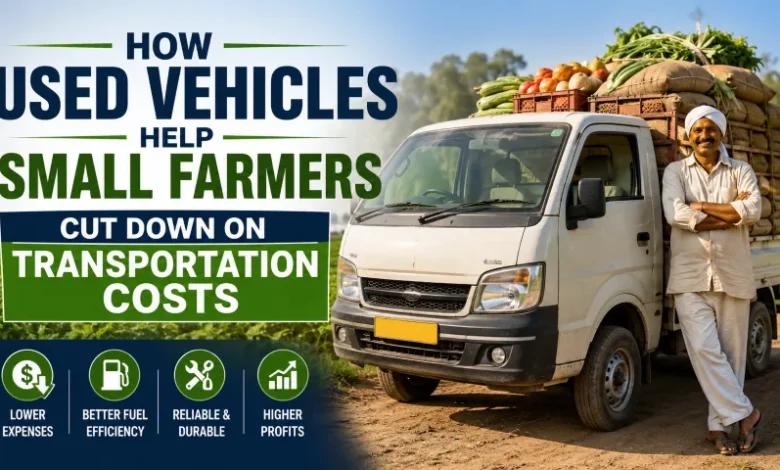
Ask any small farmer what eats into their profit the most, and transportation usually comes up pretty fast. Getting seeds and fertilizer in, getting produce out — none of it happens without a vehicle you can count on. The trouble is, new trucks and vans cost a lot, and most small farms just don’t have that kind of cash sitting around. That’s the real reason so many farmers end up looking into buying used cars instead. It’s not a compromise so much as it’s the only option that actually fits the budget.
And honestly, once you start looking at it closely, a used vehicle often makes more sense than a new one anyway — at least for farm work, where a vehicle is going to get dirty, loaded up, and driven on rough roads regardless of how much it cost.
Why Transportation Costs Hit Small Farms So Hard
Farming runs on movement. Before anything gets planted, someone has to haul in seed, tools, irrigation pipe. Once harvest starts, the clock is ticking — crops don’t wait around, and neither do buyers.
If a farmer doesn’t own a vehicle, they’re paying someone else every single time something needs to move. Those delivery fees might not look like much on their own, but add them up over a season and they start cutting seriously into margins that were already thin to begin with. Fuel prices only make this worse year over year.
Owning a vehicle flips that. You move things on your schedule, not whenever a transport company has a slot open.
Here’s a rough comparison of how the common options stack up for a small farm:
| Transportation Method | Upfront Cost | Ongoing Cost | Flexibility | Best For |
|---|---|---|---|---|
| New commercial vehicle | Very high | Moderate | High | Larger, high-volume farms |
| Used vehicle | Low to moderate | Low to moderate | High | Small and mid-size farms |
| Hired transport/delivery | None | High, per trip | Low | Occasional shipments |
| Rental vehicle | Low, short-term | High over time | Moderate | Peak-season overflow |
Looking at it laid out like that, used vehicles are really the only option that gives you real flexibility without locking you into a huge cost either upfront or over time.
Why Used Makes Financial Sense
A brand-new pickup is a big ask when your goal is spending less, not more. A used one, if it’s been looked after, does basically the same job for a fraction of the price — and that leftover money can go toward things that actually grow the farm: better seed, an extra hand during harvest, fixing up irrigation.
There’s also the depreciation angle, which people don’t always think about. New vehicles lose a huge chunk of their value in the first couple of years. Buy used, and someone else has already eaten that loss — you’re just getting the years of use that are left.
This isn’t unique to any one region either. Even in markets known for higher vehicle turnover, like places where people go to buy used cars in Dubai, the same logic applies — well-maintained vehicles come off lease or get resold well before they’re actually worn out, which means a careful buyer can end up with something in genuinely good shape for a lot less than new.
Getting Produce to Market Before It Spoils
Fresh produce doesn’t give you much room for error. A day or two of delay and quality drops, sometimes fast enough that a full load turns into a discounted one. Farmers with their own transport can just load up and go the moment something’s ready, instead of waiting for a transporter to have space.
This matters most exactly when it matters most — harvest season, when every farm nearby is trying to book the same limited hired trucks. Farmers without their own vehicle often end up selling whenever a truck shows up, not when the price is actually good.
Picking a Vehicle That’s Actually Right for Farm Work
Not every Used Vehicles Help Small Farmers. A few things are worth checking before handing over money:
| Factor | Why It Matters | Mistake People Make |
|---|---|---|
| Fuel efficiency | Daily trips add up quickly | Buying something sized for occasional use only |
| Maintenance history | Tells you what repairs are coming | Skipping a proper inspection |
| Cargo space | Needs to match harvest volume | Undersizing for peak loads |
| Road durability | Rural roads are rough on suspension | Ignoring ground clearance |
| Spare parts access | Affects repair speed and cost | Choosing a rare model with poor local support |
A decent pickup or small van, chosen with these in mind, can end up running for years without much drama — hauling tools one week, produce the next.
Cutting Out Rentals and Hired Trucks
A lot of farmers still rent or hire transport during their busiest stretches. It works, but it’s not cheap, and the cost repeats every single season. Own a vehicle, and that cost just disappears — plus you get it for everything else too: moving workers, picking up supplies, handling whatever comes up last minute.
Add up a few seasons of what you’d have spent on rentals, and it often covers a good chunk of what the used vehicle cost in the first place. At that point it’s less an expense and more something that’s quietly paying for itself.
There’s a Sustainability Side to This Too
Buying used isn’t only about the money. Keeping an older vehicle on the road for longer means one less new vehicle needs to be built, which matters more than people give it credit for. For farmers, saving money and being a bit more sustainable tend to line up naturally — better tires, regular servicing, small fixes here and there instead of a full replacement.
More Reach, More Income
Once transportation stops being a constraint, a lot of doors open. A farmer who used to sell only at the local mandi might suddenly be able to supply a nearby town, or work with a distributor they couldn’t reach before. Some even start doing small delivery runs for neighboring farms once they’ve got spare capacity in the vehicle.
For farmers thinking bigger, some are even looking beyond the local used market entirely — exploring export cars for sale from other countries to get better cargo space or fuel economy than what’s typically available nearby.
The Bottom Line
Farming’s only getting more competitive, and margins aren’t getting any more forgiving. A well-chosen used vehicle won’t fix everything, but it removes one of the biggest recurring costs a small farm deals with — and it does it without requiring a loan or a huge upfront hit. For a lot of farmers, that’s not a small thing. It’s the difference between transportation being a constant drain and just being one less thing to worry about.
For more Farming Infrastructure related information, check Farm Infrastructure