A Complete Guide on Mastering Garden Maintenance

Garden maintenance is the steady routine that keeps a planted garden thriving: caring for the soil, watering deeply, mulching, weeding, feeding and watching for pests. It is rarely one big job. Gardeners who spend a few minutes in the garden most days almost always end up with healthier plants than those who attempt a rescue once a season, because small problems — a weed going to seed, a dry bed, the first aphids — are cheap to fix when they are caught early. This guide works through each part of that routine in the order that matters most, starting with the soil everything else depends on.
Soil health comes first
Healthy plants start with healthy soil, so the first maintenance job is to find out what your soil actually contains. A soil test is inexpensive, and the results report the pH level along with available phosphorus, potassium, calcium, magnesium and micronutrients, then recommend only the amendments your soil genuinely needs — which saves money on fertilizer that would otherwise be wasted. Feed the soil itself with organic matter: compost or aged manure improves texture, helps the ground hold moisture and releases nutrients slowly as it breaks down. The University of Vermont Extension calls compost one of the best amendments a gardener can add, and top-dressing beds with one to two inches of it keeps soil life active. Finally, rotate plant families around the beds from season to season; growing the same family in the same spot year after year exhausts the same nutrients and lets soil-borne problems build up.
How often should you water, and how deeply?
Less often, but more deeply, is the right pattern for an established garden. A good soaking that wets the soil six inches or more down encourages roots to grow deep, where moisture lasts, while a daily sprinkle trains shallow roots that suffer in the first hot spell. New plantings are the exception: until seeds have sprouted and young plants are established, they need watering daily if it does not rain. In summer heat even established plants may need a deep drink every two or three days. Do not water by the calendar alone — push a finger a few inches into the soil, and water when it feels dry at that depth. Water early in the morning where possible, aim at the soil rather than the leaves, and group plants with similar thirst together. Soaker hoses, drip irrigation and rain barrels all deliver water to the roots with far less evaporation than overhead watering.
Mulch: the hardest-working layer in the garden
A layer of mulch over the soil quietly does four jobs at once: it holds moisture in the ground, keeps soil and roots cooler in summer heat and warmer in winter, blocks the light that weed seeds need to germinate, and — when it is organic — feeds the soil as it rots down. Spread it two to four inches deep, but keep it a couple of inches away from plant stems, where a damp pile pressed against the stem can cause rot. Match the material to the job:
| Where | Good mulch choices | Why it works there |
|---|---|---|
| Flower beds and around shrubs | Wood chips, bark mulch | Breaks down slowly, looks tidy for a long season and feeds the soil gradually |
| Vegetable plots | Straw, shredded leaves, grass clippings, sawdust | Decomposes at a faster pace, suiting beds that are dug and replanted often |
| Any bed, as a top-dressing | Compost, leaf mould from decomposed fallen leaves | Suppresses weeds while adding nutrients and improving soil texture |
Shred fallen leaves before using them as mulch — whole leaves mat down into a soggy sheet — and pull mulch back when it is time to replant a bed, then reapply it once the new plants are established.
Weeding little and often
Weeds are simply plants growing where you did not plant them, and their real cost is competition: every weed drinks water and takes nutrients and light that your plants were meant to have, and dense weed growth shelters insects and disease. The winning strategy is frequency, not force. Ten or fifteen minutes every few days keeps weeds at the seedling stage, when a hoe scrapes them away in seconds; the same weed left for a month needs digging out. Never let weeds flower and set seed, because one seeding weed returns as hundreds next season. Practical methods that work:
- Hoe seedlings off at the surface on a dry day, before they establish roots.
- Dig out deep-rooted weeds such as dandelions and grasses with a weeder or garden fork, taking the whole root so they cannot regrow from it.
- Weed after rain, when moist soil lets roots slide out cleanly instead of snapping off.
- Plant densely enough that beds are full of your plants with little bare ground left for weeds — while leaving enough space and airflow that plants are not overcrowded into disease.
- Thin crowded seedlings at about two inches tall by snipping them at the soil line with scissors; pulling them disturbs the roots of the plants you are keeping.
A seasonal maintenance calendar
Maintenance follows the seasons, and gardeners who plan around them — including those who grow hedges for shade and cover that need their trim at the right moment — find the workload spreads itself out. Use this rhythm as a starting point and adjust it to your own climate:
| Season | Priority jobs |
|---|---|
| Spring | Soil test and compost top-dressing; planting; first fertilizing; early pest checks as growth starts |
| Summer | Consistent deep watering; weekly weeding; top up mulch; watch undersides of leaves for pests |
| Fall (autumn) | Clear fallen leaves and debris; compost what is healthy; prune; prepare beds for the next growing season |
| Winter | Protect vulnerable plants from freezing temperatures and snow; clean, sharpen and maintain tools |
Clearing leaves and debris deserves its own weekly habit in every season: wind, rain and natural plant decline mess a garden quickly, and a short weekly tidy stops waste accumulating into an overwhelming job. Healthy leaves are not rubbish — composted or decomposed, they become the leaf mould that mulches next year’s beds.
Feeding plants without overdoing it
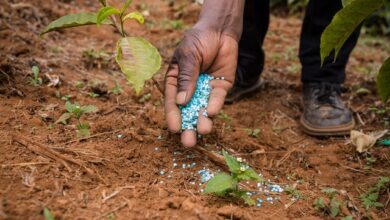
Plants need a consistent supply of nutrients, but more fertilizer is not automatically better. A compost or manure dressing in spring or fall sets the base for the season; after that, only some plants need more. Heavy feeders such as tomatoes can benefit from a mid-season feed as they grow, while many other plants coast on what the soil already holds. Where you do feed, a slow-release fertilizer is the safer choice: it makes nutrients available steadily instead of in one dose the plant cannot use. Remember that nutrient balance matters — too much of one mineral can block the plant from absorbing another — and that over-applied fertilizer burns roots and foliage and washes away into waterways. Spread compost around the plant and let watering carry it down to the roots, and always follow the rate on the product label rather than guessing.
How do you stop pests before they spread?
Catch problems while they are small, because a pest or disease noticed on one plant is a ten-minute job and the same problem across a whole bed is a season-long fight. Walk the garden regularly and look closely — the undersides of leaves are where aphids and caterpillars hide — and prune off infected leaves or stems as soon as you spot them. Healthy, unstressed plants growing in good soil with proper spacing resist pests better in the first place. Then work up a ladder of responses, least drastic first:
- Fix the conditions — clear weeds and debris that shelter insects, and keep beds clean.
- Remove pests by hand — pick off caterpillars, and knock aphids off with a hard stream of water.
- Plant companions — companion planting can discourage pests from settling on the crops they target.
- Escalate only if the infestation persists, acting before it spreads to neighbouring plants, and sterilize pruners between cuts when working on diseased material so you do not carry the disease yourself; bin diseased trimmings rather than composting them.
Tools, storage and keeping your kit in shape
The right tools make every job above faster, and a small, well-kept kit covers nearly all of garden maintenance:
| Tool | Main jobs |
|---|---|
| Pruners and shears | Trimming, deadheading, pruning and shaping work such as topiary |
| Spade and garden fork | Digging, soil preparation and lifting deep-rooted weeds whole |
| Hoe and hand rake | Scraping off seedling weeds and cultivating crusted soil so water soaks in |
| Rake | Clearing leaves and debris and levelling mulch |
| Gloves and knee pads | Protecting hands and knees through every job above |
Tools last for years when they are stored dry, clean and under cover. That is why Metal outdoor sheds have become an indispensable asset for garden storage: they house tools, equipment, fertilizers and other outdoor gear in one organised place, withstand adverse weather for decades, need minimal upkeep compared with wooden structures, resist pests, rot, fire, mould, rust and corrosion, and can be tailored in size and layout to the kit you own. Clean soil off blades before storing, sharpen edges during the quiet winter weeks, and the same kit will serve season after season. Once the practical storage is sorted, the finishing touches are the enjoyable part — see Transform Your Garden with Personalized Garden Signs and Tools for ideas.

Cultivating a garden that thrives
Keeping a garden in shape matters even more than the initial planting, and the two keys to it are observation and consistency: look at your plants closely and often, and do the small jobs on schedule rather than the big jobs in a panic. A professional maintenance service is an option, but doing it yourself is a rewarding routine that pays you back in curb appeal, harvests and time outdoors. If much of your gardening happens around a home-working day, Amazing Gardening Tips for a Work from Home Dad shows how the routine fits around one.
Frequently asked questions
How much time does garden maintenance actually take?
A few minutes most days is enough for a typical home garden. Spending five to ten minutes daily on watering checks, weeding and a quick pest inspection prevents the small jobs from stacking up into weekend-consuming projects.
How deep should mulch be?
Two to four inches is the working range for most beds. Keep the layer a couple of inches away from plant stems to avoid rot, and top it up as it breaks down into the soil.
When is the best time of day to water?
Early morning is best: water soaks in before the heat of the day, evaporation losses are low, and leaves dry quickly, which discourages fungal disease. Late evening is the second choice.
How do I know if my soil needs feeding?
Test it. An inexpensive soil test reports pH and the main nutrients and tells you exactly which amendments are needed, so you feed deficiencies instead of applying fertilizer blindly.
Should fallen leaves be thrown away?
No. Clear them off beds and paths during your weekly tidy, but compost them or let them decompose into leaf mould — a natural mulch that returns nutrients to the soil and helps it hold moisture.