5 Must-Know Agricultural Trends in 2026: From Red Lion Pumps to Smart Turf
Agriculture is constantly changing — shifting climate conditions and fast-moving technology both change how food gets grown. That is why everyone in the industry needs to know what to look out for each year. Global food production has to rise by roughly 70% by 2050 compared with 2005–2007 levels, and the tools below are how farms are responding in 2026. One of them is smart turf. Here are the five trends to be aware of.
1. Red Lion Pumps: a pump matched to every water job
Reliable water movement is the first trend because irrigation, livestock water and drainage all depend on it. Red Lion, a Franklin Electric brand that has made pumping products since 1935, is a useful example of how specialised pumps have become: instead of one pump for everything, its range is organised by the job at hand.
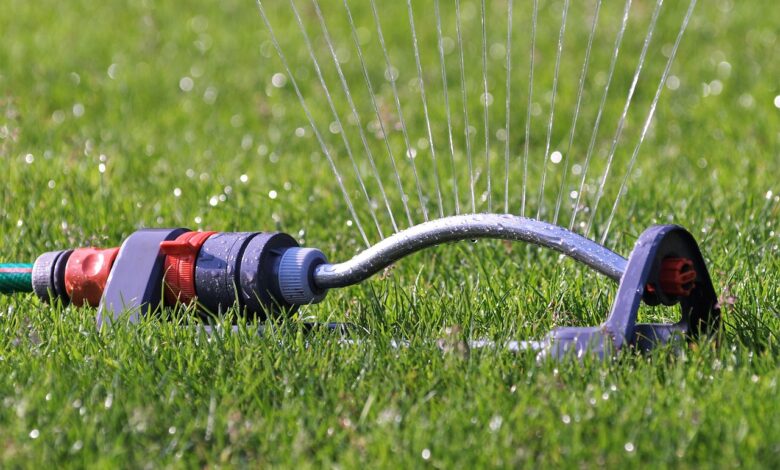
- Lawn & irrigation: sprinkler pumps such as the RL-SPRK series drive residential and commercial turf irrigation, in portable or heavy-duty cast iron form.
- Well pumps: shallow well jet pumps handle suction lifts down to 25 feet; convertible jet pumps cover wells up to 90 feet and suit fluctuating water tables; 4-inch submersible pumps serve wells from 25 feet down to 400 feet.
- Sump pumps: offered in 1/3, 1/2 and 3/4 horsepower ratings for automatic removal of groundwater from basements and low areas.
- Utility and engine-drive pumps: general water transfer — draining tanks and flooded areas, moving water between containers, and septic and effluent work.
The 2026 lesson is matching, not horsepower alone: a pump chosen for the actual depth, volume and water source runs efficiently for years, while a mismatched one wastes energy on every cycle.
| Pump type | Best for | Working range |
|---|---|---|
| Shallow well jet pump | Fresh water for homes, farms and cabins | Suction lifts down to 25 ft |
| Convertible jet pump | Shallow or deep wells, fluctuating water tables | Wells up to 90 ft |
| 4-inch submersible pump | Deep drilled wells | Wells from 25 ft to 400 ft |
| Sump pump | Automatic basement and low-area drainage | 1/3, 1/2 and 3/4 HP ratings |
| Sprinkler / irrigation pump | Zone-controlled lawn and turf irrigation | Surface water or shallow well sources |
2. Smart turf: ground that asks for no water
Smart turf — high-quality artificial turf — earns its place on a farm for a simple reason: it cannot be used for growing crops, but it covers the ground that only has to look good. Farmyards, equipment areas, display lawns and the ground around offices and farm shops can be turfed once and then forgotten, so the water, fuel and labour that natural grass would have consumed all season can go to the crops that actually need them.
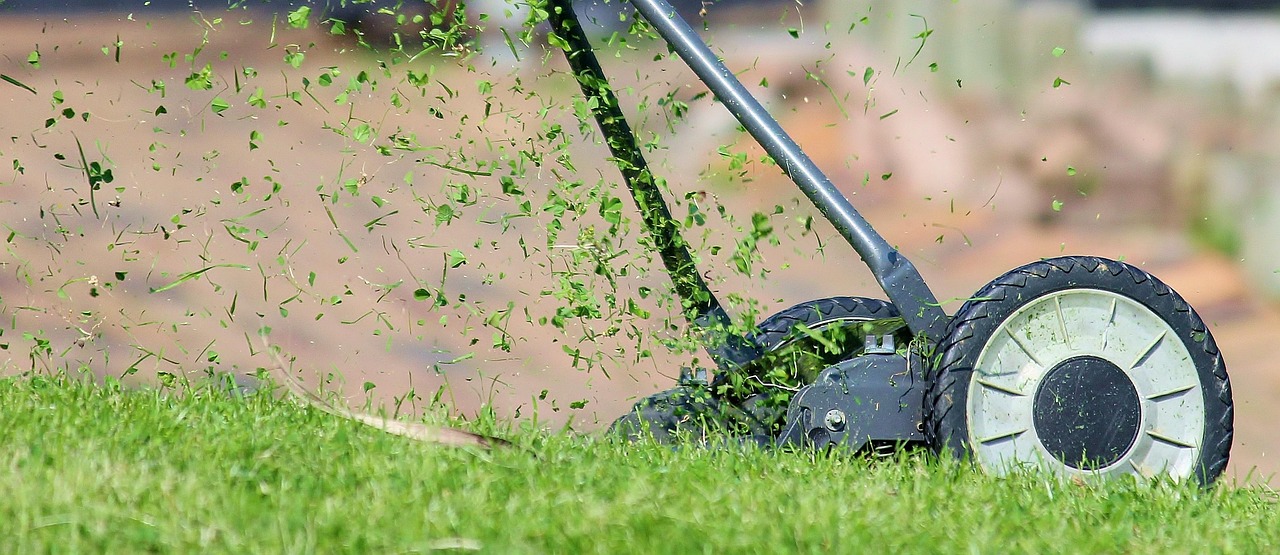
That trade matters more every year. A natural lawn needs regular irrigation exactly when field crops are competing for the same water, plus mowing through the whole growing season. Artificial turf needs neither, stays green in drought and in winter, and never turns to mud under traffic. There are several types, from hard-wearing landscape turf to softer surfaces, and each has its uses — the point is to choose the grade that matches the traffic the area gets. Farms that think this way treat their decorative ground as a one-time installation instead of a season-long cost, which is why turf keeps appearing in farm-efficiency plans alongside the wider move toward smart agriculture.
3. Artificial intelligence moves from advice to action
AI is the trend that ties the others together. In 2026 the industry is shifting from “digital agronomy” — software that advises — to “autonomous agronomy,” where systems perceive conditions in the field, reason about them and act with little human intervention. North America leads adoption with about 36% of the market, and investment is following: robotics and physical-AI companies raised roughly $41 billion in 2025.
The working uses are already concrete. AI forecasts yields from weather, soil and imagery data; runs precision irrigation and variable-rate fertiliser so inputs land only where they are needed; detects pests and disease from camera and sensor feeds early enough to act; monitors livestock biometrically; and offers generative-AI agronomist advice in plain language. Camera-guided sprayers show the payoff in the field: John Deere’s See & Spray system uses boom-mounted cameras and machine learning to spray only the weeds, and users cut their spray solution by nearly two-thirds, saving more than 8 million gallons. Reported AI deployments have delivered yield uplifts of up to 40% and water-use reductions of 30%, and one AI irrigation deployment on Microsoft’s Azure FarmBeats platform cut water use by 30% while raising yield 40% in climate-vulnerable sugarcane regions. The published research points the same way: Raj and Prahadeeswaran (2025, Discover Applied Sciences) report that AI improved yield prediction by about 20% across smart-farming adoption studies.
| AI application | What it does | Reported effect |
|---|---|---|
| Precision irrigation | Waters each zone by measured need, not by rota | Up to 30% less water used |
| Yield forecasting | Combines weather, soil, imagery and history | Yield uplifts of up to 40% reported in deployments |
| Targeted spraying | Cameras spot weeds; only weeds get sprayed | Nearly two-thirds less spray solution (See & Spray users) |
| Drone scouting | Maps pest, disease and stress hotspots | Pesticide use cut by up to 40% with targeted application |
| Overall precision farming | Data analytics across the whole operation | Resource use down 15–25% at equal or better yields |
4. Biotechnical advancements: crops edited for a harsher climate
Biotechnology in 2026 means, above all, CRISPR gene editing: making a precise change to a plant’s own DNA instead of waiting years for conventional cross-breeding to deliver the same trait. Researchers use it to build drought tolerance and disease resistance directly into staple crops, alongside genetic modification, food-additive work and automated tissue culture.
The results are moving from the lab into the field. In rice, enhancing expression of the OsDREB1F gene improved drought resistance and leaf water retention; in soybean, knocking out the GmNAC20 gene produced plants that performed better under drought. The clearest field-validated example is in maize: swapping the promoter of the ARGOS8 gene raised its expression and produced about five extra bushels per acre under drought stress at flowering — with no yield penalty when the crop was irrigated. For a grower in a drought-prone area, that is the shape of the trend: varieties that hold their yield when the rain fails, developed in a fraction of the time older breeding needed.
5. Renewable energy that pays the farm back
Running a farm is expensive, and energy is one of the biggest bills, so the fifth trend is farms generating their own. The flagship approach is agrivoltaics — solar panels and farming sharing the same land. Panels are mounted high enough (at least about 2.1 metres in regulated horizontal systems) for work to continue underneath, sheep graze between the rows at commercial solar parks, and some crops, including leafy greens, root vegetables and certain fruits, actually benefit from partial shade during peak heat.
| Farm energy option | How it works | Extra benefit |
|---|---|---|
| Agrivoltaics | Solar panels mounted about 2.1 m or higher over crops or pasture | Electricity income from the same land; partial shade helps some crops at peak heat |
| Biogas | Manure and crop residues digested to capture methane as fuel | Turns a waste problem into power and heat |
| Solar-powered pumping | Panels drive irrigation and water pumps directly | Cuts the energy cost of every irrigation hour |
| Green hydrogen | Produced from feedstocks such as corn, sugar cane or food waste | A longer-term clean fuel and fertiliser pathway |
Waste becomes fuel, too. Biogas systems turn the methane from cow manure and crop residues into usable energy, farms with a surplus can sell electricity back to the grid, and solar-powered pumping cuts the cost of every irrigation hour. Green hydrogen produced from feedstocks such as corn, sugar cane or food waste is the longer-term play. And the energy story connects back to the rest of this list: growing crops in a controlled environment — the world of vertical farming and aeroponics — only pays when energy is cheap, while blockchain traceability and the wider IoT in agriculture run on the same connected infrastructure. In 2026, automation is becoming the standard on progressive farms, not the exception — and these five trends are where it is arriving first.
Two more forces shaping 2026
Two quieter forces sit behind the five trends above. The first is regenerative agriculture: rebuilding soil health — through cover crops, reduced tillage, diverse rotations and livestock integration — now appears as a named trend in 2026 trend reports in its own right, and it changes what the other trends are for. Pumps, sensors and gene-edited seed all deliver more on living, carbon-rich soil than on depleted ground, so soil health is becoming the foundation the rest of the technology stack stands on.
The second force is money. Farm financing and leasing models decide how fast new technology actually reaches the field: equipment-leasing outlooks for 2026, such as DLL Group’s, show finance being structured around machinery, automation and energy systems so that farms can adopt them without buying outright. Where finance is flexible, the trends above spread quickly; where it is not, even proven technology waits.
Frequently asked questions
What are the biggest agricultural trends in 2026?
The five covered here: specialised water pumps matched to each job (Red Lion Pumps is the example), water-saving smart turf, AI moving from advice to autonomous action, CRISPR gene editing for climate-resilient crops, and on-farm renewable energy such as agrivoltaics and biogas.
How deep a well can a Red Lion pump serve?
It depends on the type. Shallow well jet pumps handle suction lifts down to 25 feet, convertible jet pumps cover wells up to 90 feet, and Red Lion’s 4-inch submersible pumps serve wells from 25 feet down to 400 feet.
Why would a farm install artificial turf?
Not for growing — for the ground that only has to look presentable. Artificial turf needs no irrigation or mowing, so the water and labour it would have consumed can go to productive crop areas instead.
How much can AI actually save a farm?
Reported deployments show water-use reductions of around 30% and yield uplifts of up to 40%. Camera-guided targeted spraying has cut spray solution use by nearly two-thirds, and precision farming overall is credited with 15–25% lower resource use at equal or better yields.
What is agrivoltaics?
Farming and solar power on the same land: panels mounted high enough for crops or grazing to continue underneath. Some crops benefit from the partial shade at peak heat, livestock graze between panel rows, and the farm gains an electricity income alongside its harvest.