Cactus Plant Guide: Types, Care, Benefits and Buying Tips
A cactus plant is one of the easiest ways to bring a little greenery into your life. Cacti survive heat, drought and neglect, and many produce striking flowers or even edible fruit. Whether you want a small plant for your desk or you’re curious how cacti live in the wild, this guide covers what you need to know.
What Is a Cactus Plant?
Cacti belong to the plant family Cactaceae, and almost all of them are native to the Americas. They are succulents, which means they store water in thick, fleshy stems. Instead of leaves, most cacti have spines. These are modified leaves that reduce water loss and protect the plant from animals. Small cushion-like structures called areoles, found on every true cactus, are where spines, flowers and new growth appear.
Cactus Plant in Desert Areas
The cactus plant in desert areas is a master of survival. In dry regions, cacti have developed several adaptations:
- Water storage: Thick stems swell with water after rain and shrink slowly during drought.
- Shallow, wide roots: These spread just under the soil surface to catch even light rainfall quickly.
- Waxy skin: A thick coating seals moisture inside.
- Night-time breathing: Cacti use a process called CAM photosynthesis, opening their pores at night when the air is cooler to lose less water.
- Spines: They protect the plant and cast tiny patches of shade.
These same traits are why cacti are so forgiving, and why they fit so well in xeriscaping and water-efficient landscaping, where plants are chosen to thrive on very little water.
Cactus Plant Names and Types
| Common name | Scientific name | Best for | Size |
|---|---|---|---|
| Moon cactus (pink cactus plant) | Gymnocalycium mihanovichii (grafted) | Desks, gifts | Small |
| Rose cactus (cactus rose plant) | Pereskia grandifolia | Gardens, large pots | Large shrub |
| Barrel cactus | Echinocactus grusonii | Sunny patios | Medium |
| Bunny ears | Opuntia microdasys | Bright windowsills | Medium |
| Christmas cactus | Schlumbergera | Indoor, winter blooms | Medium |
| Old lady cactus | Mammillaria hahniana | Small spaces | Mini |
| Prickly pear | Opuntia ficus-indica | Edible pads and fruit | Large |
| Saguaro | Carnegiea gigantea | Desert landscapes | Very large |
Pink Cactus Plant
The pink cactus plant you often see in shops is usually a moon cactus. The colorful top (pink, red, yellow or orange) is a mutant form with no chlorophyll, so it can’t make its own food. It is grafted onto a green cactus base that feeds it. These plants are small, cheerful and popular as gifts, but the colored top is short-lived, usually a few years. Give them bright, indirect light and water only when the soil is fully dry.
Cactus Rose Plant
The cactus rose plant, more correctly called the rose cactus (Pereskia), is unusual because it has real leaves and rose-like flowers. It is one of the more ancient cactus types and grows into a leafy shrub in warm climates. Don’t confuse it with the desert rose (Adenium), which is a different succulent.
Mini Cactus Plant
A mini cactus plant is perfect for offices, shelves and terrariums. Good small options include old lady cactus, Rebutia, and young moon cacti. Mini cacti dry out faster in tiny pots, so check the soil regularly, but still water sparingly. Tiny cacti also work well as the stars of a miniature garden, paired with small pebbles, figurines and shallow containers.
Larger types like barrel cactus and prickly pear look great among stones and gravel, so if you have space outdoors, take a look at rock gardening for layout and plant ideas.
San Pedro Cactus
The San Pedro cactus, is a fast-growing columnar cactus native to the Andean mountains of South America. Known for its hardiness, it thrives in high-altitude, temperate desert environments and is widely cultivated globally for its ornamental value, large nocturnal blooms, and robust root system. The plant naturally contains mescaline, which is a controlled substance in many countries, so growing it as an ornamental and processing it are treated very differently under the law. For researchers studying traditional desert flora, dried San Pedro cactus powder is frequently utilized as an unmodified botanical reference specimen for taxonomic cataloging and ethnobotanical history.
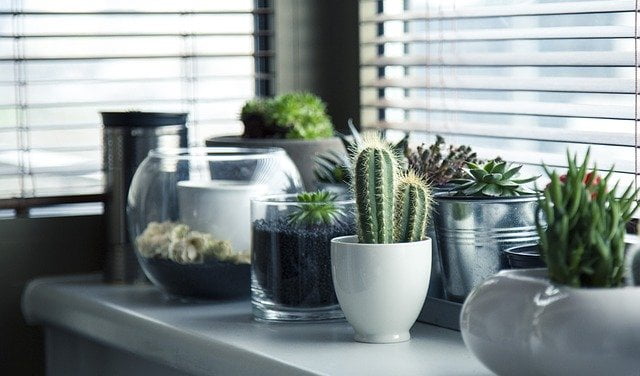
Indoor Cactus Plant: Cactus Plant for Home
An indoor cactus plant is a good fit if you travel often or forget to water. For a cactus plant for home, keep these basics in mind:
- Light: Place it at a south- or west-facing window for about 4 to 6 hours of bright light. A weak, pale or stretched plant needs more light.
- Pot: Choose one with drainage holes. Terracotta helps soil dry out evenly.
- Soil: Use a fast-draining cactus mix, or regular potting soil with plenty of perlite or coarse sand.
- Placement: Keep it away from cold drafts and heaters.
Cactus Plant Care: Simple Steps
Good cactus plant care comes down to doing less, not more.
- Water deeply but rarely. Soak the soil, let it drain, and wait until it is completely dry before watering again. In summer, this may be every 1 to 2 weeks; in winter, once a month or less.
- Avoid overwatering. This is the most common cause of death. A soft, mushy or yellowing stem usually means rot.
- Feed lightly. Use a diluted cactus fertilizer once or twice during the growing season.
- Repot every 2 to 3 years, wearing thick gloves or using folded newspaper to hold the plant.
- Give winter rest. Many cacti bloom better after a cooler, drier winter.
Cactus Plant Benefits
The cactus plant benefits go beyond looks:
- Low maintenance: They tolerate busy schedules and dry indoor air.
- Decor value: Their shapes suit modern, minimalist and desert-style spaces.
- Food source: Some species give edible pads and fruit.
- Water-wise gardening: Cacti suit dry regions and cut down on irrigation.
- Wildlife support: Outdoor cacti provide nectar, shelter and fruit for birds, bees and other animals.
You may hear that cacti purify air or block electronics radiation. There is little solid evidence for either, so enjoy them for what they really offer.
Cactus Plant Fruit
Many people are surprised to learn that the cactus plant fruit can be eaten. The best known is the prickly pear (also called tuna), which has sweet, juicy flesh in red, orange or green. The dragon fruit (pitaya) grows on a climbing cactus. Fruits and young pads (nopales) are eaten in many cuisines. Always remove the tiny, hair-like spines (glochids) carefully, and buy from a reliable source if you’re new to eating cactus.
Cactus Plant Online: How to Buy a Healthy One
Buying a cactus plant online is convenient, but a few checks help you avoid disappointment:
- Look for photos of the actual plant, not only stock images.
- Choose sellers that describe species, size and pot, and pack plants carefully.
- Check reviews for comments on arrival condition.
- Avoid plants with soft spots, brown patches or a wobbly base.
- Confirm that the plant is nursery-grown. Wild-collected cacti are often illegal to trade and harm natural populations.
Cactus Plant Price
Cactus plant price depends on species, size, age and rarity. Common mini cacti and moon cacti are usually cheap, while large, mature or rare specimens can cost much more. Grafted and colorful varieties tend to sit in the middle. Compare a few sellers, and remember that a very low price on an unusual species can be a warning sign. Do know that there are some people
Cactus Plant Real or Fake?
When people search for “cactus plant real,” they usually mean one of two things. First, artificial cacti are common in decor, and a quick touch will tell you: a real one feels firm, cool and slightly waxy. Second, some brightly colored cacti sold in shops are dyed or have plastic flowers glued on. Neon blue or glittery plants are usually painted or decorated. Painted cacti often survive, but the color is temporary and may block light, so choose natural colors when possible.
About Cactus Plant for Kids
If you’re teaching children about the cactus plant, these simple facts work well:
- A cactus is a plant that stores water in its stem.
- Its spines are special leaves that keep animals away.
- Cacti live in hot, dry places like deserts, and some even live in rainforests.
- Some cacti grow tasty fruit, and some bloom beautiful flowers.
- Cacti grow slowly, so patience is part of caring for one.
A mini cactus makes a great first plant for kids. Choose a soft-spined variety and teach them to look but not touch.
Common Cactus Problems
| Problem | Likely cause | Fix |
|---|---|---|
| Soft, mushy base | Overwatering or rot | Stop watering; cut away rot or take a cutting |
| Thin, stretched growth | Not enough light | Move to a brighter spot |
| Brown, corky patches | Natural aging or old damage | Usually harmless |
| Shriveled stem | Underwatering | Water deeply, then resume a schedule |
| White cottony spots | Mealybugs | Dab with rubbing alcohol on a cotton swab |
Frequently Asked Questions
How often should I water a cactus plant?
Only when the soil is completely dry. This is usually every 1 to 2 weeks in summer and about once a month in winter.
Can a cactus plant live indoors?
Yes. Most cacti do well indoors with bright light and well-drained soil.
Why is my pink cactus plant losing color?
The colorful top is a mutation that doesn’t last forever. Strong direct sun or age can fade it.
Is a cactus plant safe for kids and pets?
Many cacti are not poisonous, but spines can injure. Place them out of reach and choose low-spine types.
Does a cactus plant flower?
Yes. Many do, often after a cool winter rest and with enough light.
Is cactus fruit safe to eat?
Prickly pear and dragon fruit are widely eaten. Remove spines and wash well first.
Final Thoughts
From a tiny pink cactus plant on a desk to a tall desert giant, cacti reward you for doing less. Choose a species that matches your light, water it sparingly, and buy from trustworthy sellers. With a little patience, your cactus can live for many years.
Cactus in Urdu