Soil-Borne Pest Management: Underground Threats to Crops
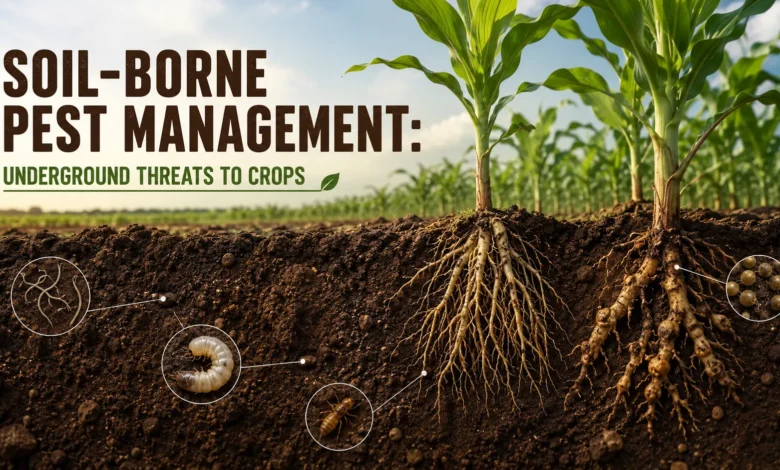
Many crop problems begin below the soil surface, long before visible symptoms appear. Soil-borne pests, especially nematodes, feed on plant roots and can reduce crop vigor and productivity.
Because these pests stay hidden in the soil, infestations often go unnoticed during the early stages. This makes understanding pest life cycles and adopting effective soil management practices an important part of crop protection.
Understanding Soil-Borne Pests
Soil-borne pests are organisms that live and grow in the soil. Plant-parasitic nematodes are an important problem in many vegetable crops. These tiny worms feed on plant roots and disturb normal growth.
Infested plants may show symptoms such as:
- Stunted growth
- Wilting during warm conditions
- Yellowing of leaves
- Poor root development
- Reduced crop vigor and yield potential
Since these symptoms may resemble nutrient deficiencies or water stress, regular field observation and root inspection can help identify problems at an early stage.
Understanding the Pest Lifecycle
The lifecycle of soil-borne pests usually takes place entirely below the ground. Nematodes survive in the soil and move toward plant roots in search of food. They feed, reproduce, and build their populations around the root zone.
Pest populations can increase during the cropping season when weather conditions are favorable. The hidden nature of these pests also makes them difficult to manage after the infestations become severe. Hence, early detection and timely action are typically more effective than treating heavy infestations.
Also check out: Integrated Pest Management (IPM): The Best Methods for Contemporary Farms
Soil Treatment Methods for Better Management
Managing soil-borne pests requires an integrated approach that combines cultural and crop protection practices.
Some useful soil management methods include:
- Using healthy planting material.
- Following crop rotation whenever possible.
- Maintaining proper soil moisture and drainage.
- Removing heavily infested plant residues after harvest.
- Monitoring root health regularly.
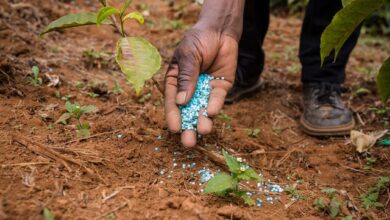
- Applying suitable crop protection products according to recommendations.
Pre-plant and early-season management practices are particularly important because they help reduce pest pressure before populations become difficult to manage.
The Importance of Root Zone Protection
Healthy roots are essential for healthy crops. Since soil-borne pests mainly attack the root system, it is important to protect the root zone for better nutrient uptake and overall plant performance.
An integrated management program focuses on keeping pest populations under control while maintaining favorable conditions for root development. Combining good agronomic practices with suitable crop protection measures may help support sustainable crop production.
How Velum Prime Can Help in Soil-Borne Pest Management
Velum Prime is a nematicide containing Fluopyram 400 SC (34.48% w/w). It is designed for the management of nematodes in tomatoes.
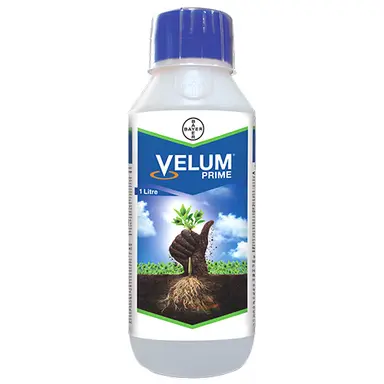
The active ingredient, fluopyram, works by selectively inhibiting an essential part of the nematode’s energy-producing system. This leads to a rapid reduction in cellular energy which causes nematodes to become immobile. Product information indicates that initial effects may appear within about 30 minutes after application.
Velum Prime offers several advantages in soil-borne pest management. It provides fast, effective, and long-lasting control of nematodes. The product is effective at low application rates and offers flexibility in application and crop management. Moreover, Velum Prime is designed to support profitable and sustainable farm management.
For drench applications, recommendations include applying the product around the root zone and using water to help move it into the soil where roots are actively growing.
Conclusion
Soil-borne pests are invisible threats that can significantly affect crop health and productivity if left unmanaged. Understanding their lifecycle, monitoring root health, and adopting effective soil treatment practices are important steps in reducing their impact.
An integrated management approach that combines good agronomic practices and suitable crop protection tools can help protect crops from underground threats. Velum Prime can be one of the options considered as part of this strategy.
Check How Biopesticides Help Restore Soil Health and Reduce Toxic Residues?