Moringa in Urdu / Faide aur Nuqsaan / سوہانجنا کی کاشت
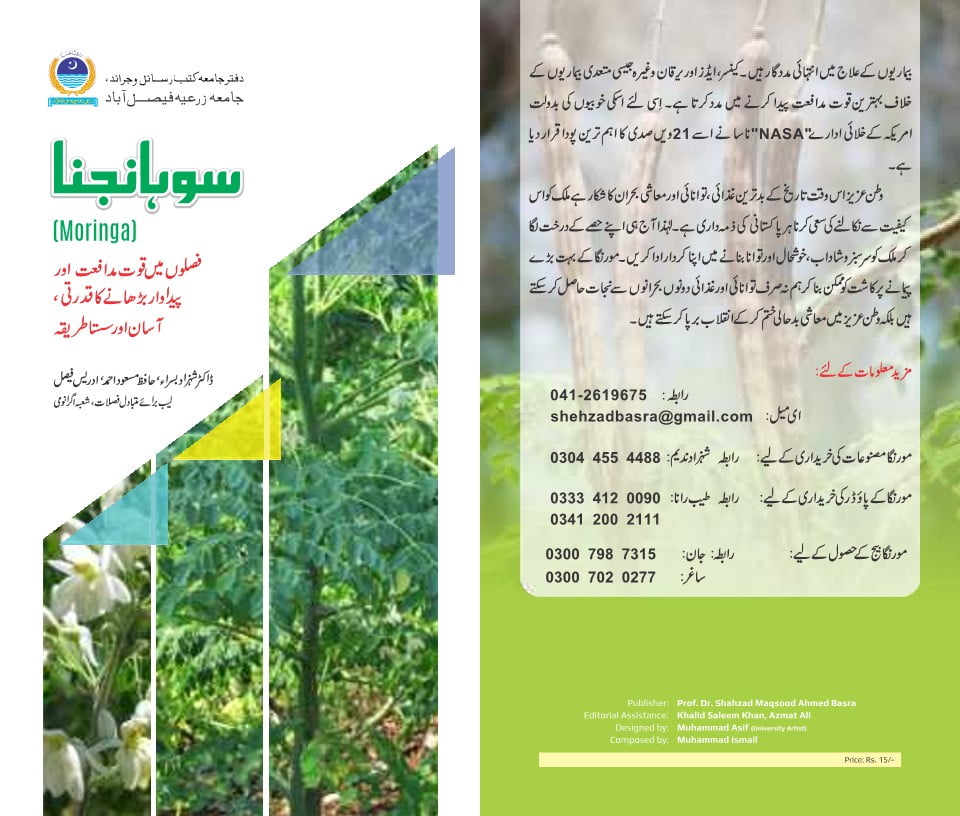


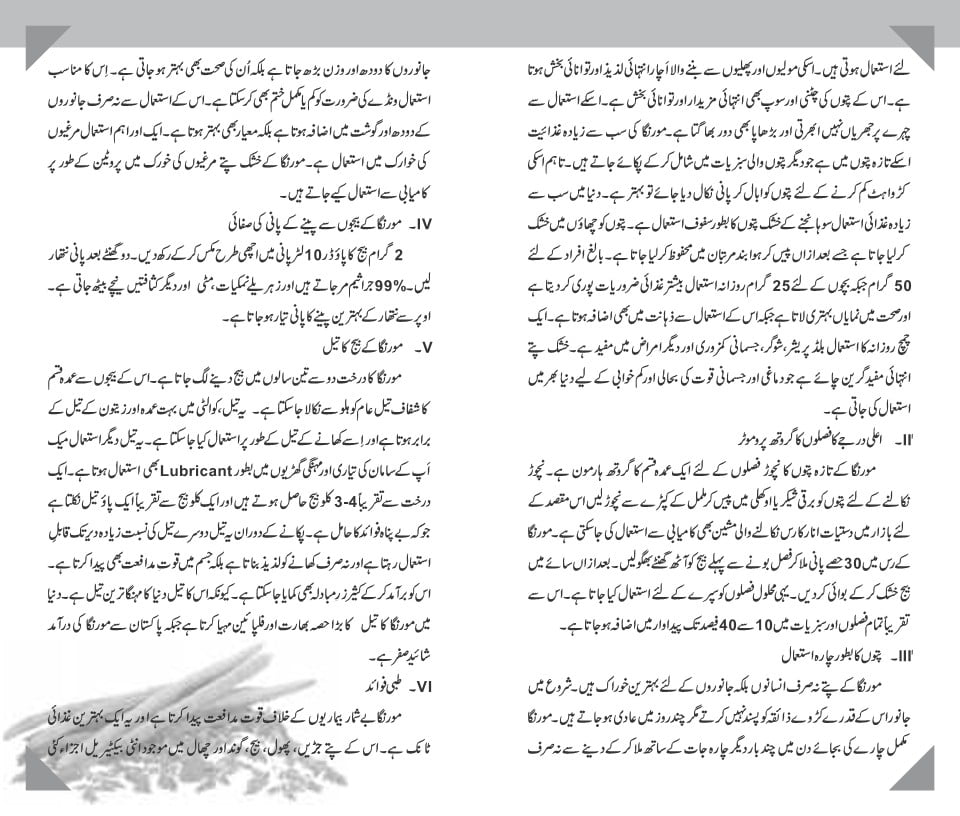
Literature 1: Moringa in Urdu / Sohanjna / سوہانجنا کی کاشت، University of Agriculture Faisalabad
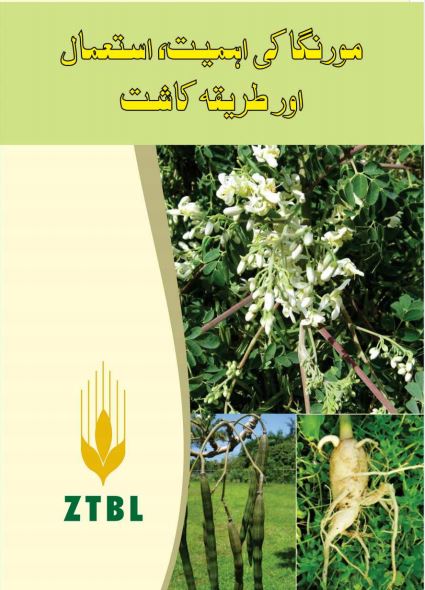
Literature 2: Moringa in Urdu / Sohanjna / سوہانجنا کی کاشت، University of Agriculture Faisalabad & Zarai Taraqiati Bank Ltd. Pakistan
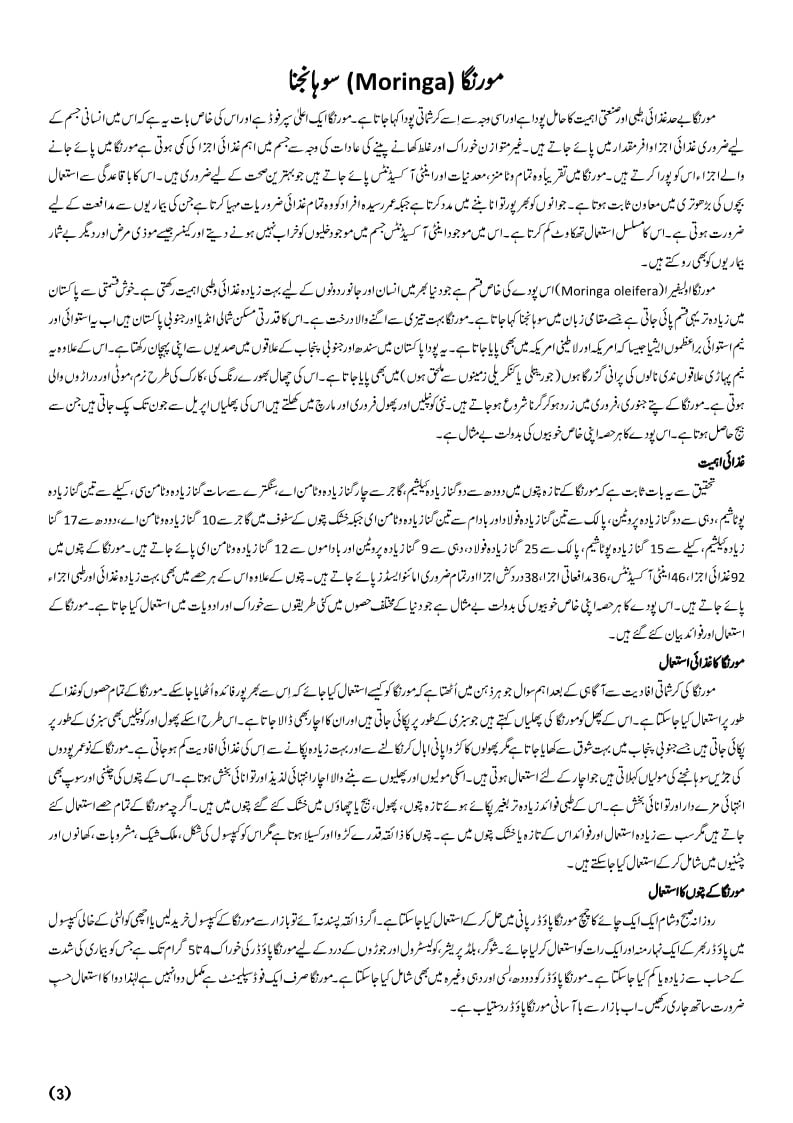
Literature 3: Moringa in Urdu / Sohanjna / سوہانجنا کی کاشت، University of Agriculture, Faisalabad
What is Moringa? English Guide 2026
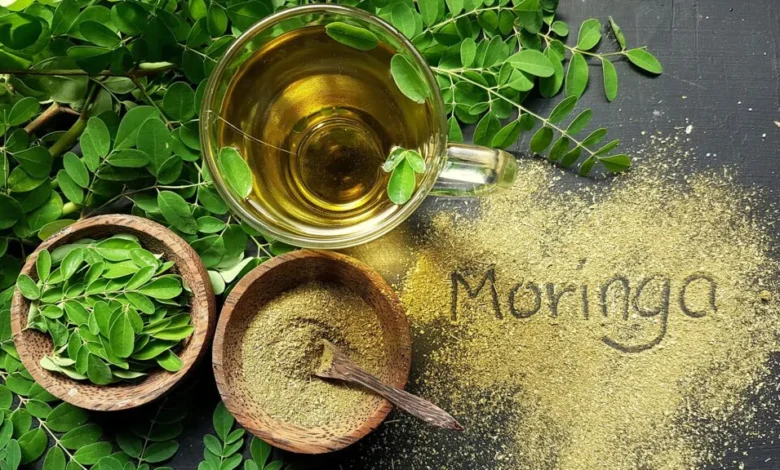
Moringa oleifera — locally known as Sohanjna (سوہانجنا) in Pakistan — is widely regarded as the world’s most nutrient-dense tree. Called the “Miracle Tree” across the globe, every single part of this plant holds immense value: its leaves, pods, seeds, flowers, bark, and roots are all useful for food, medicine, and commercial purposes.
In Pakistan, Moringa grows naturally across Punjab, Sindh, and KPK, yet most farmers still underestimate its extraordinary economic and health potential.
Moringa Varieties in Pakistan (پاکستان میں اقسام)
| Variety | Key Feature |
|---|---|
| PKM-1 | High yield, early fruiting, most popular commercially |
| PKM-2 | Extra-long pods, ideal for export market |
| Desi Sohanjna | Native variety, extremely hardy, drought tolerant |
| Annual Moringa | Grown as a crop, harvested within one season |
💡 PKM-1 is the most recommended variety for commercial farming in Pakistan due to its high pod production and fast growth.
Best Time to Grow Moringa in Pakistan (کاشت کا وقت)
Moringa thrives in warm climates and Pakistan’s weather is ideal for its cultivation. The two best planting windows are:
- Spring Season: February to March
- Monsoon Season: July to August
Avoid planting during winter months as young Moringa plants are highly sensitive to frost, especially in Punjab and KPK regions.
Soil & Land Preparation (زمین کی تیاری)
One of the greatest advantages of Moringa is its adaptability. It can grow in almost any soil type, but for maximum yield follow these guidelines:
- Best soil: Sandy loam with good drainage
- Ideal pH: 6.2 to 7.0
- Avoid: Waterlogged or clay-heavy soils
- Land preparation: Deep plough twice, then level the field properly
- Pit size for trees: 45cm x 45cm x 45cm
Add well-rotted farmyard manure (FYM) at the time of pit filling for best root establishment.
Moringa Planting Method (کاشت کا طریقہ)
Moringa can be propagated through two methods:
1. Seed Method:
- Soak seeds in water for 24 hours before planting
- Sow 2-3 seeds per pit at a depth of 2-3 cm
- Germination occurs within 5 to 12 days
- Thin to one plant per pit after germination
2. Cutting Method (Qalam / قلم):
- Use mature hardwood cuttings of 1 to 1.5 meters
- Plant directly in prepared pits
- Cuttings establish faster and produce pods earlier than seeds
💡 Cutting method is preferred for commercial farmers as it reduces time to first harvest by 2 to 3 months.
Irrigation & Water Management (آبپاشی)
- Moringa is drought tolerant once established but needs regular watering in early stages
- Water every 3 to 4 days for the first month after planting
- Reduce watering to once per week after establishment
- Avoid overwatering — it is the number one cause of Moringa plant death in Pakistan
- Drip irrigation is highly recommended for commercial farms
Fertilizer & Nutrition (کھاد)
| Fertilizer | Quantity per Plant | Timing |
|---|---|---|
| FYM (Farmyard Manure) | 5 to 10 kg | At planting |
| Urea (Nitrogen) | 100g | After 30 days |
| DAP (Phosphorus) | 150g | At planting |
| Potash (SOP) | 100g | After 60 days |
Organic farming of Moringa is gaining popularity in Pakistan as it commands premium export prices.
Health Benefits of Moringa
Moringa is not just a crop — it is a nutritional powerhouse that modern science continues to validate:
- 🌿 7x more Vitamin C than oranges
- 🌿 4x more Calcium than milk
- 🌿 3x more Potassium than bananas
- 🌿 2x more Protein than yogurt
- 🌿 25x more Iron than spinach
Key medicinal uses in Pakistan:
- Controls blood sugar levels in diabetic patients
- Reduces high blood pressure naturally
- Boosts immune system and fights infections
- Improves liver and kidney function
- Used in treating malnutrition especially in children
Side Effects of Moringa
While Moringa is generally safe, be aware of these precautions:
- ⚠️ Pregnant women should strictly avoid Moringa root and bark
- ⚠️ Excessive consumption may cause digestive upset or diarrhea
- ⚠️ Blood pressure patients on medication must consult a doctor before use
- ⚠️ Blood thinners can interact with Moringa — always seek medical advice
Commercial Farming & Income Potential (کمائی)
Moringa is one of the most profitable crops a Pakistani farmer can grow today:
| Product | Market Value |
|---|---|
| Fresh Moringa Pods | Rs. 80 to 150 per kg |
| Moringa Leaf Powder | Rs. 800 to 1,500 per kg |
| Moringa Seeds | Rs. 1,000 to 2,000 per kg |
| Moringa Oil | Rs. 5,000 to 15,000 per liter |
💰 A single acre of Moringa can generate Rs. 3 to 5 lakh per year with proper management — and significantly more if you export or process it into powder or oil.
European, Gulf, and Southeast Asian markets have strong and growing demand for Pakistani Moringa products.
Frequently Asked Questions
February to March or July to August are the best planting months.
From seed: 8 months. From cuttings: 5 to 6 months.
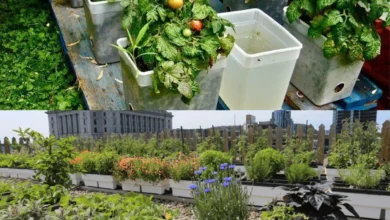
Yes — Moringa grows well in large pots, rooftops, and kitchen gardens.
Absolutely. Moringa leaf powder and oil have strong export demand and can generate excellent returns per acre.
Moringa is called سوہانجنا (Sohanjna) or موریں گا in Urdu and Punjabi.

VERY USEFUL ARTICAL IN NATURAL REMDI USE IN YOUR SUCCESSFUL LIFE