Reliable Farm Machinery Parts for Tillage & Maintenance
Introduction
A productive farm is built on more than good soil and favourable weather. It is built on the steady, often invisible decisions that keep machinery moving, fields workable, and field operations on schedule. Growers, custom operators, and farm managers move between many jobs in a single season — primary tillage, residue management, seedbed preparation, planting, and hauling — and each one depends on equipment that performs the moment the work window opens. In modern agriculture, where margins are tight and weather windows are short, that dependability is what separates a smooth season from a stalled one.
This is why replacement parts are far more than simple repair items. They are part of a larger uptime and productivity strategy. A single worn component can change how a machine tracks, how evenly a field is worked, how cleanly residue is sized, and how safely the operation runs. A well-maintained machine carries a grower through the season with fewer interruptions, while reactive repair tends to arrive at the worst possible moment. The difference usually comes down to whether parts planning happens before the machine starts to struggle.
Why Replacement Parts Are Central to Modern Field Work
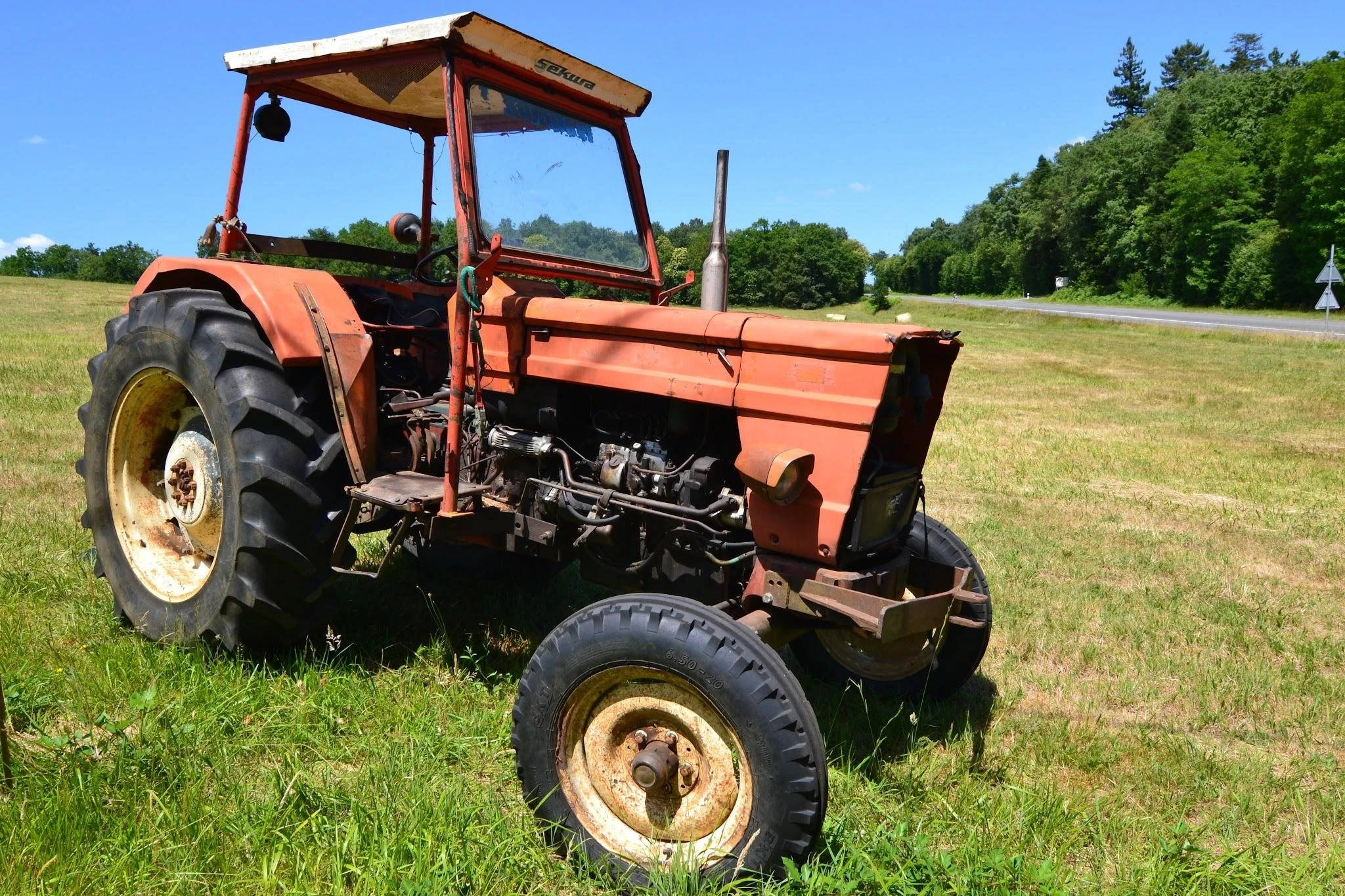
Farm equipment works in some of the harshest conditions of any machinery. Abrasive soil, constant vibration, heavy draft loads, weather exposure, and long hours all wear on the parts that do the real work. Bearings, discs, blades, gangs, hubs, hydraulic components, hoses, and fasteners may look minor next to a full tillage tool or tractor, but they decide whether a pass is clean and efficient or rough and frustrating.
For growers and operators who depend on machines for field preparation, tillage, hauling, and seasonal upkeep, sourcing Landoll replacement parts early can keep equipment ready for demanding work instead of letting small issues grow into costly downtime. The right component restores intended performance, protects the systems around it, and keeps a machine aligned with the job it was engineered to do.
Equipment Uptime Shapes the Whole Operation
A machine that is poorly maintained affects far more than a single task. A modern farm is a connected system of operations, and a breakdown during tillage, planting, or a tight harvest window can ripple across the entire season. A worn part rarely looks dramatic, yet it can slow progress exactly where timing matters most — and lost field days are difficult to recover.
This matters even more as farms lean further into data and automation. Equipment is now expected to work alongside guidance systems, variable-rate tools, and yield monitors, and a machine that is down or out of adjustment undermines the value of that technology. Public investment in precision agriculture technology across Ontario and the rest of Canada shows how closely modern productivity is now tied to well-maintained, accurately performing equipment in the field.
Good Tillage Depends on Well-Maintained Tools
Seedbed quality, residue sizing, and soil structure all depend on tillage tools that are in sound condition. Worn discs, dull blades, loose bearings, and uneven gangs can leave streaks, ridges, and inconsistent depth that show up later as patchy emergence and uneven stands. Equipment used for tillage, leveling, and soil preparation has to be reliable if the finished field is expected to perform.
This creates a direct link between machine condition and agronomic results. A field is judged by what grows in it, but much of that outcome is decided earlier, in the unseen work of preparation. Sound parts, correct settings, and compatible components make that preparation cleaner and far more predictable.
What Tillage Choices Teach Us About Equipment Care
The best operations make tillage decisions deliberately, not out of habit. Primary tillage, vertical tillage, strip-till, and conservation systems each place different demands on a machine and on the soil, and each calls for tools that are set up and maintained for the job. Matching the implement, wear parts, and right tractor to the field is what keeps results consistent across changing conditions.
Choosing the right approach also protects the soil itself. University research on how different tillage implements affect soil structure shows that the implement, the working depth, and the number of passes all influence erosion, residue cover, and long-term soil health. The same lesson applies to maintenance: equipment that is properly fitted and serviced does the intended job in fewer passes, which is better for both the field and the budget.
Compatibility Is the Heart of Parts Selection
Replacement parts should never be chosen casually. A component that looks similar may not hold up under the same load, alignment, or operating conditions. Field equipment depends on the right fit, and poor compatibility can create uneven wear, vibration, tracking problems, safety concerns, and damage to neighbouring systems.
Operators should confirm the model, the part specification, and how the machine is actually used before replacing anything. The same implement faces very different stress depending on whether it is running heavy primary tillage, light finishing passes, or seasonal soil work. A correctly matched part restores dependable performance instead of becoming a new weak point hidden inside fresh packaging.
Maintenance Planning Reduces Seasonal Pressure
The best time to inspect equipment is before the calendar fills up. Spring preparation, in-season passes, and fall fieldwork each place different demands on machines, and operators who wait until a tool is needed often find the problem at the worst moment. A simple, repeatable inspection routine prevents many of those delays.
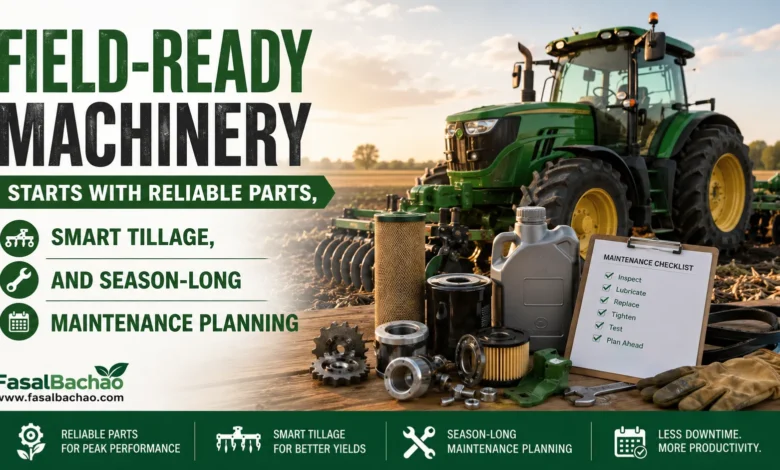
Key checks include bearings, hubs, gangs and discs, hydraulic hoses, hitch and pivot points, fasteners, ground-engaging and cutting components, lubrication points, frame condition, lighting, and guards. A second look after demanding work can catch damage before a machine is parked and forgotten. Equipment can sit quietly through the off-season while small problems steadily worsen out of sight.
Farm Equipment Maintenance Checklist — By Season & Priority
| Component | What to Check | When to Inspect | Priority |
|---|---|---|---|
| Bearings & hubs | Play, heat, noise, grease condition | Pre-season & after heavy use | Critical |
| Discs & blades | Wear, edge sharpness, cracks, dish shape | Pre-season & mid-season | Critical |
| Gangs | Alignment, spacing, free rotation | Pre-season | Critical |
| Hydraulic hoses | Cracks, leaks, fittings, pressure loss | Pre-season & monthly | Critical |
| Ground-engaging parts | Wear depth, shape, point condition | Pre-season & after each field | Critical |
| Hitch & pivot points | Pin wear, bushing condition, free movement | Pre-season | High |
| Fasteners & bolts | Torque, corrosion, missing hardware | Pre-season & after transport | High |
| Lubrication points | Grease levels, blockages, zerk condition | Every 8–10 operating hours | High |
| Frame & toolbar | Cracks, bends, weld integrity | Pre-season & post-season | High |
| Cutting components | Edge wear, chip damage, alignment | After every 2–3 passes | High |
| Lighting & guards | Function, damage, missing covers | Pre-season & before road use | Medium |
| Service log | Part numbers, dates, recurring faults noted | After every repair or service | Medium |
Records Turn Maintenance Into a System
A service log is one of the most useful tools on any farm, and it does not need to be complicated. Recording part numbers, replacement dates, service notes, and recurring issues turns scattered memory into a clear record. Over time, patterns emerge: if a component wears faster than expected or the same fault returns each season, the log points toward a deeper cause.
Good records also make future parts sourcing far easier. Instead of guessing under pressure, an operator can quickly see what was replaced, when, and whether the repair held up. That turns maintenance from memory-based guesswork into a dependable, repeatable system.
Brand Section: H&R Agri-Power
H&R Agri-Power supports farmers, custom operators, and equipment owners who need parts and machinery decisions grounded in real field use. Equipment used for tillage, field preparation, hauling, and seasonal work has to be dependable, because downtime rarely affects just one task. Choosing the right parts takes a clear understanding of machine compatibility, workload, service timing, and the conditions the equipment runs in.
That kind of support matters most when machines sit at the center of seasonal productivity. A knowledgeable parts source helps operators identify suitable components, plan maintenance with more confidence, and reduce the uncertainty that comes with repair decisions. Where land, equipment, and timing are tightly connected, dependable parts and service help keep the whole operation moving.
Conclusion
Reliable Farm Machinery Parts planning is one of the quiet strengths behind a productive operation. Whether the work is tillage, seedbed preparation, hauling, or in-season maintenance, equipment performs best when its components are inspected and replaced with care. Small parts carry outsized responsibility, especially when machines are expected to deliver under pressure and against the clock.
The strongest approach stays steady and practical: understand the machine, respect the workload, choose compatible parts, keep good records, and inspect equipment before the busy season begins. When replacement parts become part of a broader maintenance and uptime plan, growers protect equipment value, improve field results, and keep their operation ready for the work each season demands.