Fenugreek Seeds in Urdu – میتھی دانہ / Complete Methi Cultivation Guide



Source Literature:
Source: Methi – میتھی / Fenugreek seeds in Urdu, Adviati Paudon ki Kasht, Directorate of Agriculture Information, Punjab, Pakistan
Check below for more information on cultivation of fenugreek seeds in urdu
Fenugreek Seeds — Complete Cultivation Guide 2026
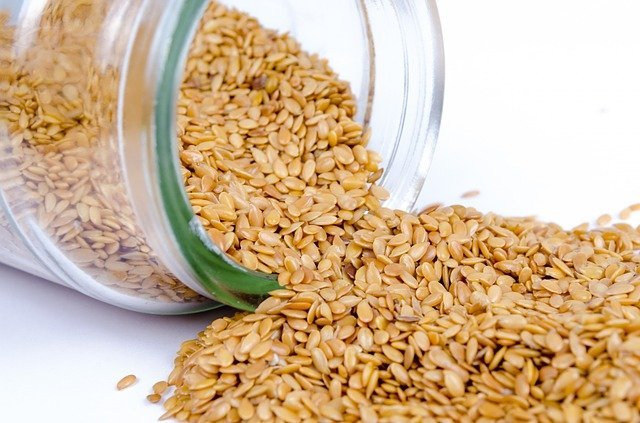
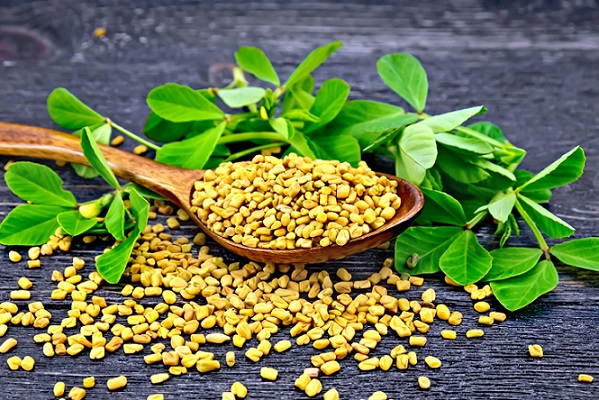
Fenugreek, known as Methi (میتھی) in Urdu and botanically as Trigonella corniculata, is grown across Pakistan both for its green leaves and for its seeds — locally called Methi Dana (میتھی دانہ). The seeds are valued for their high fiber content and are traditionally used to support blood sugar control, digestion, and joint health. As a legume, fenugreek also fixes nitrogen in the soil through root bacteria, which is why crops sown after a fenugreek harvest typically show improved yields.
Best Soil and Climate for Fenugreek Cultivation
Fenugreek grows best in loamy soil with good drainage. Because the seed is very fine, thorough land preparation and a well-leveled field (laser leveling where possible) are essential for even germination. Fenugreek prefers cool, dry weather — hot and humid conditions during the seedling stage can significantly reduce germination. Under favorable conditions, germination rates commonly exceed 90%.
Sowing Time for Fenugreek Seeds
The first week of October is the ideal sowing window for fenugreek in central Punjab. In areas with earlier cold onset — Lahore, Sialkot, Gujranwala, and riverine tracts — sowing can begin as early as late September. Sowing after the first week of October tends to reduce yield and increases the risk of whitefly infestation later in the season.
Seed Rate
- Early (pre-season) sowing: 5–6 kg per acre, since germination rates are lower and more seed is needed to compensate for early-season losses.
- Standard sowing: 3–4 kg of seed per acre
Methods of Fenugreek Seed Sowing
There are three common methods used for planting fenugreek seeds:
- Bed sowing (Kiyari method): Land is leveled into small beds (roughly 1–5 marlas) and seed is broadcast by hand. A higher seed rate is used for early sowing under this method.
- Ridge sowing (Kheliyan method): Finely prepared ridges about 3.5 feet wide are formed, with seed rows planted along both edges. This method is generally preferred — proper spacing between plants makes weed control easier, and yields hold up better even under rain-fed conditions.
- Drill sowing: Seed reserved from the final harvest (sown from March onward) is drilled in rows about one foot apart, typically from November through the end of the sowing window.
Fertilizer Requirement
Depending on soil type, climate, and sowing time, fenugreek typically requires 23–50 kg of nitrogen (N) and 23 kg of phosphorus (P) per acre. One-third of the nitrogen and the full phosphorus dose should be applied at sowing; the remaining nitrogen is applied 35–50 days after sowing, following hoeing and irrigation.
Weed Control
Common weeds found in fenugreek fields include dela, lamb grass, qulfa, choulai, bathu, karund, and wild spinach. A suitable pre-emergence herbicide like Pendimethalin (33%) at the rate of 1 Litre per acre can be applied one month before sowing. Since fenugreek itself is a broadleaf crop, herbicide must be applied before emergence — post-emergence herbicide use directly on fenugreek is not recommended, as it can damage the crop.
Irrigation Schedule
The first irrigation should be given about 15 to 20 days after sowing, once the seedlings have developed strong roots. Follow-up irrigation should continue at 2–3 week intervals to maintain steady growth.
Common Pests
Fenugreek crops — especially those grown for seed — are most vulnerable to whitefly and jassid (leafhopper) attacks, with early sowings facing the highest risk. American bollworm can also occur. Recommended control: Imidacloprid at 200 ml/acre, or a whitefly-targeted insecticide like Acetamiprid at 10 g/acre mixed with a spreading agent. Because pod-boring insects can also damage flowers, any spray during the flowering stage should be applied with caution.
Harvesting and Yield
Fenugreek is typically ready for harvest in early April. Delaying harvest once pods are fully mature risks seed shattering (pods splitting and seeds falling to the ground), so timely cutting is important.
Typical yield: Across four to five cuttings, farmers can expect roughly 200–300 maunds of green fenugreek per acre, plus around 4 maunds of seed per acre from the final cutting. With improved management, green yield can reach 400 maunds and seed yield up to 6 maunds per acre.