Methi Dana (Fenugreek Seeds): Nutrition, Benefits, Uses and Safety

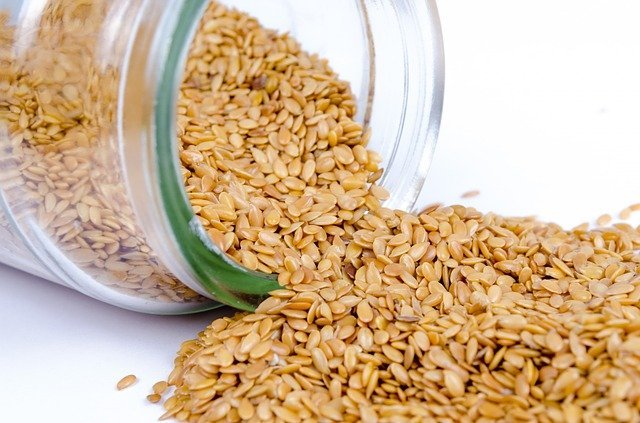
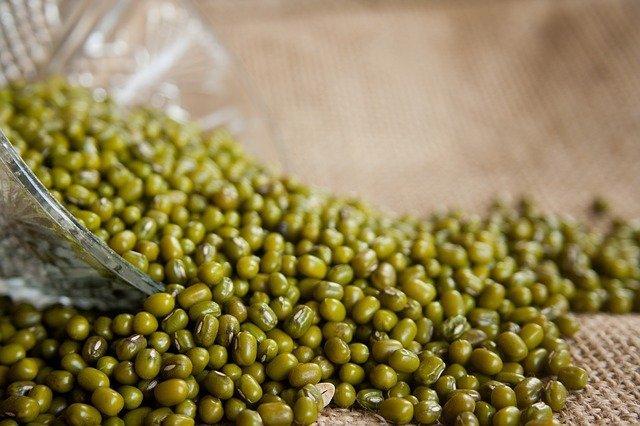
Methi dana is the seed of fenugreek (Trigonella foenum-graecum), a legume grown for centuries across the Mediterranean, the Middle East and South Asia. The small, hard, yellowish seeds are bitter, nutty and faintly sweet-smelling — they carry a maple-syrup-like aroma that has made fenugreek useful both as a spice and, commercially, as a maple flavouring. Methi dana is soaked for methi water, ground into curry powders and pickles, and taken in traditional medicine systems such as Ayurveda and Unani. It also sits in the same medicinal-seed tradition as moringa and halim seeds (garden cress). This guide covers what is in the seeds, what the evidence actually says about their benefits, how to use them in food, who should avoid supplement amounts, and how the plant itself is grown.
What is methi dana?
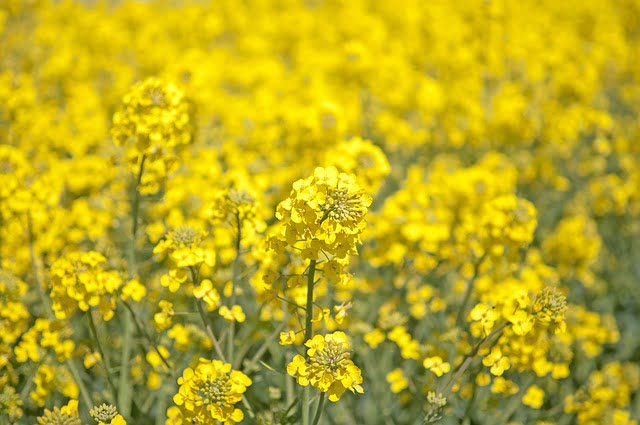
Methi dana is simply fenugreek seed — “methi” is the plant, “dana” the seed. The plant is an erect annual herb: the original Punjabi booklets describe long-stalked leaves, one or two small stalkless whitish flowers in the leaf axils, and slender pods about two to three inches long holding the seeds. The leaves are green and mild; the seeds are yellowish and distinctly bitter. Three different products come from the one plant, and they are often confused. The seeds (methi dana) are the spice and the part used in methi water and most supplements. The fresh leaves are eaten as a vegetable and used in chutneys and salads, while the dried leaves are sold as kasuri methi — a herb, not a seed, and in South Asian trade the name is also attached to the related species Trigonella corniculata. If a recipe or remedy says methi dana, it always means the seeds of T. foenum-graecum.

Methi dana nutrition
For something used a teaspoon at a time, methi dana is unusually rich in fiber — and fiber is the key to most of its studied effects. A tablespoon of whole seeds provides about 35 calories with 2.7 g of fiber and 2.6 g of protein. On a dry-weight basis the seeds run to roughly a quarter protein, and much of their fiber is galactomannan, a soluble gel-forming fiber of the same family as the fiber in mustard seeds and other seed spices. The seeds also supply iron, magnesium, calcium, potassium and manganese. The fresh leaves are a different package — lower in protein but rich in vitamin K.
| Nutrient | Per 1 tbsp seeds (11.1 g) | Per 1 tsp seeds (3.7 g) |
|---|---|---|
| Energy | 35 kcal | 12 kcal |
| Carbohydrates | 6 g | 2 g |
| Fiber | 2.7 g | 0.9 g |
| Protein | 2.6 g | — |
| Fat | 0.7 g | — |
| Also present | Calcium, iron, potassium, manganese and magnesium; the soluble fiber galactomannan makes up much of the seed’s fiber | |
What may methi dana help with?
The honest answer is: possibly several things, proven for none. Fenugreek is one of the most studied traditional remedies, and the pattern across Healthline, Cleveland Clinic and WebMD is consistent — the blood-sugar evidence is the most promising, everything else is preliminary, and no effect matches prescribed medicine. The galactomannan fiber slows carbohydrate absorption, which is the likely mechanism behind the glucose findings; in one study, 5 g of seeds a day reduced fasting glucose. Fenugreek is also traditionally used for heartburn and indigestion, in the same household-remedy role as licorice (mulethi). Treat the table below as a map of the evidence, not as promises.
| Claimed benefit | What the evidence shows |
|---|---|
| Blood sugar | Some evidence it lowers post-meal and fasting glucose. Cleveland Clinic rates this preliminary and stresses it is not as effective as prescribed medicines. |
| Cholesterol | Early evidence for lower LDL cholesterol; evidence for HDL and triglycerides is lacking. |
| Digestion | Long traditional use for heartburn, indigestion and flatulence; formal evidence remains unclear. |
| Appetite control | In one study, 8 g of fenugreek fiber a day increased feelings of fullness. |
| Breast milk | Some small trials suggest increased production, but safety data are thin — see the safety section before using supplements while breastfeeding. |
| Testosterone | Small studies using 500–600 mg extracts report some effect; reviewers rate the evidence unclear. |
How to use methi dana in food
In normal food amounts, methi dana is safe and needs no special caution — the safety warnings further down concern supplement-level doses. The seeds are hard and bitter raw, so they are almost always soaked, roasted, ground or cooked first. The original Punjabi booklets add one use many modern guides miss: methi dana is a special ingredient of traditional pickle (achar), where its bitterness balances the oil and spices. Everyday ways to use it include:
- As a spice: whole seeds tempered in oil at the start of a curry, or ground into curry powders and spice mixes alongside herbs such as niazbo (sweet basil).
- In pickles: a classic achar ingredient in the original booklets, and in ground form in commercial pickle mixes.
- Methi water: soak the seeds overnight and drink the water in the morning — the most common traditional way of taking methi dana daily.
- Fenugreek tea: steep about a tablespoon of seeds in hot water.
- The leaves: fresh methi leaves in salads and chutneys; the dried leaves (kasuri methi) crumbled over dishes as a finishing herb.
- Beyond the kitchen: methi water is also used on hair for dandruff, and fenugreek appears in soaps and cosmetics for skin and hair.
Who should be careful with fenugreek?
Fenugreek has no established supplement dose, supplements are not regulated the way medicines are, and “natural” does not mean risk-free. The common side effects are digestive — diarrhoea, nausea, gas, indigestion and flatulence — plus dizziness, poor appetite and a harmless but noticeable sweet, maple-like body odour. The more serious cautions are about interactions: because fenugreek can lower blood sugar, it can add to the effect of insulin and diabetes medicines and push glucose too low. Work through the table before taking methi dana as a supplement rather than a spice.
| Who should be careful | Why |
|---|---|
| Pregnant women | Avoid more than normal food amounts; medicinal amounts are considered unsafe in pregnancy. |
| People on insulin or diabetes medicines | Fenugreek can lower blood sugar further — risk of hypoglycemia; it is not a substitute for prescribed medicine. |
| People on blood thinners, or before surgery | Supplement use is advised against by Cleveland Clinic in both situations. |
| People allergic to peanuts or chickpeas | Fenugreek is a fellow legume and cross-reactivity is reported; allergy and asthma symptoms are possible. |
| People with liver or kidney disease | Avoid supplements unless a doctor approves. |
| People with hormone-sensitive cancer | Listed among the groups who should avoid fenugreek supplements. |
| Breastfeeding mothers | Despite the traditional galactagogue use, safety is unproven — Cleveland Clinic advises avoiding supplements until more is known. |
How methi (fenugreek) is grown
Methi is a winter (rabi) crop in its home region, and the original booklets behind this post — a Punjab agriculture directorate guide and a farmer’s handbook — describe a simple, hardy plant. Almost every farming household in Punjab, they note, once kept a few small beds of methra for home use. It grows in almost any soil, does best in a fine, level, loamy seedbed ploughed three or four times, and suits cool, dry weather: it tolerates cold and light frost well, but humid late-winter weather harms it, and the booklets put germination above 90 percent. Well-rotted cow-dung manure, about 14–15 cartloads to the acre, is the traditional feeding; the directorate guide instead recommends nitrogen and phosphorus at 25 kg each per acre for a leaf crop.
Sowing runs from September to November; above about 35 °C the seed should not be sown. Seed rates run from 5–6 kg per acre for drill sowing in lines a foot apart — broadcasting is also practised — up to about 10 kg per acre for a seed crop. The crop is hoed twice, given its first irrigation 15–20 days after sowing once the roots are established, and then watered every two to three weeks. Whitefly and root blackening can trouble early crops, and armyworm and American bollworm the seed crop. Harvest comes at the start of April, cut in the morning before over-ripe pods can shatter. A seed crop yields roughly 10–12 maund of seed per acre (a maund is about 40 kg), and a green crop around 250 maund of fodder. As a legume it fixes nitrogen, so the crop after methi usually does better — one reason it has kept its place in small farm rotations.
Frequently asked questions
Can I eat fenugreek seeds every day?
In food amounts, yes — methi dana used as a spice, soaked for methi water or brewed as tea is a daily habit in many households, and food use is considered safe. What has no safety clearance is daily supplement-level dosing: there is no established supplement dose, and the interaction and pregnancy cautions in the safety table apply however “natural” the product is.
What is the best way to consume methi dana?
The gentlest and most traditional way is soaked: methi water made by soaking the seeds overnight softens both the seed and its bitterness. Steeping the seeds as tea works too, and ground seed disappears into curry powders and pickles. Raw dry seeds are the least pleasant option — hard, bitter and the most likely to cause digestive complaints.
What is the best time to eat methi?
No study establishes a best time of day. The common practice follows the preparation: seeds are soaked overnight and the methi water taken in the morning, which is also why so many sources describe fenugreek as a morning habit. Consistency matters more than the clock — pick the form and time you will actually keep up.
What organ is fenugreek good for?
There is no single answer, and any source that gives one is overselling. Traditionally the stomach and digestion come first — the booklets call methi carminative and stomach-strengthening — while modern research concentrates on metabolic health: blood sugar, cholesterol and appetite. Think of it as a digestion-and-metabolism seed rather than an organ remedy.
Is methi dana the same as kasuri methi?
No. Methi dana is the seed of Trigonella foenum-graecum. Kasuri methi is a leaf product — the dried leaves, traded from the related Trigonella corniculata — used as a finishing herb. The fresh leaves are a third product again, eaten as a vegetable. Seed, fresh leaf and dried leaf are not interchangeable in recipes or remedies.
اردو خلاصہ: میتھرا (میتھی دانہ) — کاشت اور فوائد
میتھرا، جسے میتھی دانہ بھی کہتے ہیں، انگریزی میں Fenugreek اور نباتی نام Trigonella foenum-graecum ہے۔ یہ سیدھا، سالانہ پودا ہے جس کے پتے لمبی ڈنڈی والے، پھول چھوٹے اور سفیدی مائل، اور پھلیاں دو سے تین انچ لمبی ہوتی ہیں۔ پتے سبز اور پھیکے، جبکہ بیج زردی مائل اور تلخ ہوتے ہیں۔ یہ موسمِ ربیع کی فصل ہے اور بطور سبزی، چارہ اور دوا استعمال ہوتی ہے۔ اس کے بیج اچار کا خاص جزو ہیں اور مویشیوں اور گھوڑوں کے مصالحوں میں بھی طاقتور جزو کے طور پر ملائے جاتے ہیں۔ اس کی جڑوں میں نائٹروجن پکڑنے والے جراثیم ہوتے ہیں، اس لیے اس کے بعد کاشت کی جانے والی فصل بہتر ہوتی ہے۔

کاشت کے لیے تقریباً ہر قسم کی زمین موزوں ہے، تاہم باریک، ہموار اور تیار شدہ زمین میں اگاؤ بہتر ہوتا ہے؛ زمین تین چار مرتبہ ہل و سہاگہ چلا کر تیار کی جاتی ہے۔ آب و ہوا معتدل، سرد اور خشک بہتر ہے اور یہ سردی و کہر کافی حد تک برداشت کر لیتا ہے۔ کھاد کے طور پر چودہ پندرہ گڈ فی ایکڑ اچھی سڑی گوبر کی کھاد دی جاتی ہے۔ بجائی عام طور پر ستمبر سے نومبر تک ہوتی ہے، شرحِ بیج پانچ چھ کلوگرام فی ایکڑ ہے اور بجائی ایک فٹ کے فاصلے پر لائنوں میں ڈرل سے یا چھٹے سے کی جاتی ہے۔ فصل کی دو دفعہ گوڈی کی جاتی ہے، پہلا پانی پندرہ بیس دن بعد دیا جاتا ہے اور پھر دو تین ہفتوں کے وقفے سے آبپاشی جاری رہتی ہے۔ فصل اپریل کے شروع میں تیار ہو جاتی ہے اور صبح کے وقت کاٹی جاتی ہے۔ پیداوار بیج دس سے بارہ من فی ایکڑ اور چارہ تقریباً 250 من فی ایکڑ حاصل ہوتا ہے۔


روایتی فوائد میں یہ باتیں درج ہیں: طبی لحاظ سے اس کی تاثیر گرم و خشک شمار کی جاتی ہے۔ اس کے پتوں کی پلٹس ظاہری و باطنی ورموں کو تحلیل کرتی ہے، لعاب دار بیجوں کی پلٹس ورموں پر باندھی جاتی ہے اور داغ دھبے مٹانے کے لیے چہرے پر لگائی جاتی ہے۔ بیج پانی میں پیس کر ہفتے میں دو بار سر دھونے سے بال لمبے ہوتے ہیں اور گرنے بند ہو جاتے ہیں۔ کھانے سے دودھ بڑھتا ہے، یہ پیشاب آور ہے، ہوا خارج کرتا ہے اور معدے کو طاقت بخشتا ہے۔ دردِ کمر، پیچش اور اسہال وغیرہ میں بھی مختلف طریقوں سے استعمال کیا جاتا ہے۔