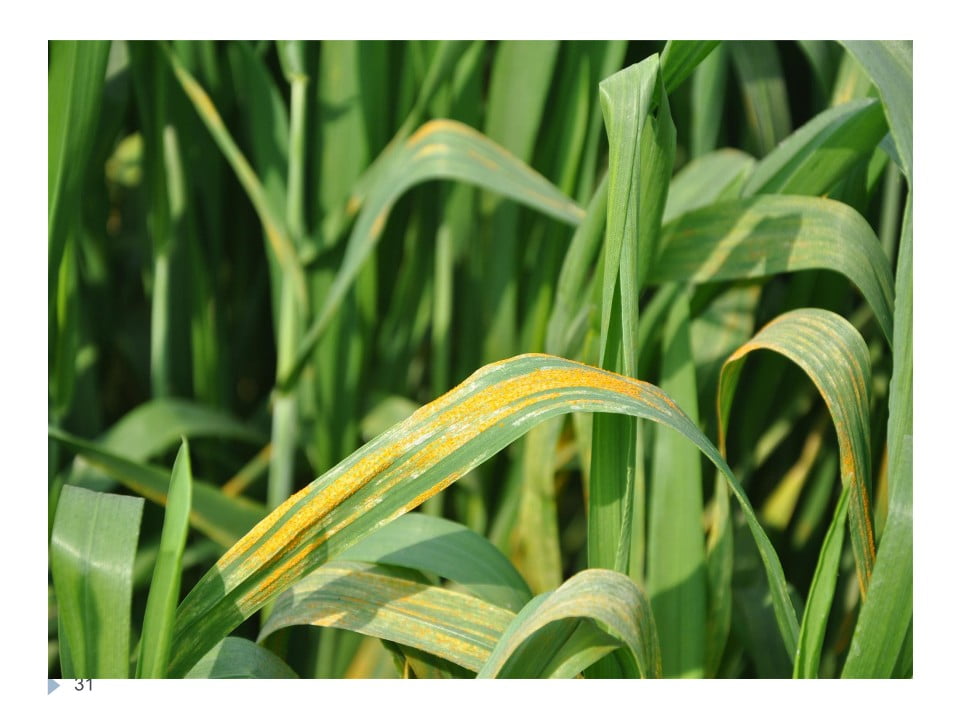
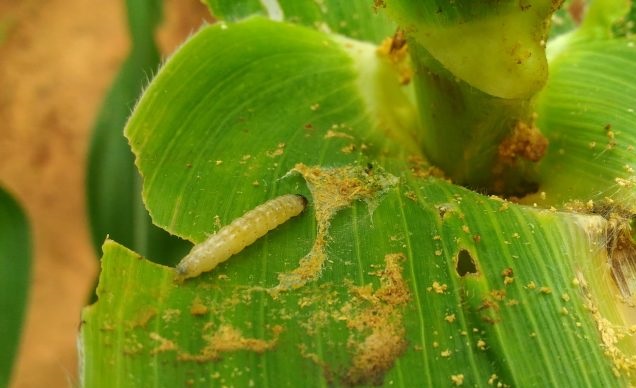
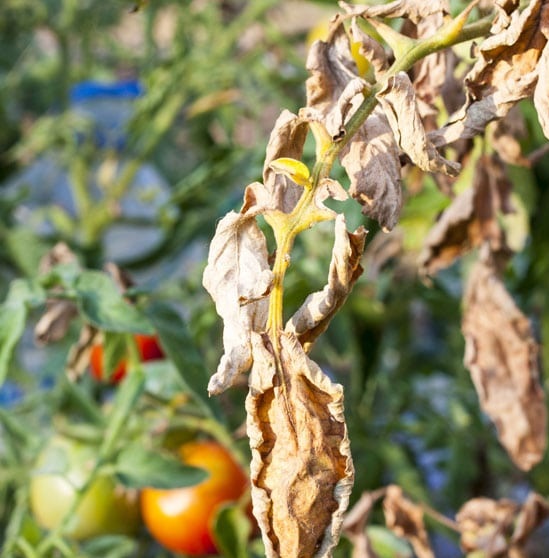
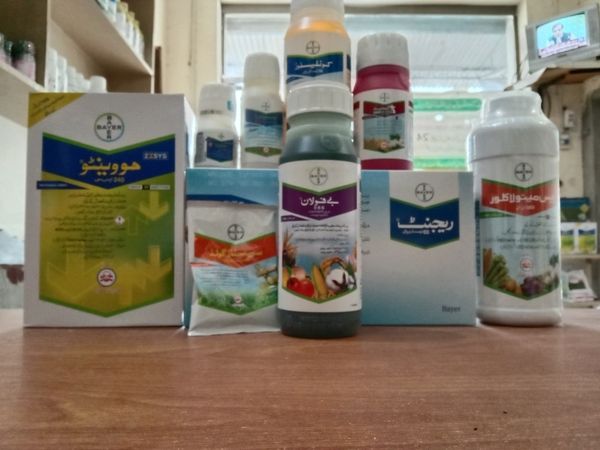
Safety Measures during Spray / سپرے کرتے احتیاطی تدابیر

What are the safety measures for spraying pesticides?
You spray pesticides safely by treating the product label as the rulebook for the whole job — wearing the label-specified PPE, above all for mixing the concentrate, keeping people, animals and water out of the spray’s path, working only in weather that keeps spray on target, and finishing with cleanup, a shower, and staying out of the treated area until the label’s re-entry interval has passed.
The label states how a product may be used, the PPE for each task, first aid, and re-entry, storage and disposal instructions — read it before handling the product, every time. Start with the right product for the pest — one whose label lists that pest — and, where several products qualify, choose the least hazardous of them. Pesticides enter the body by four routes — skin, eyes, lungs and mouth — and skin dominates: more than 97% of pesticide exposure occurs through the skin (Montana State Extension, citing the National Pesticide Applicator Core Manual, 2014). Prepare first aid, spill absorbent, soap, water, spare clothes and emergency numbers beforehand. Spraying also sits inside wider pest and disease control methods in plantations, where chemical control is one step among several. If you feel sick while working, do not finish the job: leave and seek help immediately. Where a pest can be handled without chemicals at all, organic pest control removes the exposure instead of protecting you against it.
The types of pesticide you will be handling
The type of pesticide you are handling matters for safety because how a product is grouped, how it acts and how it is formulated all change what protection its label requires.
The original Urdu literature, transcribed in typed text in the Urdu section below, groups these products by the pest they target:
- Insecticides — against insects.
- Miticides — against mites.
- Nematicides — against nematodes.
- Rodenticides — against rodents.
- Fungicides — against fungal diseases.
- Weedicides (herbicides) — against weeds.
- Fumigants — gas-acting products.
- Seed dressers — applied to seed before sowing.
Those groups act in three ways: stomach poisons are eaten by the pest, contact poisons act through the surface they touch, and gas-acting poisons work as vapour. The same routes endanger the operator — eating, skin contact and inhalation — and a dusty powder, a splashy liquid and a volatile fumigant do not carry the same label PPE. Lower-toxicity options such as biopesticides sit at the gentler end of these groups, though their labels still set the protection required.
The PPE you need for spraying pesticides
You need the PPE the label specifies: as a baseline, long sleeves, long trousers or coveralls, chemical-resistant gloves and boots, and eye protection — the label can require more, never less.
The label prints that scale as a signal word:
| Signal word | Toxicity | Protection required |
|---|---|---|
| CAUTION | Low | Baseline clothing may be enough: long sleeves, long trousers or coveralls |
| WARNING, DANGER or DANGER-POISON | Moderate to high | Chemical-resistant coveralls or suit, chemical-resistant gloves and footwear |
Protection rises with toxicity: CAUTION products may need only baseline clothing, while WARNING, DANGER and DANGER-POISON products require chemical-resistant coveralls or suits, gloves and footwear. Gloves should be unlined, elbow-length and chemical-resistant, about 14 mil thick; leak-check them and discard holed or discoloured pairs — if no material is named, butyl, nitrile or barrier laminate is the default, never latex, lined, leather or cotton. Boots are unlined and chemical-resistant, over the ankle, trousers over them, never canvas or leather. Coveralls stay closed at neck and wrists and come off if wet through. Mixing needs goggles or a face shield, not ordinary glasses; overhead work needs a hood or chemical-resistant hat, not fabric or straw. Wear only the respirator type the label specifies, seal-check it every time, and replace cartridges at once if you smell the chemical. The emphasis changes by task:
| Task | PPE emphasis | Why |
|---|---|---|
| Mixing / loading concentrate | Label PPE plus apron, goggles or face shield, elbow-length gloves, respirator if required | Undiluted product; the highest-exposure task |
| Applying diluted spray | Coveralls or long clothing, chemical-resistant gloves and boots, eye and head protection | Prolonged skin contact with spray and drift |
| Cleaning / repairing equipment | As for mixing: gloves, apron, eye protection | Residues in tanks, hoses and nozzles are concentrated |
| Early entry, only when permitted | Handler-level PPE exactly as the label states | Residues are still active during the REI |
What to do before spraying
Before spraying, put protective clothing and equipment on before you handle the pesticide at all, because mixing and loading the concentrate is the highest-risk part of the whole job.
Mix and load outdoors or in a ventilated, well-lit place away from people, livestock, pets and food or feed, where a spill can be contained and cannot reach a water supply. Do not work alone with highly toxic products: keep visual or voice contact with another person at least every two hours. Open containers carefully (scissors for paper bags, never tearing), keep the container below eye level as you pour, stand so any breeze blows away from you, never siphon by mouth, and keep dedicated, labelled tools for pesticide work only.
Mix only what the job needs, never more than the label rate — extra product raises residue, cost, groundwater and resistance risks without controlling pests better; a spray tank mix calculator helps you work out exactly how much that is. First run the sprayer with clean water at normal pressure and check hoses, connections and pump for leaks: a leaking knapsack can seriously contaminate its operator. People in ill health, especially respiratory or heart disease, should not spray, and neither should anyone with an open wound.
Safety rules while you are spraying
While you are spraying, keep every unprotected person out of the treated area, keep spray on the target and off yourself, and stop the moment conditions turn against you.
Clear the area first, keep children, bystanders and pets away from the spraying, tanks, storage and old containers, and warn people nearby as local rules require. Avoid houses, schools, beehives, water and sensitive crops, and never spray into or across streams or ponds. Never eat, drink, smoke or put anything in your mouth while spraying; wash hands and face before eating, drinking, smoking or using the toilet. Do not work in drift or runoff unless properly protected.
Spray only in a light, steady wind — extension guidance puts the window at about 3–10 mph — and never during a temperature inversion, in strong wind, or when rain is washing the application off; dead-calm air lets fine droplets hang. In hot weather, spray in the cooler parts of the day, because heavy PPE in extreme heat can cause heat exhaustion or heat stroke. Keeping spray on target is a safety step as well as a technique step, and the detailed work of spray techniques and spray machinery calibration belongs to that guide, not this one; where a job can be applied remotely, farming drones for precision spraying remove the operator from the spray cloud altogether. Never clear a blocked nozzle by blowing through it with your mouth — use a soft brush or probe — and turn machinery off before adjusting it.
What to do after spraying
After spraying, clean the equipment and yourself, launder spray clothing separately, and keep everyone out of the treated area until the label’s re-entry interval has passed.
Clean all equipment as soon as the job finishes, inside and out including nozzles, wearing proper PPE. Collect wash water and keep it out of water supplies and streams — never wash a sprayer in a canal, pond or well, but at one designated washing place — and leave no pesticides or containers in the field. Then shower with soap and water, scrub your nails, and change into clean clothes; if pesticide got inside your PPE, wash and change at once.
Launder spray clothing separately after each use: pre-rinse, wash few garments at a time in hot water with heavy-duty detergent and two rinses, line-dry outdoors, then run the empty machine through a hot detergent cycle; wear chemical-resistant gloves to handle the load, and never dry-clean it. The re-entry interval (REI) is the period after application when entry is restricted: printed on the label, it can vary by crop, method or activity, and the longest REI governs when several products were applied together. While the interval runs, mark the treated area with a clear warning sign, so nobody enters it unprotected by mistake. The US EPA gives 12 hours as one product’s worked example, but no universal number exists. Where a label states no restriction, wait until sprays have dried, dusts settled and vapours dispersed — and observe the separate pre-harvest interval.
Storing, transporting and disposing of pesticides
Pesticides should be stored in their original, tightly closed containers in a locked, ventilated store away from food, feed, medicine and living areas, transported secured outside the vehicle cab, and disposed of through rinsing and collection routes — never by burying, burning or pouring away.
Never store a pesticide in an unlabelled container or transfer one into a food or drink container. Carry pesticides secured in the back of a truck, never in the cab, never alongside groceries or feed, never with children riding near them, and never leave them unattended in an open vehicle. Use leftover mix on other target locations at the label dosage rather than dumping it.
Some disposal habits from older farm practice are now retired, and the current rules are the opposite:
- Never bury leftover spray or containers in a pit, and never burn them — FAO/WHO guidance recommends prohibiting burying or burning pesticide waste at the place of use; follow the label and local collection schemes instead.
- Never pour pesticides down a drain, reuse a container for any purpose, or give one to children.
- Do decontaminate empty containers immediately — triple, pressure or integrated pressure rinsing — and use a distributor take-back scheme where one exists; properly rinsed containers count as non-hazardous waste in many countries.
First aid after pesticide exposure
After pesticide exposure, remove the person from the source, decontaminate by the route of exposure — skin, eyes, lungs or mouth — and get medical help as soon as poisoning is suspected, taking the product label with the patient.
Prepare beforehand: read the label and safety data sheet first-aid statements, know where to get medical help, and keep eyewash, water, a first-aid kit and soap at hand, ready to give the product name, active ingredient and registration number. Protect yourself while helping — chemical gloves, and a respirator or wait for responders if the area is hazardous — and keep the victim rested, warm and comfortable.
By route: for skin, remove contaminated clothing and wash skin and hair with water and non-abrasive soap for 15–20 minutes, cleaning under the nails. For eyes, flush gently with clean running water for at least 15 minutes, longer if the label directs, without delaying to remove a contact lens. For inhaled exposure, move the person to fresh air and, if not breathing, start artificial respiration while protecting yourself. For a swallowed pesticide, one piece of older advice must be corrected plainly: do NOT induce vomiting unless medical personnel specifically direct it, and do not follow older instructions to give egg white or milk afterwards; if the person is vomiting, place them in the recovery position, not on their back. Symptoms can progress from irritation, headache and nausea to chest constriction, blurred vision and confusion, and on to inability to breathe and unconsciousness — when in doubt, contact a doctor or poison centre.
The route-by-route actions, summarised:
| Route | First aid |
|---|---|
| Skin | Remove contaminated clothing at once and wash skin and hair with water and non-abrasive soap for 15–20 minutes, cleaning under the nails |
| Eyes | Flush gently with clean running water for at least 15 minutes, longer if the label directs; do not delay flushing to remove a contact lens |
| Lungs (inhaled) | Move the person to fresh air; if they are not breathing, start artificial respiration while protecting yourself |
| Mouth (swallowed) | Do NOT induce vomiting unless medical personnel specifically direct it; if the person is vomiting, place them in the recovery position, not on their back |
سپرے کے دوران احتیاطی تدابیر: خلاصہ
اس حصے میں زرعی ترقیاتی بینک لمیٹڈ، پاکستان کی اصل اردو اشاعت کا تحریری متن نیچے دیا گیا ہے؛ اسی کا خلاصہ اور عام سوالات بھی اسی حصے میں شامل ہیں۔
صفحہ ۱ — سرورق: کیڑے مار ادویات کی درجہ بندی، ان کا استعمال اور احتیاطی تدابیر — زرعی ترقیاتی بینک لمیٹڈ۔
صفحہ ۲ — ادویات کے گروہ: کیڑے مار (Insecticides)، مائیٹ مار (Miticides)، نیماٹوڈ مار (Nematicides)، چوہے مار (Rodenticides)، پھپھوندی مار (Fungicides)، جڑی بوٹی مار (Weedicides)، دھوئیں سے اثر کرنے والی (Fumigants) اور بیج پر لگائی جانے والی ادویات (Seed dressers)۔
صفحہ ۳ — اثر کے طریقے: پیٹ کے ذریعے، جلد کے رابطے سے، اور گیس یا دھوئیں کے ذریعے۔ احتیاط تین مرحلوں میں ہے: استعمال سے پہلے، دورانِ استعمال، اور استعمال کے بعد۔
صفحہ ۴ — استعمال سے پہلے: ناواقف شخص کو زہر کے قریب نہ آنے دیں؛ حفاظتی لباس، دستانے، چشمہ اور بوٹ پہنیں؛ نہ دھلی مشین استعمال نہ کریں؛ ادویات رہائشی کمروں سے دور رکھیں؛ زخمی شخص سپرے نہ کرے۔ دورانِ استعمال: سانس کا آلہ اور حفاظتی لباس پہنیں؛ شدید زہریلی دوا کے لیے دو افراد ہوں؛ کھانا، پینا، سگریٹ ممنوع؛ صبح و شام سپرے کریں؛ تیز ہوا و بارش میں پرہیز کریں۔ استعمال کے بعد: مشین نہر، تالاب یا کنویں میں نہ دھوئیں؛ کپڑے اتار کر صابن سے نہائیں۔
صفحہ ۵ — سپرے شدہ کھیت خالی چھوڑا جائے تو خطرے کی واضح تحریری تختی لگائیں اور کچھ دیر داخلہ بند رکھیں۔
صفحہ ۶ — تصویری ہدایات: سپرے کے دوران سگریٹ نہیں، پینا نہیں، کھانا نہیں، ہاتھ منہ کی طرف نہیں۔
حفاظت کا اصول سادہ ہے: ہر کام سے پہلے لیبل پڑھیں، کیونکہ لیبل ہی حفاظتی سامان، ابتدائی طبی امداد، دوبارہ داخلے کی مدت اور ذخیرہ و تلفی بتاتا ہے۔ سب سے خطرناک مرحلہ مرتکز دوا ملانا ہے، اس لیے دستانے، چشمہ اور ایپرن دوا کو ہاتھ لگانے سے پہلے پہنیں۔ سپرے صرف ہلکی، مستحکم ہوا میں کریں؛ بچوں، راہگیروں اور جانوروں کو دور رکھیں۔ کام کے بعد مشین اور خود کو دھوئیں، کپڑے الگ دھوئیں، اور دوبارہ داخلے کی مدت سے پہلے کھیت میں داخل نہ ہوں۔ بچا ہوا سپرے گڑھے میں ڈالنا یا جلانا درست نہیں؛ اسے لیبل کی مقدار کے مطابق ہدف پر استعمال کریں۔
ادویات ملاتے وقت کون سا حفاظتی سامان پہننا چاہیے؟
ادویات ملاتے وقت سب سے زیادہ حفاظتی سامان درکار ہوتا ہے، کیونکہ دوا مرتکز ہوتی ہے۔ کیمیائی مزاحم لمبے دستانے، چشمہ یا چہرے کا شیلڈ، ایپرن اور جوتے پہنیں، اور لیبل کہے تو تنفسی آلہ بھی لگائیں۔ سامان دوا کھولنے سے پہلے پہن لیں۔
سپرے کے بعد کھیت میں دوبارہ کب داخل ہونا چاہیے؟
کھیت میں اسی وقت داخل ہوں جب لیبل پر درج دوبارہ داخلے کی مدت گزر جائے۔ یہ مدت ہر دوا کے لیے ایک جیسی نہیں ہوتی؛ کئی ادویات ایک ساتھ ہوں تو سب سے لمبی مدت لاگو ہوتی ہے۔ لیبل پر مدت درج نہ ہو تو سپرے خشک ہونے، گرد بیٹھنے اور بخارات ختم ہونے تک انتظار کریں۔
آنکھ میں دوا چلی جائے تو کیا کرنا چاہیے؟
آنکھ کو صاف بہتے پانی سے کم از کم ۱۵ منٹ تک آہستہ دھوئیں اور طبی مدد حاصل کریں۔ کانٹیکٹ لینز اتارنے کے لیے دھونا ملتوی نہ کریں؛ لیبل پر زیادہ دیر کی ہدایت ہو تو اسی پر عمل کریں۔ دوا کا لیبل ساتھ لے کر ڈاکٹر یا اسپتال جائیں۔
دوا نگل لی جائے تو کیا الٹی کروانی چاہیے؟
نہیں، الٹی ہرگز نہ کروائیں جب تک طبی عملہ خود ہدایت نہ کرے۔ الٹی کروانے اور انڈے کی سفیدی یا دودھ پلانے کی پرانی ہدایت اب درست نہیں۔ مریض کو پرسکون اور گرم رکھ کر فوراً ڈاکٹر، اسپتال یا زہر مرکز سے رابطہ کریں اور لیبل ساتھ لے جائیں۔ خود الٹی آ رہی ہو تو مریض کو کروٹ کے بل لٹائیں۔
خالی ڈبے اور بچا ہوا سپرے کیسے تلف کرنا چاہیے؟
خالی ڈبوں کو فوراً تین بار دھو کر، جہاں واپسی یا جمع کرنے کا نظام ہو، وہیں جمع کروائیں۔ ڈبہ کسی اور کام میں استعمال نہ کریں، بچوں کو نہ دیں، اور ڈبہ یا بچا ہوا سپرے گڑھے میں دفن کرنا یا جلانا درست نہیں۔ بچا ہوا مکس لیبل کی مقدار کے مطابق ہدف پر استعمال کریں، نالے میں نہ بہائیں۔
Frequently asked questions about safety measures during spraying
Most spraying-safety searches come down to six recurring questions: mixing PPE, re-entry, wind, eyes, swallowing and empty containers.
What PPE is required for mixing pesticides?
Mixing pesticides requires the most PPE of any spraying task, because you are handling the product undiluted. Wear the label’s PPE plus a chemical-resistant apron, goggles or a face shield and elbow-length gloves, with a respirator if the label requires one. Put it all on before opening the container.
How long should you stay out of a field after spraying?
You should stay out of a treated field until the re-entry interval printed on the label has passed. There is no universal number: an REI can vary by crop, method or activity, and when several products were applied together the longest REI governs. If the label states no restriction, wait until sprays have dried, dusts settled and vapours dispersed.
Can you spray pesticides on a windy day?
You can spray pesticides only in a light, steady wind — extension guidance puts the window at about 3–10 mph. Do not spray in strong wind, during a temperature inversion, or in dead-calm air when fine droplets hang and drift later. Rain washing the application off is also a stop signal, and the label’s conditions govern where they differ.
What should you do if pesticide gets in your eyes?
If pesticide gets in your eyes, flush them immediately and gently with clean running water for at least 15 minutes and get medical help. Do not delay flushing to remove a contact lens, and flush longer if the label directs it. Take the container or label with you.
Should you make someone vomit after swallowing a pesticide?
No — you should not make someone vomit after swallowing a pesticide unless medical personnel specifically direct it. Older advice to induce vomiting and then give egg white or milk is outdated and must not be followed. Keep the person rested, warm and comfortable, get medical help at once, and if they are vomiting, place them in the recovery position, not on their back.
How do you dispose of empty pesticide containers?
You dispose of empty pesticide containers by decontaminating them immediately — triple, pressure or integrated pressure rinsing — and sending them through a distributor take-back scheme where one exists. Never reuse a container, give one to children, burn containers, or pour pesticide down a drain; properly rinsed containers count as non-hazardous waste in many countries.