Straw Flowers | گلِ کاغذی – Complete Guide to Growing in Your Garden 2026


Literature on Straw Flowers – گلِ کاغذی
Straw Flowers — Helichrysum bracteatum (Xerochrysum bracteatum)
Also known as: Everlasting Flower, Paper Daisy, Golden Everlasting, Immortelle
Straw flowers are propagated from seed sown between October and November — making autumn the primary and most reliable sowing window for this beautiful everlasting flower worldwide.
Blooming Period and Growth Habit
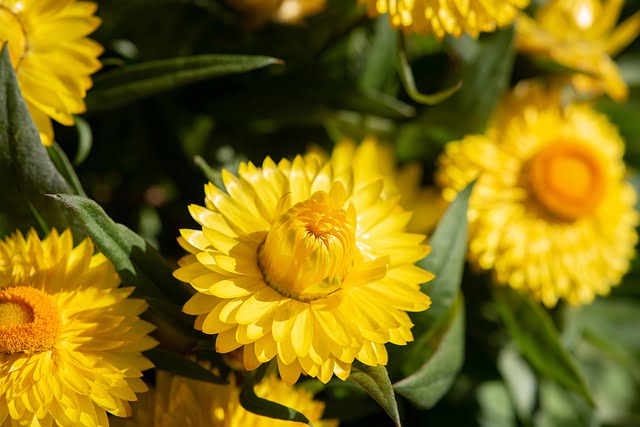
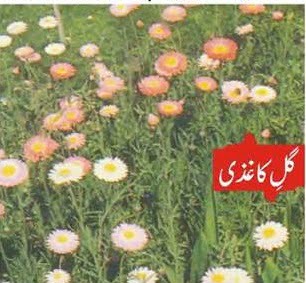
Straw flowers bloom from April through mid-summer — producing cheerful daisy-like flowers in a wide range of colors including yellow, white, pink, orange, red, and deep crimson. The plant produces tall two-foot stems bearing flowers that closely resemble old-fashioned paper marigolds in both appearance and distinctive papery texture.
One of the most remarkable qualities of straw flowers is their dual value — both fresh and dried flowers can be used in floral arrangements. Dried straw flowers maintain their vivid color and crisp papery form for several months after cutting — making them one of the most commercially valuable plants for the dried flower arrangement industry worldwide.
Seed Sowing Guide
| Sowing Method | Timing | Key Notes |
|---|---|---|
| Direct outdoor sowing | October – November | Most common — easiest reliable method |
| Indoor seed starting | 6–8 weeks before last frost | Gives earlier flowering in cold climates |
| Surface sowing technique | Press seeds onto soil surface | Seeds need light to germinate — never cover deeply |
| Germination temperature | 18–21°C (65–70°F) | Keep soil consistently moist but never waterlogged |
| Germination time | 7–14 days | Thin seedlings to one foot apart after germination |
Optimal Growing Conditions
For best flowering performance straw flowers require:
- Full sun — minimum 6 to 8 hours of direct sunlight daily
- Well-drained soil — waterlogging causes rapid root rot and plant death
- Sandy or loamy soil texture — poor to moderately fertile soil actually produces better and more abundant flowering than overly rich soil
- Good air circulation — essential for reducing fungal disease risk particularly in humid climates
Straw flowers perform significantly better when planted directly in the ground rather than in containers. Plant in long rows with one foot spacing between plants for optimal air circulation, disease prevention, and flower production.
The Paper Flower Effect — What Makes Straw Flowers Unique
The distinctive “petals” of straw flowers are not actually petals at all — they are modified leaves called bracts that have a naturally dry papery texture even while the plant is still actively growing and flowering. This unique biological characteristic is precisely what makes straw flowers so extraordinarily valuable for dried flower arrangements. Unlike virtually all other cut flowers that wilt, shrink, and lose color when dried, straw flower bracts retain their vivid original color and crisp papery form for months or even years after cutting and drying.
Harvesting Straw Flowers for Dried Arrangements
| Harvest Factor | Details |
|---|---|
| Best stage to cut | When flowers are half to three-quarters open — never wait for fully open |
| Why not fully open | Fully open flowers shatter and lose bracts during the drying process |
| How to cut | Cut stems as long as possible — minimum 30cm for arrangement use |
| Drying method | Remove lower leaves, bundle 8–10 stems, hang upside down in warm dry airy location |
| Drying time | 2 to 3 weeks in warm dry conditions with good air movement |
| Storage | Store dried bunches away from humidity and direct sunlight |
| Vase life when dried | Several months to years if kept in dry conditions |
Watering Guide
Straw flowers are remarkably drought tolerant once established — reflecting their natural origin in dry Australian conditions. Overwatering is the single most common cause of straw flower failure in home gardens worldwide.
| Growth Stage | Watering Frequency | Amount |
|---|---|---|
| Germination | Keep consistently moist | Light — never waterlogged |
| Seedling stage | Every 2–3 days | Moderate |
| Established plant | Once per week | Deep but infrequent |
| Dry/hot weather | Every 4–5 days | Deep watering preferred |
| Wet/cool weather | Reduce significantly | Allow soil to dry between waterings |
Fertilizing Straw Flowers
| Fertilizer Type | Timing | Rate | Notes |
|---|---|---|---|
| Balanced granular (low N) | At planting | Standard rate | Avoid high nitrogen — causes leafy growth |
| Phosphorus-rich fertilizer | At planting | Standard rate | Encourages strong root and flower development |
| Liquid fertilizer | Monthly during flowering | Half strength | Extends flowering season |
| Avoid | High nitrogen feeds | — | Produces large plants with very few flowers |
Companion Planting Value
Straw flowers attract beneficial insects — particularly bees, butterflies, and hoverflies — throughout their long flowering season. The open flower structure makes nectar easily accessible to a wide range of pollinators. Planting straw flowers alongside vegetable beds improves pollination rates for fruiting vegetables including tomatoes, cucumbers, squash, and peppers — directly increasing crop yields.
Commercial Growing Potential
Straw flowers have genuine and growing commercial potential for small-scale farmers, market gardeners, and home producers worldwide:
| Market | Product | Value |
|---|---|---|
| Fresh cut flower markets | Bunches of fresh blooms | Moderate — short vase life fresh |
| Dried flower industry | Dried bunches and individual stems | High — long shelf life |
| Wedding and event floristry | Dried arrangements and bouquets | Very high — premium pricing |
| Craft and hobby market | Dried stems for wreaths and crafts | High — growing worldwide demand |
| Seed production | Self-saved seed for resale | Moderate — prolific seed producer |
| Potpourri industry | Dried petals and flowers | Moderate |
Best Varieties for Different Purposes
| Variety | Height | Color Range | Best Use |
|---|---|---|---|
| Tall Mixed | 60–90cm | Full color range | Cut flower and dried production |
| Dwarf Mixed | 30–40cm | Full color range | Bedding, borders and containers |
| King Size Mixture | 90cm+ | Large blooms | Commercial and exhibition |
| Golden Beauty | 60cm | Rich golden yellow | Dried arrangements |
| Silvery Rose | 60cm | Soft pink and white | Wedding and event floristry |
| Bright Bikini Mix | 30cm | Vivid mixed colors | Small garden beds and pots |
| Cockatoo | 90cm | Yellow | Commercial dried flower production |
Common Problems and Solutions
| Problem | Cause | Solution |
|---|---|---|
| Poor or no flowering | Too much shade or overly rich soil | Move to full sun position, avoid heavy fertilizing |
| Root rot and wilting | Waterlogged or poorly drained soil | Improve drainage immediately, reduce irrigation |
| Powdery mildew | Poor air circulation, high humidity | Space plants adequately, apply sulphur fungicide |
| Aphid infestation | Soft new growth — common in spring | Apply insecticidal soap spray or neem oil |
| Leggy weak stems | Insufficient sunlight | Relocate to full sun position |
| Flower drop | Harvested too late when fully open | Cut at half to three-quarter open stage |
Winter Management by Climate Zone
| Climate | Winter Treatment | Notes |
|---|---|---|
| Tropical and subtropical | Grow as perennial year-round | May need cutting back after flowering |
| Temperate (mild winters) | Treat as half-hardy annual | Resows naturally in many gardens |
| Cold temperate | Treat as annual — resow each autumn | Save seeds before first frost |
| Mediterranean | Excellent performance — natural climate match | May naturalize and self-seed freely |
“Explore our complete collection of flowering plant guides covering ornamental and garden flowers for growers worldwide.”